















Compare Car Insurance Quotes

  • Compare 130+ providers
  • 97% of reviewers recommend
  • Save up to £518*
  • Reviews.io Review Star
GB

Don’t have your registration number? No problem, click here.

Retrieve Quotes
Car Insurance banner image

Tip: Use our car registration checker to see which insurers offer the best rates in your area.

   Car insurance £518* T&C's apply

We compare car insurance quotes from 130+ companies...

Wide variety of insurance options available to help you find a suitable policy

Happy Customers

We've served thousands of policies to
thousands of happy customers.

Price Comparison Market

10+ years experience in
the Price Comparison Market.

Car Insurance Companies

We'll display quotes from
130+ car insurance companies.

What Information Do You Need to Compare Car Insurance Quotes?

To compare car insurance quotes and find cheaper cover, you will need to provide some basic details. Having this information ready will help you get accurate quotes from insurers and complete the comparison quickly.

Your Vehicle Details

Enter your vehicle registration number so insurers can identify your car. The price of your car insurance quote will depend on factors such as the make and model, fuel type, engine size, and how many miles you drive each year.

Your Driving and Claims History

Insurers will ask about your driving history and whether you have made any claims in the last five years. Your claims record and any no claims bonus can affect the cost of your car insurance premium.

Your Personal Details

Insurance providers will also need your personal information, including your age, occupation, licence type and address. These details help insurers assess risk and calculate the price of your policy.

Other Drivers on the Policy

If you plan to add a named driver, you will need to provide their personal details and driving history. Adding an experienced driver can sometimes help lower the overall cost of your insurance.

Type of Car Insurance Cover

Your quote will also depend on the level of cover you choose:

  • Fully comprehensive
  • Third party, fire and theft
  • Third party only

You may also choose optional extras such as windscreen cover, legal protection or personal accident cover.

Voluntary Excess

Choosing a higher voluntary excess can reduce your car insurance premium. However, if you need to make a claim, you will need to pay both the voluntary and compulsory excess. Always select an amount that you can afford to pay if necessary.

Providing accurate information is essential when you compare car insurance quotes. Incorrect details could invalidate your policy or affect the price you are quoted.

Once you have these details ready, you can quickly compare car insurance quotes and find the policy that suits your needs.

Why Do You Need Car Insurance in the UK?

In the United Kingdom, it is a legal requirement to have car insurance if you drive on public roads. A valid car insurance policy helps protect you, other drivers, and any vehicles or property involved in an accident. Without insurance, drivers can face fines, penalty points, and the possibility of their vehicle being seized.

Car insurance also provides financial protection if something goes wrong while driving. Depending on the level of cover you choose, your policy may help pay for damage to other vehicles, repairs to your own car, or compensation for injuries following an accident.

Some insurers may also offer lower premiums if you install a dash cam. A dash cam records footage while you drive, which can help provide evidence if you need to make a claim. This can help protect your driving record and, in some cases, reduce the cost of your car insurance.

How Car Insurance Comparison Works

Comparing car insurance quotes allows you to review prices from multiple insurers in one place. Instead of contacting providers individually, you can enter your details once and receive quotes tailored to your vehicle and driving history.

The comparison process usually works in three simple steps.

1. Enter your details

Start by entering your vehicle registration and some basic personal details. Insurers use this information to calculate accurate quotes based on your car, location and driving history.

2. Compare quotes from insurers

Once your details are submitted, you can view quotes from multiple car insurance providers. This allows you to compare prices, levels of cover and optional extras.

3. Choose the policy that suits you

After reviewing the available options, you can select the policy that best fits your needs and budget.

Tip: Always check the policy details carefully, including the level of cover, voluntary excess and any optional extras before purchasing a policy.

What Is a No Claims Bonus

What Is a No Claims Bonus?

A no claims bonus (NCB) is a discount you receive for each year you do not make a claim on your car insurance policy. The longer you go without making a claim, the larger the discount you can build, which can significantly reduce the cost of your car insurance over time.

Can You Use a No Claims Bonus on a Second Car?

In most cases, a no claims bonus can only be used on one vehicle at a time. If you insure a second car, you will usually need to build a separate no claims bonus for that policy.

However, some insurers offer a mirrored no claims bonus, which allows you to apply a similar discount to a second vehicle. This depends on the insurer and the specific terms of the policy.

How to Get Cheap Car Insurance Quotes

There are several ways to reduce the cost of your car insurance. By making small changes to how you insure and use your vehicle, you may be able to lower your premium and find cheaper car insurance quotes.

Pay Your Premium Annually

Paying your car insurance premium annually instead of monthly can often reduce the overall cost. Monthly payments usually include interest or additional fees, which can increase the total amount you pay over the year.

Consider a Black Box Policy

Telematics insurance, often known as black box insurance, tracks how you drive using a device installed in your car or a mobile app. It monitors factors such as speed, braking and mileage. Safe driving behaviour can lead to lower insurance premiums, which makes it particularly popular with younger drivers.

Use Your No Claims Bonus

A no claims bonus rewards drivers who do not make claims on their policy. The longer you go without making a claim, the larger the discount you can build. Applying your no claims bonus when comparing car insurance quotes can significantly reduce the price of your premium.

Reduce Your Annual Mileage

Driving fewer miles each year can lower the risk of accidents, which may reduce your insurance premium. For example, drivers who cover around 6,000 miles per year often pay less than those who drive 10,000 miles or more. Always provide an accurate mileage estimate, as incorrect information could invalidate your policy.

Avoid Automatic Renewals

Allowing your car insurance policy to automatically renew may seem convenient, but it can mean you miss out on better deals. Many drivers pay more than necessary because they do not compare prices at renewal. Comparing car insurance quotes online can help you find cheaper policies each year.

Increase Your Voluntary Excess

Choosing a higher voluntary excess can reduce the cost of your car insurance premium. However, if you need to make a claim, you will have to pay both the voluntary and compulsory excess. Make sure you choose an amount you can comfortably afford.

Avoid Unnecessary Modifications

Vehicle modifications can increase the cost of insurance because they may raise the risk of theft or increase repair costs. Modified cars may also receive fewer insurance offers, making it harder to compare quotes from multiple insurers.

Improve Your Vehicle’s Security

Installing security features such as alarms or immobilisers can reduce the risk of theft and may help lower your premium. Many insurers recognise Thatcham-approved security devices, which are independently tested for vehicle protection.

Tip: Completing an advanced driving course such as Pass Plus may help reduce your insurance costs. Some insurers offer lower premiums to drivers who demonstrate additional driving skills.

Get Quotes

Types of Car Insurance Cover

There are three main types of car insurance cover available in the UK. Each offers a different level of protection and cost. Understanding the differences can help you choose the right policy for your vehicle and driving needs.

Fully Comprehensive Insurance

Fully comprehensive insurance offers the highest level of cover available. It protects both your vehicle and other vehicles involved in an accident.

Most comprehensive policies include cover for fire damage and theft, as well as damage to your own car even if you are responsible for the accident.

Some insurers may also allow you to drive other vehicles with third party cover, although this varies depending on the policy.

Key features:

  • Highest level of protection available
  • Covers damage to your vehicle and third party vehicles
  • Includes protection against theft and fire
  • Often includes additional benefits depending on the insurer

Although comprehensive cover may sometimes cost more, it often provides the most complete protection.

Third Party, Fire and Theft Insurance

Third party, fire and theft insurance provides a middle level of protection between third party only and comprehensive cover.

It includes the same protection as third party insurance but also covers your car if it is stolen or damaged by fire.

However, it will not cover damage to your own vehicle if you are responsible for the accident.

Key features:

  • Covers injury or damage caused to other people, vehicles or property
  • Protects your vehicle against fire damage and theft
  • Does not cover repairs to your own vehicle after a fault accident

This type of cover may suit drivers who want more protection than third party insurance but at a lower cost than comprehensive cover.

Third Party Only Insurance

Third party insurance is the minimum legal level of cover required to drive in the UK.

It protects other people, vehicles and property if you cause an accident. However, it does not cover damage to your own vehicle.

Key features:

  • Minimum legal requirement for UK drivers
  • Covers damage or injury caused to other people
  • Does not cover your own vehicle

Although third party cover may appear cheaper, it is not always the lowest cost option, as insurers often consider it higher risk.

Once you understand the different levels of cover, you can compare car insurance quotes to find the policy that best suits your needs.

Types of Car Insurance Cover

Car Insurance Tailored to Your Needs

The right car insurance policy will depend on your vehicle, how you use it, and your driving history. Different drivers may require different types of cover, optional extras or specialist policies. When you compare car insurance quotes with Free Price Compare, you can find policies designed for a wide range of drivers and vehicles.

Optional extras may include legal protection, courtesy car cover, windscreen protection or breakdown cover.

Young Driver Insurance

Car insurance for young drivers is often more expensive because drivers with less experience are statistically more likely to make a claim. However, there are ways to reduce the cost. Increasing your voluntary excess, installing a black box device, or completing an advanced driving course can sometimes help lower premiums.

Learner Driver Insurance

Learner driver insurance allows you to practise driving in your own car or a family member’s vehicle without being permanently added to an existing policy. This type of cover is designed for learner drivers practising with a qualified supervising driver.

Multi Car Insurance

Multi car insurance can help households save money when insuring more than one vehicle. Instead of managing separate policies, several cars can be covered under one policy, which may reduce premiums and simplify administration.

Classic Car Insurance

Classic car insurance is designed for vehicles that are typically over 30 years old or considered collector vehicles. These policies may include agreed value cover, limited mileage options and specialist cover designed for classic car owners.

Black Box (Telematics) Insurance

Telematics insurance, often known as black box insurance, monitors driving behaviour through a device installed in the vehicle or a mobile app. Factors such as speed, braking and mileage are tracked. Safe driving habits may result in lower premiums over time.

Business Car Insurance

If you use your vehicle for work purposes beyond commuting, you may need business car insurance. This type of cover is designed for drivers who travel between work sites, transport colleagues, or use their car for business activities.

Temporary Car Insurance

Temporary or short-term car insurance provides flexible cover for a limited period, such as a few days or weeks. It can be useful if you are borrowing a vehicle, sharing driving duties on a trip, or only need short-term cover.

Electric Vehicle (EV) Insurance

Electric vehicle insurance is designed for electric and hybrid cars. These policies may include cover for battery systems, charging cables, and specialist repair services. As electric vehicles become more common, many insurers now offer dedicated EV insurance options.

European Car Insurance

Many UK car insurance policies include basic cover for driving in certain European countries. However, the level of cover may be limited to third party protection. If you plan to drive abroad for an extended period, you may need additional European car insurance cover.

Over 50s Car Insurance

Drivers over the age of 50 are often considered lower risk because they typically have more driving experience. Some insurers offer specialist over-50s policies that may include additional benefits such as breakdown cover, courtesy cars or enhanced no claims bonus protection.

Optional Car Insurance Extras and Add-Ons

Many car insurance policies allow you to add optional extras to increase your level of protection. These additional cover options can provide extra support in situations such as breakdowns, accidents or lost keys.

The availability of these extras will depend on the insurer and the policy you choose.

Courtesy Car Cover

Courtesy car cover provides a temporary replacement vehicle while your own car is being repaired after an insured accident. This usually applies when repairs are carried out at an approved garage.

Some comprehensive policies include courtesy car cover as standard, while others offer it as an optional extra.

No Claims Bonus Protection

No claims bonus protection allows you to keep your no claims discount even if you need to make a claim. The number of claims allowed before your discount is affected will depend on your insurer’s terms.

Breakdown Cover

Breakdown cover provides assistance if your vehicle stops working unexpectedly. Insurers may offer several levels of breakdown cover, including:

  • Roadside assistance
  • Roadside assistance with vehicle recovery
  • Full recovery including home start

Some drivers choose to purchase breakdown cover separately in order to compare prices and find the best option.

Personal Accident Cover

Personal accident cover provides financial support if you or your passengers are injured in a car accident. The amount of cover varies depending on the insurer and the level of protection included in your policy.

Lost or Stolen Key Cover

Replacing modern car keys can be expensive, especially for vehicles with electronic or smart key systems. Key cover can help pay for replacement keys, new locks, and locksmith services if your keys are lost or stolen.

Some policies may also include transport assistance if you are unable to use your vehicle.

Legal Expenses Cover

Legal expenses cover helps pay for legal costs if you need to pursue a claim after an accident that was not your fault. This may include recovering uninsured losses such as your policy excess or compensation for personal injury.

Windscreen Repair and Replacement Cover

Windscreen cover allows you to repair chips or cracks in your vehicle’s windscreen. If the damage cannot be repaired, the policy may cover the cost of a replacement windscreen, usually subject to a separate windscreen excess.

Many insurers offer free windscreen repairs if the damage can be fixed without replacing the glass.

Get Quotes

What Are Car Insurance Groups?

Car insurance groups help insurers assess how expensive and risky a vehicle is to insure. Every car sold in the UK is placed into an insurance group based on factors such as performance, repair costs, security features and overall vehicle value.

What are car insurance groups

The higher the insurance group, the more expensive the vehicle is likely to be to insure.

There are 50 car insurance groups in the UK, ranging from Group 1 (usually the cheapest to insure) to Group 50 (typically the most expensive).

These groups are determined by Thatcham Research, an organisation that evaluates vehicles for safety, security and repair costs. Insurers use these ratings to help calculate the price of a car insurance policy.

Understanding which insurance group a vehicle belongs to can help drivers estimate how much their car insurance might cost before buying a car.

UK Car Insurance Groups Explained

Insurance Group Example Vehicles
1 – 10 Volkswagen Golf, Citroen C1, Vauxhall Corsa, Audi A1, Ford Ka
11 – 20 Kia Picanto, Fiat 500, Audi A3, Honda Civic, Mini Countryman
21 – 30 BMW 1 Series, Audi Q5, Mini Cooper S, Land Rover Freelander
31 – 40 Porsche Boxster, BMW 5 Series, Audi TT, Ford Mondeo, Lexus IS
41 – 50 Volvo XC90, Infiniti M, Audi R8, Volkswagen Phaeton, Citroen C6

When choosing a new car, checking its insurance group can help you avoid unexpected insurance costs. Vehicles in higher insurance groups typically have higher repair costs or performance levels, which can increase premiums.

Drivers looking for cheaper car insurance often choose vehicles in lower insurance groups, as they are generally considered less expensive to repair and lower risk for insurers.

Tip: Before buying a new car, check its insurance group rating. Choosing a car in a lower insurance group can help reduce the cost of your car insurance.

Does My No Claims Bonus Expire If I Stop Driving?

A no claims bonus (NCB) is a discount you earn for each year you do not make a claim on your car insurance policy. This discount can significantly reduce the cost of your premium when you renew your insurance.

However, a no claims bonus does not last indefinitely. If you stop driving and do not have an active car insurance policy for around two years, most insurers will no longer accept your previous no claims bonus.

If this happens, you may need to start building your no claims bonus again from the beginning, which could increase the cost of your future car insurance premiums.

Tip: Some insurers offer no claims bonus protection, which allows you to keep your discount even if you make a claim. Always check your policy wording carefully, as limits and exclusions may apply.

Can I Drive Abroad With My Car Insurance?

Whether you can drive abroad with your car insurance depends on your policy and the level of cover you have.

Most UK car insurance policies automatically provide basic third party cover when driving in certain European countries. This means damage to other vehicles or property may be covered, but damage to your own car might not be included.

Countries typically covered include:

  • EU countries (including Ireland)
  • Iceland
  • Liechtenstein
  • Norway
  • Switzerland
  • Andorra
  • Bosnia and Herzegovina
  • Serbia

If you plan to travel outside these areas or want the same level of protection you have in the UK, you may need to add European car insurance cover or request a temporary policy extension from your insurer.

Driving Abroad With Car Insurance: What You Need to Know

When driving abroad, the level of cover included in your car insurance policy may change. Even if you have comprehensive cover in the UK, your insurer may only provide third party protection when you drive overseas.

Before travelling, check your policy details carefully or contact your insurer to confirm:

  • Level of cover abroad – Many policies provide third party cover only when driving outside the UK.
  • Time limits – Some insurers limit the number of days you can drive abroad each year.
  • Country restrictions – Certain countries may not be covered by your policy.

You should also be aware of the Green Card system, which provides proof that your vehicle has the minimum required insurance when driving in some countries. Although Green Cards are not required for most EU and EEA countries, they may still be needed when travelling to certain destinations.

Can I Drive Abroad With My Car Insurance

How Do I Know How Much to Insure My Car For?

When you compare car insurance quotes, insurers usually calculate the value of your vehicle automatically using market data. This means you do not need to estimate the value of your car yourself.

At Free Price Compare, you can simply enter your vehicle registration number to receive car insurance quotes from multiple providers. The system identifies your vehicle details and helps generate accurate quotes based on your information.

When comparing car insurance quotes, you should consider the following factors:

  • The level of cover you want (comprehensive, third party fire and theft, or third party only)
  • Your chosen voluntary excess
  • Any optional extras such as breakdown cover or windscreen protection

Your final car insurance premium will depend on several factors, including:

  • Your age and driving experience
  • Your driving history and no claims bonus
  • Your occupation
  • Where you live and where the vehicle is parked
  • The type of car and its insurance group
  • The level of cover and voluntary excess you choose
  • Your annual mileage and how you use the vehicle

Did you know?
If you estimate your car’s value too high, it will not increase the amount you receive in a claim. Insurers typically pay the market value of the vehicle at the time of the claim, not the value you estimate.

Get Quotes

How Can Young Drivers Get Cheaper Car Insurance?

Car insurance for young drivers is usually more expensive because insurers consider drivers with less experience to be higher risk. However, there are several ways to reduce premiums.

Choose the Right Car

Cars are placed into insurance groups from 1 to 50, with group 1 vehicles typically being the cheapest to insure. Choosing a car in a lower insurance group can help reduce insurance costs.

Consider Black Box Insurance

Telematics insurance, also known as black box insurance, tracks driving behaviour using a device installed in the car or a mobile app. Safe driving habits can help lower premiums over time.

Increase Your Voluntary Excess

Choosing a higher voluntary excess can reduce your insurance premium. However, it is important to choose an amount that you can afford if you need to make a claim.

Add an Experienced Named Driver

Adding an experienced driver, such as a parent, as a named driver may reduce the cost of insurance. However, the main driver must be the person who drives the car most often. Listing another driver as the main driver when this is not the case is known as fronting, which is illegal.

Compare Specialist Young Driver Policies

Some insurers specialise in policies designed for younger drivers. Comparing quotes from different providers can help identify policies that offer better value.

Improve Vehicle Security

Keeping your vehicle in a secure location such as a garage or driveway can help reduce insurance costs. Installing approved security devices like immobilisers or alarms may also help lower premiums.

What Is Key Protection and Should I Add It to My Car Insurance?

Key protection, sometimes called car key cover, helps cover the cost of replacing lost or stolen car keys. Modern vehicle keys often include electronic chips, remote locking systems or smart key technology, which can make them expensive to replace.

Key protection may cover:

  • Replacement car keys
  • Locksmith services
  • Replacement locks or immobiliser resets
  • Transport assistance if you cannot use your vehicle
  • In some cases, a temporary courtesy car

Some comprehensive car insurance policies include key cover as standard, while others offer it as an optional add-on. Separate key insurance policies are also available and may cover keys for other property such as homes or offices.

What Key Protection May Include

Before adding key cover, it is important to check the policy wording. Depending on the insurer, cover may include:

  • Replacement keys if they are lost or stolen
  • Resetting the vehicle security system or immobiliser
  • Emergency helplines or travel assistance
What Is Key Protection and Should I Add It to My Car Insurance

What Key Protection Usually Does Not Cover

Many policies exclude certain situations, including:

  • General wear and tear to keys
  • Keys lost by someone else using your vehicle
  • Theft claims without a valid crime reference number
  • Aftermarket or upgraded keys not approved by the manufacturer

The cost of key protection is typically low compared with the cost of replacing modern electronic keys, which can be expensive depending on the type of vehicle.

What Is Legal Protection on Car Insurance?

Motor legal protection, sometimes called legal expenses cover, is an optional add-on to a car insurance policy. It helps cover legal costs if you need to pursue a claim following a road accident that was not your fault.

Although legal protection is not required by law, it can provide additional financial support in the event of a dispute or claim.

Legal protection may help you recover costs such as:

  • Your policy excess
  • Compensation for personal injury
  • Loss of earnings after an accident
  • Legal costs for disputes over liability or repairs
  • Defence costs if someone makes a claim against you

Insurers usually assess whether there is a reasonable chance of success before covering legal costs.

Legal expenses cover typically adds a small amount to your car insurance premium but can provide significant support if a claim becomes complex or expensive.

Coverage limits and exclusions vary between insurers. Many policies provide cover limits between £50,000 and £100,000, so it is important to review the policy wording carefully before adding this option.

Do I Need to Carry Proof of Car Insurance?

In the UK, drivers are not legally required to carry printed proof of car insurance in their vehicle. However, if the police ask for proof of insurance during a stop, you may need to provide it.

If you cannot show proof immediately, you may be required to present your insurance certificate at a police station within seven days.

Many drivers still keep a printed copy of their insurance documents in the car for convenience. However, most insurers now provide digital insurance documents, which can be accessed through a mobile device or online account.

Whether you keep a printed or digital copy, it is important to ensure your insurance certificate is easily accessible if you are asked to provide proof of insurance.

Get Quotes

Does Car Insurance Include Breakdown Cover?

Standard car insurance policies do not usually include breakdown cover as part of the policy. However, many insurers offer breakdown cover as an optional extra that can be added when purchasing or renewing your insurance.

Breakdown cover typically includes several levels of assistance, such as:

  • Roadside assistance – help if your vehicle breaks down away from home
  • Roadside assistance with recovery – towing your car to a nearby garage
  • National recovery – transporting your vehicle to any location in the UK
  • Home start – assistance if your car breaks down at home
  • European recovery – cover for breakdowns when driving abroad

Some drivers choose to purchase breakdown cover separately to compare prices and find the best level of protection.

Breakdown cover may be available as:

  • Personal cover, which protects a named driver in any vehicle
  • Vehicle cover, which applies only to the insured car

What Should I Do If I Have a Car Accident?

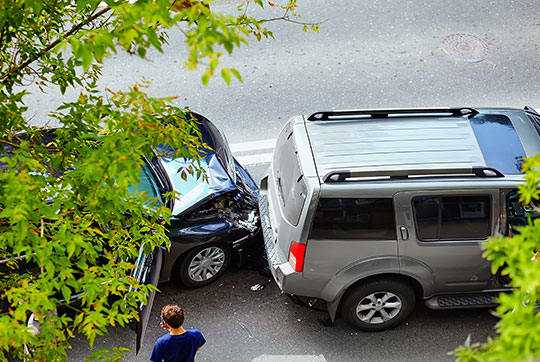
Being involved in a car accident can be stressful, but taking the right steps can help ensure everyone stays safe and make the insurance claims process easier.

Immediately After an Accident

  1. Stop your vehicle and switch off the engine.
  2. Turn on your hazard lights.
  3. Check for injuries and call emergency services if necessary.
  4. Contact emergency services by calling 999 if:
What Should I Do If I Have a Car Accident
  • Someone is injured
  • The road is blocked or unsafe
  • The accident appears suspicious (for example, crash-for-cash)
  • The other driver appears intoxicated
  • The other driver leaves the scene or has no insurance

If the police do not attend the scene, you may still need to report the accident within 24 hours by calling 101 or visiting a police station.

Exchange Details With Other Drivers

You should exchange the following information with any other drivers involved:

  • Full name
  • Contact number
  • Vehicle registration number
  • Address
  • Insurance company details
  • Vehicle owner details (if different from the driver)

If possible, also collect the contact details of any witnesses.

Record Important Details

Try to record as much information as possible about the accident, including:

  • The make, model and registration of other vehicles
  • The date and time of the accident
  • Road conditions, weather and lighting
  • Visible vehicle damage
  • Any injuries to drivers or passengers

Take photographs of the vehicles, the accident scene and the surrounding area if it is safe to do so.

Avoid admitting fault at the scene, as responsibility for the accident will be determined later based on the available evidence.

Contact Your Insurer

You should contact your insurer as soon as possible after the accident. If you are able to, notify them while still at the scene. Otherwise, contact them at the earliest opportunity to begin the claims process.

How Many Claims Can I Make on My Car Insurance in a Year?

There is no fixed limit on the number of claims you can make on your car insurance policy in a single year. However, making multiple claims may affect the cost of your future premiums.

Insurance providers use your claims history to assess risk. If you make several claims within a short period, insurers may consider you a higher risk driver, which could lead to higher insurance premiums when your policy renews.

How to Check Your Car Insurance Claims History

If you are unsure about your claims history, you can contact your insurance provider directly. They can provide details about previous claims, including:

  • The type of claims made
  • The dates the claims occurred
  • The amounts paid out

What Is the CUE Database?

Your claims history may also be recorded in the Claims and Underwriting Exchange (CUE) database. This is a UK-wide system used by insurers to record incidents reported to insurance companies.

The CUE database may include:

  • Claims that were paid out
  • Claims that were rejected
  • Incidents that were reported but did not lead to a claim

These records typically remain on the system for up to six years.

If you want to check your CUE record, you can request your information through the Motor Insurers’ Bureau (MIB) by submitting an online request.

In most cases, however, your current insurer will be able to provide your claims history more quickly.

Get Quotes

Car Insurance Frequently Asked Questions

To drive legally on UK public roads, you must have at least third party car insurance. This is the minimum level of cover required by law. Third party insurance covers damage or injury caused to other people, vehicles or property, but it does not cover damage to your own vehicle.

If your vehicle is not being driven and you have declared a SORN (Statutory Off Road Notification) with the DVLA, you are not required to insure the vehicle. However, without insurance your car will not be protected against theft, fire or damage.

Most car insurance policies run for 12 months. However, short-term car insurance is also available and can provide cover from 24 hours up to several weeks, depending on the provider.

Third party only insurance is often the cheapest option because it provides the lowest level of cover. However, it does not cover damage to your own vehicle, so it may not always offer the best value depending on your situation.

You must be insured to drive someone else’s vehicle. This usually means being added to their policy or taking out temporary insurance. Some comprehensive policies allow drivers to operate other vehicles with third party cover only, but this varies by insurer. Always check your policy wording.

Drivers under the age of 25 are statistically more likely to be involved in accidents, which means insurers consider them a higher risk. As drivers gain experience and build a no claims bonus, insurance premiums often decrease.

Many insurers offer no claims bonus protection as an optional add-on. This allows you to make a limited number of claims without losing your accumulated discount. The exact rules vary between insurers, so it is important to check the policy details.

Driving without insurance in the UK is illegal. You could receive a £300 fine and six penalty points on your driving licence. In some cases, your vehicle may be seized or destroyed, and more serious offences could lead to a driving ban or court action.

Providing incorrect or incomplete information when applying for insurance can invalidate your policy. This may include failing to declare previous claims, penalty points, driving convictions or relevant medical conditions. If this happens, insurers may refuse to pay a claim.

A no claims bonus is a discount you earn for each year you do not make a claim on your car insurance policy.

Your insurer will usually confirm this in your renewal documents or provide proof if you are switching providers.

Some UK insurers may accept no claims bonuses earned in other European countries. However, bonuses from outside Europe are often not recognised, and acceptance depends on the insurer.

Many UK car insurance policies provide third party cover for driving in EU countries, but the level of cover may be reduced compared with your UK policy. Always check your policy wording and confirm what protection is included before travelling.

Yes, you may be able to purchase laid-up cover. This type of insurance is designed for vehicles that are not being driven but still need protection against risks such as theft, fire or damage.

Insurance providers must follow the Equality Act 2010, which means drivers cannot be charged more solely because of a medical condition unless it directly increases risk. Some drivers may also benefit from specialist insurers or the Motability Scheme.

Yes, it is possible to insure a vehicle you do not own. When applying for insurance, you must declare the registered owner of the vehicle and explain your relationship to them so the insurer can assess the policy correctly.

Car insurance comparison sites allow drivers to compare quotes from multiple insurers in one place. By entering your vehicle details and a few personal details, the system checks prices from different providers and shows policies that match your information. This helps drivers compare prices, levels of cover and optional extras before choosing a policy.

Most car insurance comparison services show quotes from a panel of insurers. The number of providers available can vary depending on the comparison service and the details entered when requesting quotes. Comparing quotes from multiple insurers can help drivers see different prices and cover options before choosing a policy.

The best time to compare car insurance quotes is usually around three to four weeks before your policy renewal date. Insurers often offer lower prices earlier in the renewal window, while quotes closer to the renewal date may be more expensive. Comparing quotes before your policy renews can help you find cheaper options.

Yes, you can switch car insurance before your policy renewal date. However, you may need to pay a cancellation fee depending on your insurer’s terms. Many drivers choose to compare car insurance quotes before renewing so they can decide whether switching providers could save them money.

Comparing car insurance quotes does not usually affect your credit score. Most insurers perform a soft credit check when providing quotes, which does not impact your credit rating. A hard credit check may only happen if you choose to pay monthly and the insurer needs to assess eligibility for credit.

Car insurance quotes can change because insurers update prices regularly based on factors such as claims data, market conditions and risk models. Quotes can also vary depending on details like mileage, address, vehicle type and driving history. Comparing quotes regularly helps drivers see the latest prices available.

Car Insurance Comparison

Convictions Car Insurance Comparison

Car Insurance Provider

Car Insurance Guides

Page last updated on: 10/03/2026

Page reviewed by: Shay Ramani

4000+ reviews