












Top 10 Cheapest Estate Cars to Insure in the UK (2026)

  • Save up to £523* on your car insurance
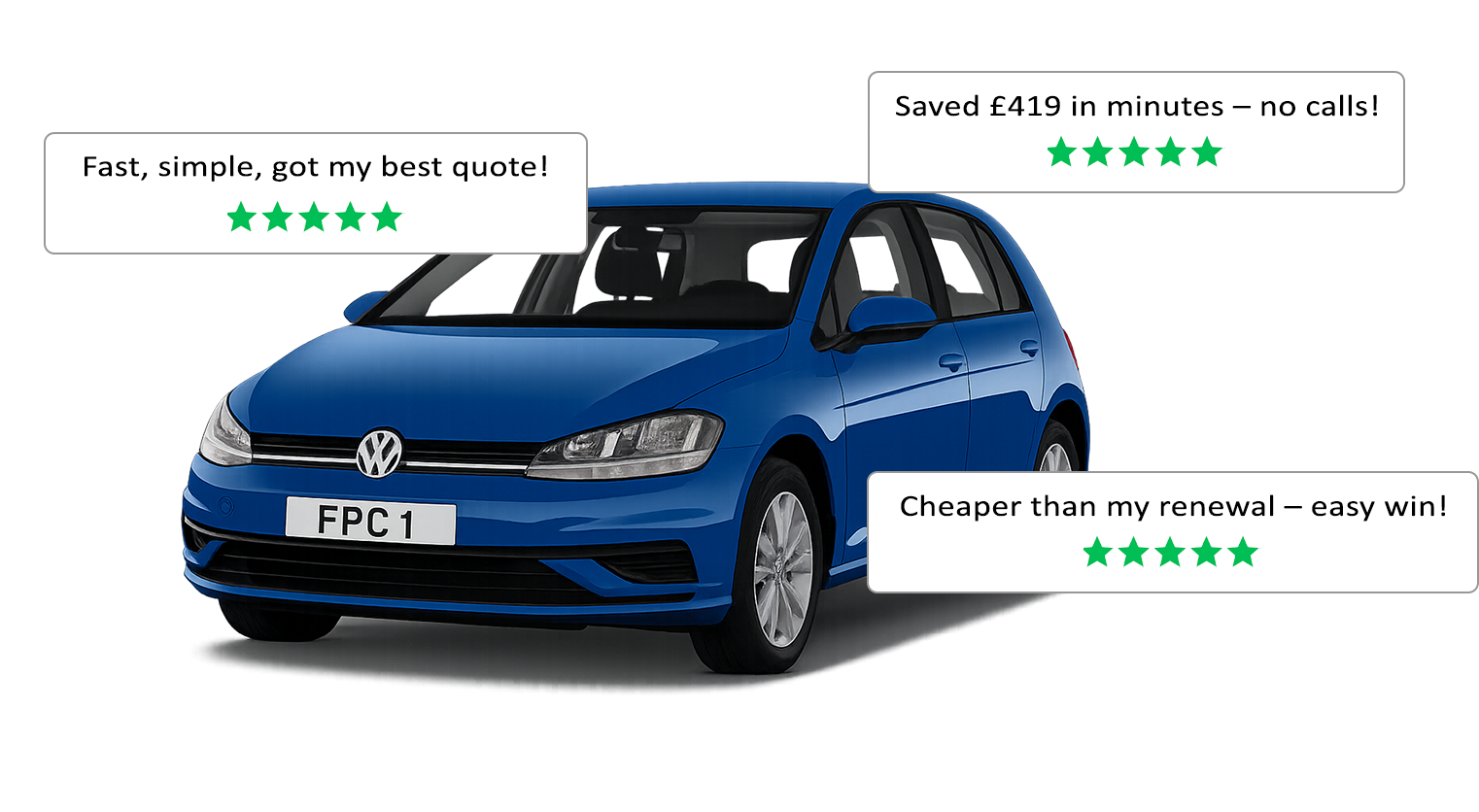
  • 97% of reviewers recommend Free Price Compare
  • Compare car insurance quotes from 130+ insurers
GB
Retrieve Quotes

Don’t have your registration number? No problem, click here.

Tip: Some insurers offer discounts for low annual mileage. Consider this if you don't drive often.

4000+ reviews

We compare car insurance quotes from 130+ companies...

Wide variety of insurance options available to help you find a suitable policy

Happy Customers

We've served thousands of policies to
thousands of happy customers.

Price Comparison Market

10+ years experience in
the Price Comparison Market.

Car Insurance Companies

We'll display quotes from
130+ car insurance companies.

Estate cars are a great option for drivers who need large boot space, plenty of rear seats room and practicality for families or longer journeys. While larger in size, many estate cars are surprisingly affordable to insure when paired with sensible engines, low repair costs and strong safety features. If you plan to compare car insurance before buying, understanding how estate car body style and usage affect insurance costs can help you choose a practical vehicle without pushing premiums higher than needed.

The prices and insurance figures shown are indicative UK averages, based on market data and Free Price Compare analysis. All estimates are rounded to reflect typical costs rather than exact insurance quotes.

Compare car insurance for your details

Why estate cars can be affordable to insure

While estate cars are often larger than hatchbacks and saloons, they don’t automatically cost more to insure. Insurance companies look at factors such as:

  • Insurance groups: Estate cars with sensible petrol engines and strong safety ratings may sit in moderate groups.
  • Insurance premium history: Models with fewer high-value claims or theft incidents often attract lower premiums.
  • Repair costs: Widely available parts and straightforward mechanics keep repair costs down.
  • Fuel economy: Estates with efficient engines (petrol or mild hybrid) often score well with insurers.

Understanding these factors can help you pick an estate car that balances space, running costs and insurance rates.

Top 10 Cheapest Estate Cars to Insure – Cost Overview

Estate car Typical used price Typical new price Est. annual insurance cost* Insurance group
Skoda Fabia Estate £7,000–£10,000 £18,000+ £420–£650 8–12
Dacia Logan MCV £6,000–£9,000 £14,500+ £400–£630 7–10
Vauxhall Astra Sports Tourer £7,500–£11,500 £20,000+ £440–£680 10–14
Kia Ceed Sportswagon £8,000–£12,000 £21,000+ £450–£690 10–15
Ford Focus Estate £7,500–£11,000 £21,500+ £450–£710 11–16
Volkswagen Passat Estate £8,500–£13,000 £27,000+ £460–£740 12–18
Skoda Octavia Estate £8,000–£12,500 £24,000+ £450–£720 10–17
Toyota Corolla Touring Sports £9,000–£14,000 £28,000+ £470–£750 12–18
Seat Leon Estate £8,000–£12,500 £22,500+ £460–£730 11–17
Volkswagen Golf Estate £8,500–£13,000 £26,000+ £470–£750 12–18

*Insurance estimates based on Free Price Compare analysis of UK insurance rates.

Most drivers find it useful to compare car insurance prices from different insurers before committing to a policy, as rates can vary significantly even for the same estate car model.

See how much cover could cost

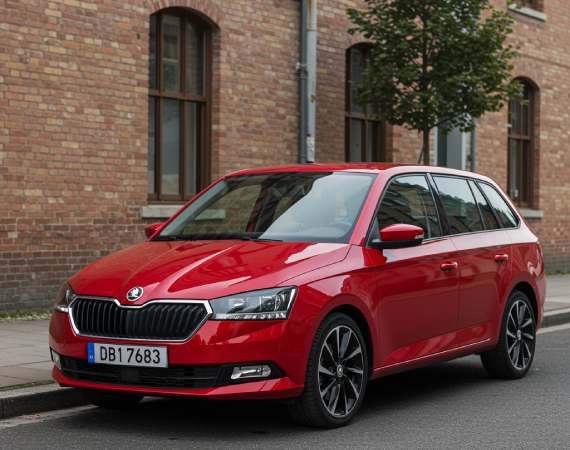
1. Skoda Fabia Estate

  • Typical used price: from around £7,000
  • Estimated insurance cost: £420–£650 per year
  • Insurance group: 8–12

The Skoda Fabia Estate is a practical and great option for everyday use, with plenty of boot space and enough room in the rear seats.

Why it’s cheap to insure:

  • Lower repair costs
  • Moderate insurance group
  • Strong fuel economy
Skoda Fabia Estate
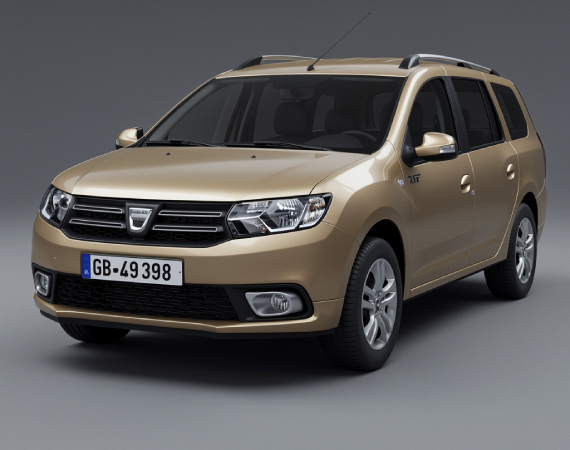
Dacia Logan MCV

2. Dacia Logan MCV

  • Typical used price: from around £6,000
  • Estimated insurance cost: £400–£630 per year
  • Insurance group: 7–10

The Dacia Logan MCV is one of the most affordable estate cars to buy and insure, with a generous boot and practical interior.

Why it’s cheap to insure:

  • Low purchase price
  • Affordable parts
  • Simpler mechanics

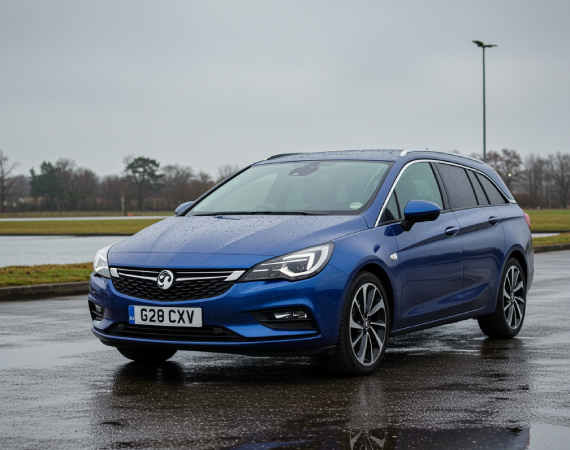
3. Vauxhall Astra Sports Tourer

  • Typical used price: from around £7,500
  • Estimated insurance cost: £440–£680 per year
  • Insurance group: 10–14

A popular estate choice for families, the Astra Sports Tourer balances space and cost.

Why it’s cheap to insure:

  • Good safety features
  • Common model with widely available parts
  • Balanced insurance group
 Vauxhall Astra Sports Tourer
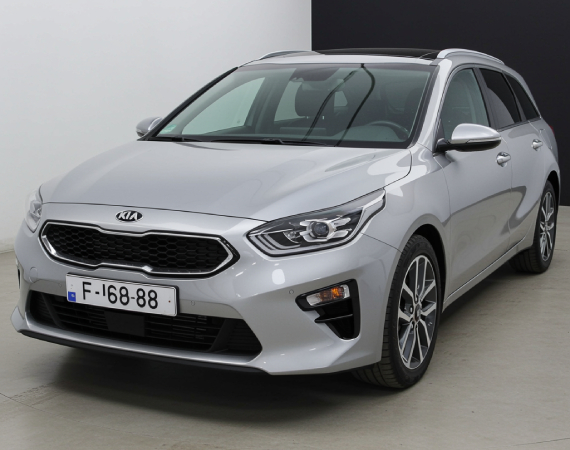
Kia Ceed Sportswagon

4. Kia Ceed Sportswagon

  • Typical used price: from around £8,000
  • Estimated insurance cost: £450–£690 per year
  • Insurance group: 10–15

The Kia Ceed Sportswagon combines practicality with strong reliability, making it a good option for everyday insurance costs.

Why it’s cheap to insure:

  • Low running costs
  • Solid safety rating
  • Predictable repair costs

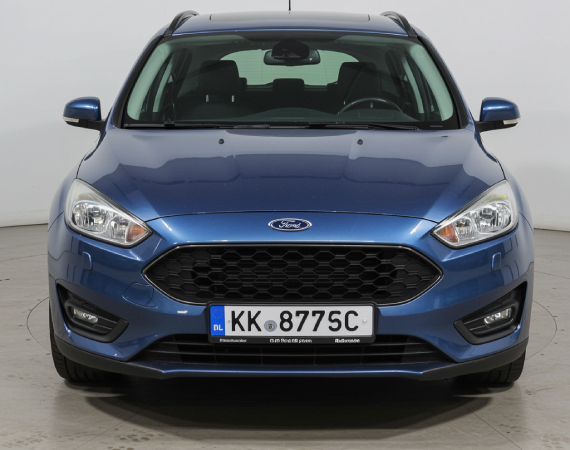
5. Ford Focus Estate

  • Typical used price: from around £7,500
  • Estimated insurance cost: £450–£710 per year
  • Insurance group: 11–16

The Focus Estate is a well-rounded vehicle with good handling and decent boot space.

Why it’s cheap to insure:

  • Widely understood by insurers
  • Efficient petrol engines available
  • Steady insurance group position
Ford Focus Estat
Volkswagen Passat Estate

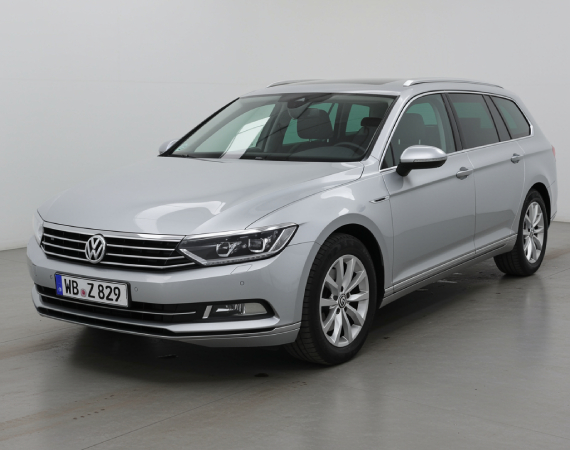
6. Volkswagen Passat Estate

  • Typical used price: from around £8,500
  • Estimated insurance cost: £460–£740 per year
  • Insurance group: 12–18

The Passat Estate is larger and offers a more premium experience while still attracting reasonable insurance rates for its class.

Why it’s cheap to insure:

  • Strong safety technology
  • Lower theft rates
  • Moderate repair costs

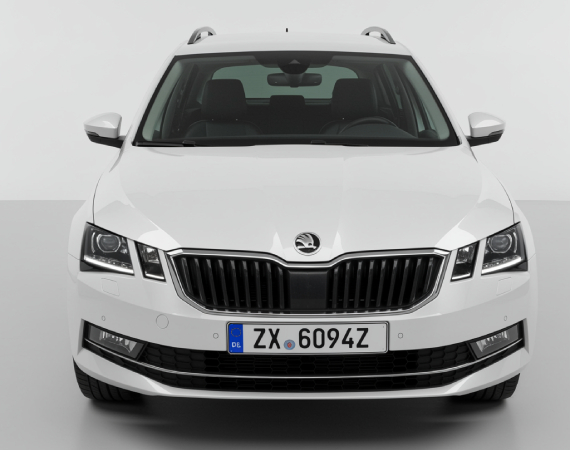
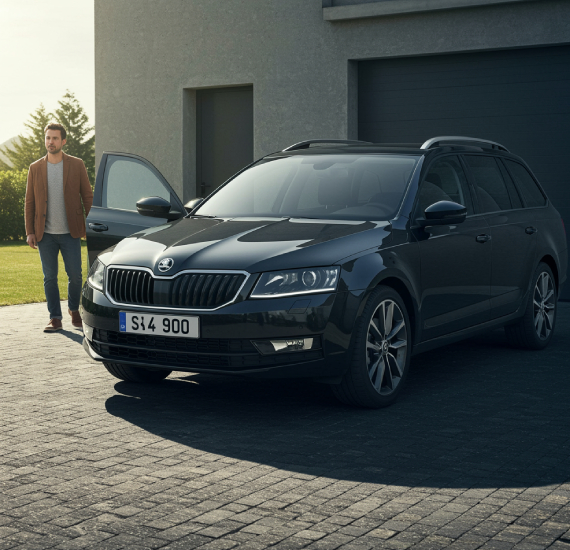
7. Skoda Octavia Estate

  • Typical used price: from around £8,000
  • Estimated insurance cost: £450–£720 per year
  • Insurance group: 10–17

The Octavia Estate is roomy, efficient, and often cheaper to run and insure than many rivals.

Why it’s cheap to insure:

  • Excellent fuel economy
  • Efficient engines
  • Good safety ratings
Skoda Octavia Estate
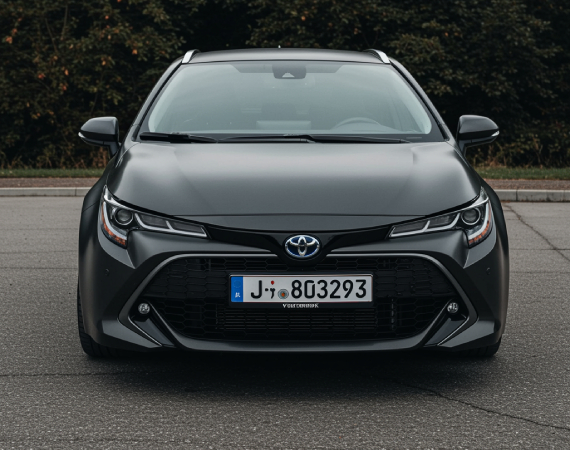
Toyota Corolla Touring Sports

8. Toyota Corolla Touring Sports

  • Typical used price: from around £9,000
  • Estimated insurance cost: £470–£750 per year
  • Insurance group: 12–18

This hybrid estate offers strong fuel efficiency and a practical layout.

Why it’s cheap to insure:

  • Hybrid system lowers running costs
  • Strong safety features
  • Lower risk profile

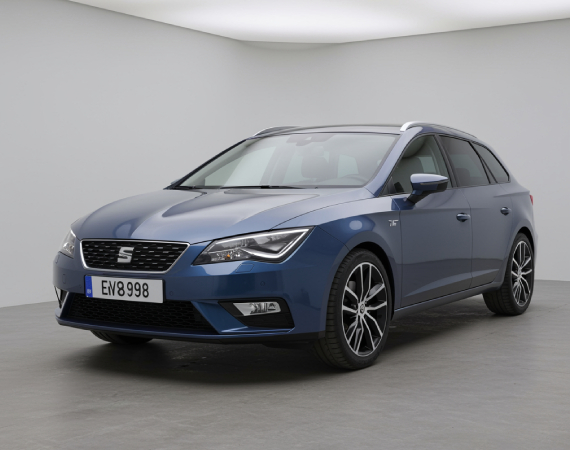
9. Seat Leon Estate

  • Typical used price: from around £8,000
  • Estimated insurance cost: £460–£730 per year
  • Insurance group: 11–17

The Leon Estate blends sporty handling with family practicality.

Why it’s cheap to insure:

  • Balanced performance
  • Well-rated safety features
  • Reasonable running costs
Seat Leon Estate
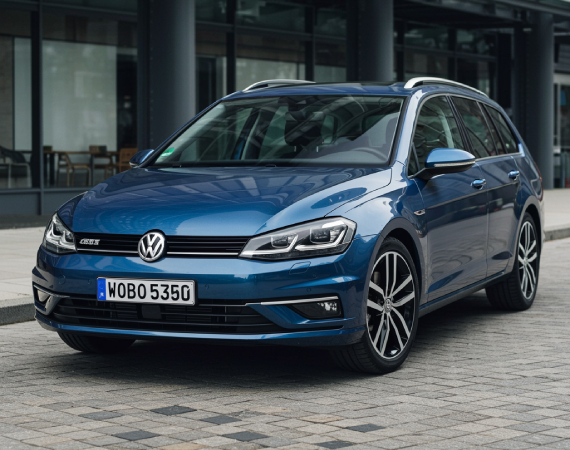
 Volkswagen Golf Estate

10. Volkswagen Golf Estate

  • Typical used price: from around £8,500
  • Estimated insurance cost: £470–£750 per year
  • Insurance group: 12–18

The Golf Estate offers a familiar, practical choice with good overall reliability.

Why it’s cheap to insure:

  • Strong safety tech
  • Predictable parts pricing
  • Good fuel economy

What makes estate cars different for insurance

Estate cars are often chosen for practical space, including larger boots and comfortable rear seats. Insurers look beyond size to vehicle type, fuel economy and safety features when assessing risk. A bigger boot or rear space doesn’t automatically mean higher insurance — what matters most is risk profile, repair costs and how commonly a model is claimed on.

Get Quotes

How running costs affect insurance for estate cars

Running costs such as fuel economy, insurance premium and repair costs can influence overall ownership cost. Estate cars with efficient petrol engines or mild hybrid systems often achieve good fuel economy and lower tax bands, which can help keep running costs manageable.

Safety and equipment that help lower insurance premiums

Estate cars with strong safety ratings and advanced safety features are often cheaper to insure. Features that insurers look at include:

  • Electronic stability control
  • Adaptive cruise control
  • Reversing camera
  • Strong Euro NCAP ratings
  • Security features such as immobilisers

These can reduce the likelihood of claims and help secure lower insurance costs.

Safety and equipment that help lower insurance premiums

Tips for getting cheaper estate car insurance

There are several practical steps that can help reduce the cost of estate car insurance without cutting back on essential cover.

  • Choose a lower insurance group
    Estate cars with smaller engines and fewer performance upgrades usually sit in lower insurance groups, which can significantly reduce premiums.
  • Keep annual mileage realistic
    Higher mileage increases risk in the eyes of insurers. Declaring an accurate, lower mileage can help keep costs down.
  • Maintain a clean driving record
    Avoiding claims and penalty points helps build a no-claims bonus, which is one of the most effective ways to lower insurance costs over time.
  • Set a sensible voluntary excess
    Increasing the voluntary excess can reduce your premium, as long as the amount is affordable if you ever need to make a claim.
  • Avoid unnecessary extras
    Optional upgrades such as large alloy wheels or performance trims can increase repair costs and push premiums higher.
  • Review prices before renewal
    Insurance prices can change each year. Checking quotes before your renewal date can help you avoid paying more than necessary.

Drivers who take time to compare car insurance prices before renewing often find better value, especially when vehicle details or mileage have changed.

FAQs: Cheapest Estate Cars to Insure

Estate cars such as the Skoda Fabia Estate, Dacia Logan MCV and Vauxhall Astra Sports Tourer are often among the cheapest to insure. These models usually have modest engines, lower repair costs and sit in more affordable insurance groups.

Not always. Many estate cars share the same engines and safety features as hatchbacks, which means they can sit in similar insurance groups despite offering more space.

In some cases, yes. Diesel engines can increase insurance costs due to higher repair and emissions control costs, but this varies by model, engine size and insurer.

Boot space itself does not affect insurance premiums. However, estate cars are often used for longer journeys, and higher annual mileage can influence insurance prices.

Yes. Many automatic estate cars with sensible power outputs and strong safety features are still reasonably priced to insure, especially in lower insurance groups.

Yes. Always compare car insurance prices before buying to understand how different estate models affect both insurance costs and overall running costs.

Not necessarily. Hybrid estate cars can be competitively priced to insure when they have strong safety ratings and reasonable repair costs, though this depends on the specific model.

Yes. Higher annual mileage generally increases insurance costs, as it raises the likelihood of a claim. Keeping mileage realistic can help reduce premiums.

Yes. Many insurance providers allow breakdown cover to be added for roadside assistance and recovery, though it usually comes at an additional cost.

Increasing voluntary excess can reduce insurance premiums, but it should only be set at a level you can comfortably afford if you need to make a claim.

Yes. Recent 2025 Q4 data often highlights models such as the Skoda Fabia Estate, Dacia Logan MCV, Ford Focus Estate and Skoda Octavia Estate as among the cheapest to insure due to lower insurance groups and repair costs.

The cheapest estate cars to insure typically have low running costs thanks to good fuel economy, smaller engines and affordable servicing and repair costs.

You can identify estate cars with lower insurance costs by checking insurance group ratings alongside new and used listings from UK dealers and online marketplaces, then comparing insurance quotes before buying.

Not always. Family-sized estate cars can sometimes be cheaper to insure if they sit in a lower insurance group and are fitted with strong safety features. Insurers often see larger family estates as lower risk when they are driven fewer miles and used for everyday family journeys rather than high-risk driving.

Car Insurance Comparison

Convictions Car Insurance Comparison

Car Insurance Provider

Car Insurance Guides

Page last updated on: 26/12/2025

Page reviewed by: Shay Ramani

4000+ reviews