












Top 10 Cheapest Large Cars to Insure in the UK (2026)

  • Save up to £523* on your car insurance
  • 97% of reviewers recommend Free Price Compare
  • Compare car insurance quotes from 130+ insurers
GB
Retrieve Quotes

Don’t have your registration number? No problem, click here.

Tip: Some insurers offer discounts for low annual mileage. Consider this if you don't drive often.

4000+ reviews

We compare car insurance quotes from 130+ companies...

Wide variety of insurance options available to help you find a suitable policy

Happy Customers

We've served thousands of policies to
thousands of happy customers.

Price Comparison Market

10+ years experience in
the Price Comparison Market.

Car Insurance Companies

We'll display quotes from
130+ car insurance companies.

Large cars do not always mean high insurance costs. Many family-sized hatchbacks and saloons sit in reasonable insurance groups when paired with sensible engines, strong safety features and predictable repair costs. Below are the top 10 cheapest large cars to insure in the UK for 2026, based on insurance group ratings, typical insurance costs and ownership data. When you compare car insurance alongside vehicle size, it becomes easier to spot large cars that remain affordable to insure.

The prices and insurance figures shown are indicative UK averages, based on market data and Free Price Compare analysis. All figures are rounded to reflect typical costs rather than exact quotes.

Check your current insurance costs

Why some large cars are cheaper to insure

Insurance companies assess risk using insurance group ratings set by the Association of British Insurers. Large cars can still be affordable to insure when they have:

  • Sensible petrol engines rather than high-performance versions
  • Strong Euro NCAP safety ratings
  • Widely available parts and reasonable repair costs
  • Lower theft risk than premium or sports models

These factors help reduce insurance claims and keep insurance premiums lower than many drivers expect.

Top 10 Cheapest Large Cars to Insure – Cost Overview

Large car Typical used price Typical new price Est. annual insurance cost* Insurance group
Skoda Octavia (1.0 / 1.5) £7,500–£11,500 £22,000+ £420–£650 10–15
Toyota Corolla (1.8 hybrid) £9,000–£13,000 £24,000+ £430–£660 12–16
Hyundai i30 £7,000–£11,000 £21,000+ £440–£680 12–17
Kia Ceed £7,000–£11,000 £21,500+ £440–£690 12–17
Volkswagen Golf (1.0 / 1.5) £8,000–£12,500 £23,000+ £460–£720 13–18
Ford Focus (1.0 EcoBoost) £7,500–£12,000 £22,000+ £450–£710 12–18
Mazda 3 (2.0 mild hybrid) £8,500–£13,000 £24,000+ £470–£740 14–19
Honda Civic (1.0 / 1.5) £9,000–£14,000 £27,000+ £480–£760 14–20
Hyundai Elantra £8,000–£12,500 £24,000+ £460–£720 13–18
Toyota Avensis (used) £6,500–£10,000 Discontinued £430–£670 11–16

*Insurance estimates based on Free Price Compare analysis of UK insurance prices.

Many drivers choose to compare car insurance prices across providers to understand how different large cars affect overall costs.

See how much cover could cost

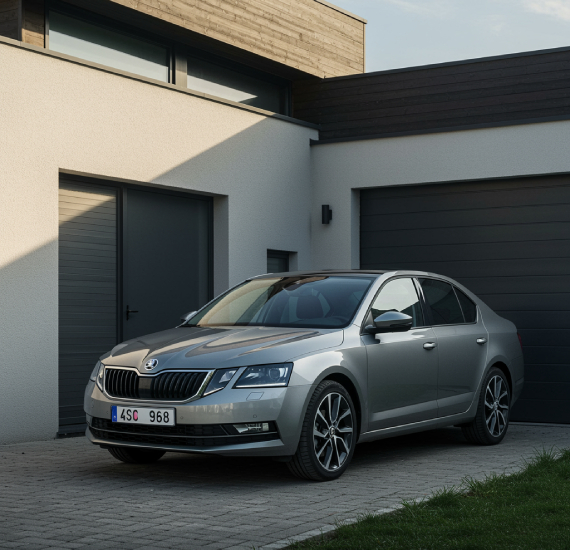
1. Skoda Octavia (1.0 / 1.5 petrol)

  • Cost to buy: from around £7,500 used
  • Estimated insurance cost: £420–£650 per year
  • Insurance group: 10–15

The Skoda Octavia is a large family car that often undercuts rivals on insurance. Entry-level petrol engines keep running costs and insurance prices down.

Why it’s cheap to insure:

  • Affordable repair costs
  • Strong safety ratings
  • Sensible engine options
Skoda Octavia (1.0 / 1.5 petrol)
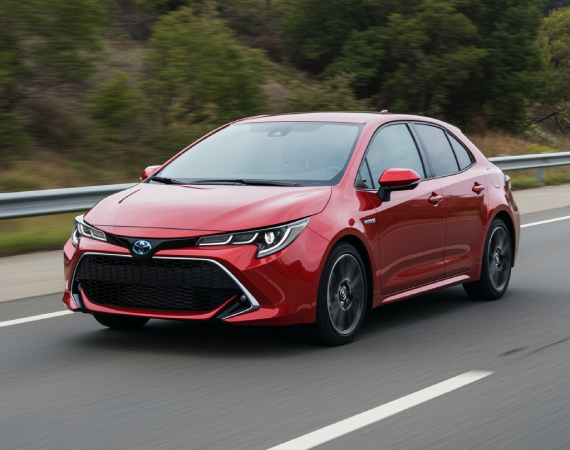
 Toyota Corolla (1.8 hybrid)

2. Toyota Corolla (1.8 hybrid)

  • Cost to buy: from around £9,000 used
  • Estimated insurance cost: £430–£660 per year
  • Insurance group: 12–16

The Corolla combines reliability with modern safety technology, helping insurers keep premiums competitive.

Why it’s cheap to insure:

  • Excellent reliability record
  • Strong safety features
  • Predictable repair costs

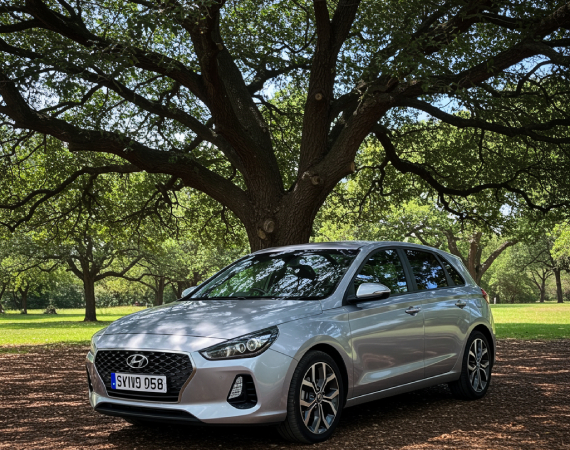
3. Hyundai i30

  • Cost to buy: from around £7,000 used
  • Estimated insurance cost: £440–£680 per year
  • Insurance group: 12–17

Often overlooked, the Hyundai i30 offers plenty of space with manageable insurance costs.

Why it’s cheap to insure:

  • Lower repair costs than premium rivals
  • Good safety ratings
  • Sensible petrol engines
 Hyundai i30
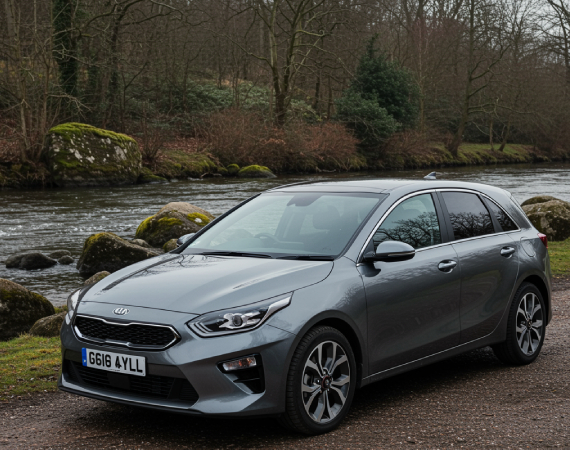
Kia Ceed

4. Kia Ceed

  • Cost to buy: from around £7,000 used
  • Estimated insurance cost: £440–£690 per year
  • Insurance group: 12–17

The Kia Ceed is a solid choice for drivers wanting affordable coverage in a large hatchback.

Why it’s cheap to insure:

  • Widely available parts
  • Strong safety features
  • Lower insurance group on basic trims

5. Volkswagen Golf (lower-power trims)

  • Cost to buy: from around £8,000 used
  • Estimated insurance cost: £460–£720 per year
  • Insurance group: 13–18

Lower-power Golf models avoid the higher premiums linked to performance versions.

Why it’s cheap to insure:

  • Advanced safety systems
  • Predictable repair costs
  • Entry engines in lower insurance groups
Volkswagen Golf
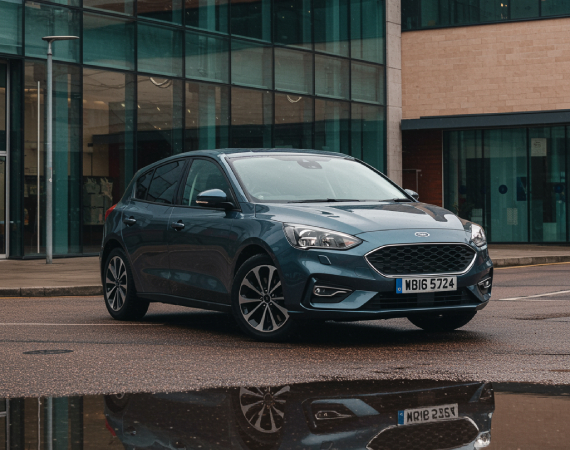
 Ford Focus (1.0 EcoBoost)

6. Ford Focus (1.0 EcoBoost)

  • Cost to buy: from around £7,500 used
  • Estimated insurance cost: £450–£710 per year
  • Insurance group: 12–18

The Focus remains a popular family car with reasonable insurance prices.

Why it’s cheap to insure:

  • Common parts reduce repair costs
  • Strong safety ratings
  • Moderate insurance group

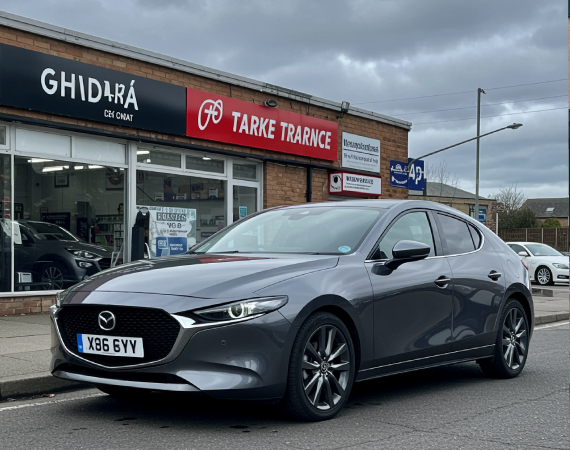
7. Mazda 3 (2.0 mild hybrid)

  • Cost to buy: from around £8,500 used
  • Estimated insurance cost: £470–£740 per year
  • Insurance group: 14–19

Mazda’s safety focus and reliability help keep insurance costs under control.

Why it’s cheap to insure:

  • Strong Euro NCAP ratings
  • Reliable engineering
  • Controlled repair costs
Mazda 3 (2.0 mild hybrid)
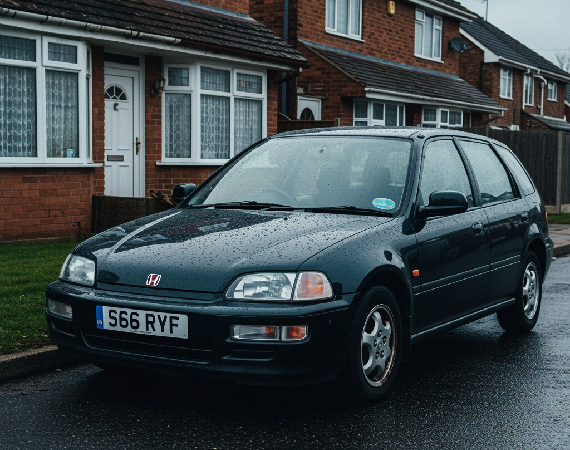
Honda Civic

8. Honda Civic

  • Cost to buy: from around £9,000 used
  • Estimated insurance cost: £480–£760 per year
  • Insurance group: 14–20

The Civic is larger than many hatchbacks but still avoids the highest insurance bands.

Why it’s cheap to insure:

  • Excellent reliability history
  • Strong safety features
  • Sensible engine choices

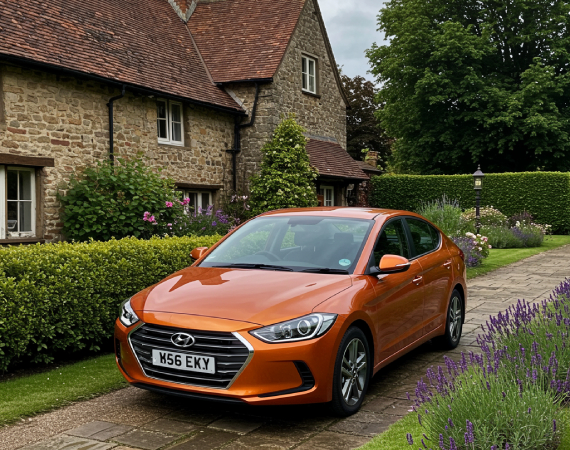
9. Hyundai Elantra

  • Cost to buy: from around £8,000 used
  • Estimated insurance cost: £460–£720 per year
  • Insurance group: 13–18

As a saloon, the Elantra often attracts lower theft risk than hatchbacks.

Why it’s cheap to insure:

  • Lower theft risk
  • Good safety technology
  • Affordable repair costs
Hyundai Elantra
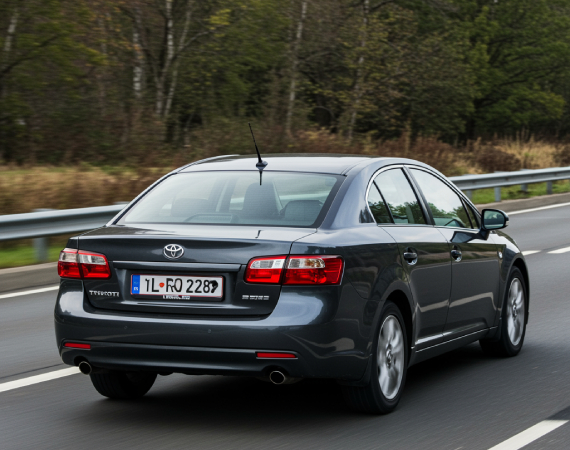
Toyota Avensis

10. Toyota Avensis (used market)

  • Cost to buy: from around £6,500 used
  • Estimated insurance cost: £430–£670 per year
  • Insurance group: 11–16

Although discontinued, the Avensis remains common on UK roads and is seen as low risk by insurers.

Why it’s cheap to insure:

  • Proven reliability
  • Low claim frequency
  • Reasonable insurance group

Large cars and insurance costs for new drivers

Large cars can still be suitable for new drivers when paired with the right engine and insurance setup. Choosing a model in a lower insurance group, increasing the voluntary excess and limiting annual mileage can all help reduce costs.

For some drivers, carefully comparing policies can make a large car more affordable than expected and even open the door to cheap car insurance despite the vehicle size.

See how different car insurance policies compare

What types of car insurance cover are available for large cars?

Large cars can be insured using the same main types of car insurance cover as smaller vehicles, but the cost can vary depending on the level of protection you choose.

  • Third party only is the minimum legal requirement, covering damage to other people and their vehicles, but not your own car.
  • Third party, fire and theft adds protection if your car is stolen or damaged by fire.
  • Comprehensive cover offers the highest level of protection, including accidental damage to your own car.

For many drivers, comprehensive cover can still offer good value on large cars, particularly when the vehicle sits in a lower insurance group and has strong safety features. Some insurance providers price comprehensive policies competitively because they are often chosen by lower-risk drivers.

Get Quotes

Should you pay monthly instalments or annually?

How you pay for your insurance can affect the overall cost of car insurance.

Paying monthly instalments can help spread the cost, but it often increases total car insurance costs due to interest charges added by insurers. Over a year, this can make cover more expensive than expected.

Paying annually as a lump sum usually works out cheaper, as it avoids added interest and can make it easier to secure a better deal. If you can afford it, annual payment is often the simplest way to reduce insurance costs on large cars.

Can you get temporary car insurance for large cars?

Yes. Temporary car insurance is available for many large cars, although availability depends on the insurer and the exact vehicle.

Short-term policies are commonly used when:

  • Borrowing a large car for a few days
  • Covering short-term business use
  • Insuring a car temporarily between policies

Temporary cover is usually comprehensive, but it can cost more per day than a standard annual policy. It is best suited for short-term needs rather than long-term use.

Can you get temporary car insurance for large cars

Can you add breakdown cover to car insurance?

Many insurance providers allow you to add breakdown cover to your car insurance policy as an optional extra. This can include roadside assistance, recovery and onward travel if your car breaks down.

Adding breakdown cover to your insurance can be convenient, but it is worth checking:

  • What level of cover is included
  • Whether it applies at home or only on the road
  • If it covers long journeys or business use

In some cases, buying breakdown cover separately may offer better value, especially for drivers who regularly travel long distances in a large car.

Get Quotes

How can you get cheaper car insurance for large cars?

Getting cheaper car insurance for large cars often comes down to reducing risk in the eyes of insurance providers. Choosing a large car in a lower insurance group, rather than a high-performance model, can make a noticeable difference to premiums.

Keeping annual mileage realistic, maintaining a claims bonus and avoiding unnecessary extras can also help lower the overall cost of car insurance. Some drivers reduce costs further by increasing the voluntary excess, provided it remains affordable if a claim is needed.

Other steps that may help include parking the car securely, selecting sensible options rather than expensive alloy wheels, and making sure the policy accurately reflects how the car is used. Taking time to review car insurance quotes before renewal can help identify better deals and avoid paying more than necessary.

FAQs: Cheapest Large Cars to Insure

Some of the cheapest large cars to insure in the UK for 2026 include the Skoda Octavia, Toyota Corolla, Hyundai i30, Kia Ceed and Ford Focus. These cars often sit in a lower insurance group because they have sensible petrol engines, strong safety features and manageable repair costs.

Usually yes, but not always. While small cars often attract lower premiums, many large family cars remain affordable to insure when they avoid high-performance engines and sit in reasonable car insurance groups.

Yes. Some large cars combine lower insurance costs with good fuel economy and reasonable running costs. Models like the Toyota Corolla hybrid and Skoda Octavia are often cheaper to run due to efficient engines, lower servicing costs and affordable insurance premiums.

For large cars, insurance group ratings between 10 and 20 are often considered affordable. Cars in a lower insurance group usually benefit from lower repair costs, strong safety ratings and lower overall risk.

Not always. Some hybrid large cars benefit from strong safety features and controlled power delivery, which can help keep insurance costs down. However, models with complex systems can cost more to repair, so it’s important to check by model.

Yes. Higher annual mileage generally increases insurance costs because it raises the likelihood of a claim. Drivers who cover fewer miles each year may benefit from lower premiums, regardless of car size.

It depends on the car and policy. New drivers and younger drivers may face higher premiums, but choosing a large car in a lower insurance group, limiting mileage and maintaining safe driving habits can help reduce costs over time.

Yes. Choosing a higher voluntary excess can lower your insurance premium by reducing the insurer’s risk. You should only increase it to a level you could comfortably afford if you needed to make a claim.

Yes. Cars with a higher purchase price or expensive parts usually cost more to insure. Large cars with affordable repair costs and widely available parts are often cheaper to insure than premium or specialist models.

In many cases, yes. Petrol engines often have lower repair costs and simpler emissions systems than diesel, which can help reduce insurance prices.

Often, yes. Paying monthly payments can increase the total cost due to interest. Paying annually as a lump sum may help you secure a better deal overall.

Yes. Insurance prices can vary widely between insurance companies and at each renewal date. Comparing policies can help you find a better deal or more suitable car insurance cover.

Yes. Your job title, any penalty points, claims discount and driving history can all affect insurance premiums. Even small changes can influence the final price.

Black box insurance is more common with small or city cars, but some large cars may still qualify. It can be a good option for new customers with safe driving habits, depending on the insurer.

Yes. Many large hatchbacks and saloons offer enough space for families while still keeping insurance costs reasonable, making them a good option for drivers who need practicality without a high premium.

Yes. Some large family cars sit in lower insurance groups than expected. Models like the Skoda Octavia, Toyota Corolla and Hyundai i30 often cost less to insure due to sensible engines, strong safety features and lower repair costs.

Car Insurance Comparison

Convictions Car Insurance Comparison

Car Insurance Provider

Car Insurance Guides

Page last updated on: 25/12/2025

Page reviewed by: Shay Ramani

4000+ reviews