







John Lewis Home Insurance Explained: Cover Levels & Costs

Written by Pratik Aghera
Reviewed by Shay Ramani
6 min read
Updated: 15 Sep 2026
John Lewis Home Insurance Explained: Cover Levels & Costs

John Lewis home insurance is a buildings, contents and combined policy sold in three standard cover levels called Bronze, Silver and Gold, with the option to add accidental damage. The product page was last updated on 11 September 2026, and cover is distributed by John Lewis Finance Limited rather than John Lewis running its own insurance company.

If you are comparing combined buildings and contents cover and want to know what John Lewis actually includes, how the three tiers differ, and whether it represents fair value against the wider market, this explainer covers the parts that decide your price and your protection: the sum insured, the excess, the exclusions and the single-item limits on valuables.

Free Price Compare is FCA-authorised and compares home insurance from a panel of 42 providers, and we source market figures directly from the ABI and FCA rather than any single insurer’s marketing.

Quick Answer: John Lewis Home Insurance Explained

  • John Lewis home insurance offers three tiers: Bronze (entry cover), Silver (mid-range) and Gold (highest limits), and you can mix buildings and contents levels.
  • One published comparison review put a Gold combined policy at around 45% more than the equivalent Bronze policy (NimbleFins review, updated May 2025).
  • Valuables worth more than £20,000 each may fall outside standard cover and need specialist high-value home insurance (John Lewis Money, 11 September 2026).
  • The average UK combined buildings and contents premium was £375 in Q1 2026, down 5% year-on-year, according to the ABI.
  • John Lewis Finance Limited is authorised and regulated by the FCA for insurance distribution, so any policy sold is covered by the FSCS and the Financial Ombudsman Service.

Last updated: September 2026

Written by the Free Price Compare editorial team | Reviewed September 2026

What John Lewis home insurance actually is

John Lewis home insurance is a home buildings, contents and combined insurance product distributed by John Lewis Finance Limited, offered in three standard cover levels: Bronze, Silver and Gold. John Lewis is the distributor and brand, not the underwriter, which means an FCA-authorised insurer sits behind the policy and pays your claims while John Lewis handles the customer relationship and sales.

The distinction matters for two reasons. First, the strength of your cover depends on the underwriter’s policy wording, not the John Lewis name. Second, because John Lewis Finance Limited is authorised and regulated by the FCA for insurance distribution, any policy you buy carries the standard UK consumer protections, including access to the Financial Ombudsman Service and Financial Services Compensation Scheme (FSCS) if the insurer fails.

Buildings insurance covers the physical structure of your home, walls, roof, floors and permanent fixtures, against events like fire, storm, flood and subsidence. Contents insurance covers your possessions inside the home. Most homeowners need both, which is why combined buildings and contents cover is the common choice and usually cheaper than buying the two separately.

What are the differences between Bronze, Silver and Gold?

Bronze, Silver and Gold are John Lewis’s three cover tiers, rising from entry-level limits and features on Bronze to the highest limits and widest inclusions on Gold. Bronze gives you the core protection at the lowest price, Silver adds higher limits and more inclusions, and Gold sits at the top with the most generous single-item limits and, on some policies, unlimited buildings rebuild cover.

You are not locked into one tier for everything. John Lewis lets you mix and match, so you could take a higher contents level than buildings level or the reverse, depending on where your risk sits. A flat with a modest structure but valuable possessions might pair a lower buildings tier with a higher contents tier.

The price gap between tiers can be meaningful, so it is worth checking whether the higher tier’s extra cover justifies any extra cost. Indicative third-party examples suggest the Gold plan can cost noticeably more than Bronze, but the exact gap depends on the property and quote details. That does not automatically make Gold worse value: the right tier is the cheapest one whose limits and features fully cover your home and belongings, so read the Insurance Product Information Document (IPID) for each level before deciding.

  • Bronze suits smaller homes and tighter budgets where standard limits comfortably cover the rebuild cost and possessions.
  • Silver raises limits and adds inclusions, fitting most family homes with mid-range contents.
  • Gold gives the highest single-item limits and widest cover, suited to larger homes or higher-value contents.

Compare home insurance across 42 providers

Does John Lewis home insurance cover subsidence?

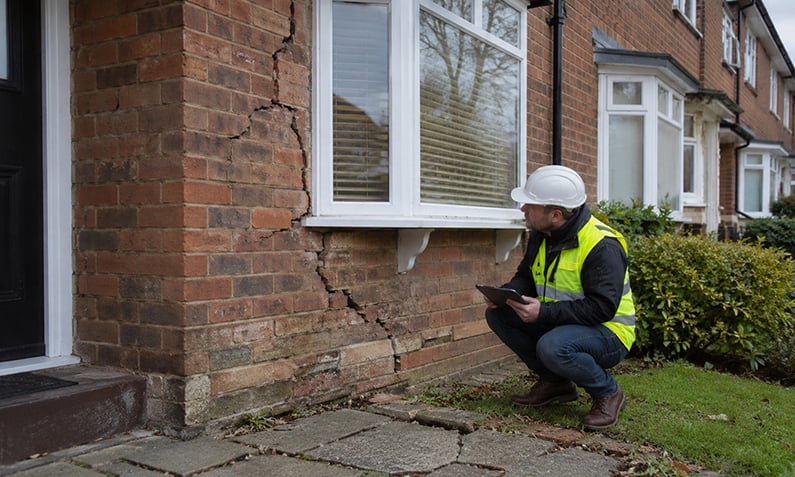
Subsidence is covered as standard on most UK buildings insurance policies, including John Lewis buildings cover, because it is a core structural peril insurers are expected to include. Subsidence is the downward movement of the ground beneath your home that can crack walls and destabilise foundations, and it is one of the most expensive claim types an insurer handles.

Two caveats decide whether a subsidence claim pays out. The excess for subsidence is usually much higher than the standard excess, often £1,000 or more, because these claims are costly to resolve. And if your home has a known history of subsidence or sits in a high-risk area, you must declare it, as non-disclosure can invalidate the claim entirely.

Check the policy wording for the specific subsidence excess and any conditions before you buy. If your property has moved before, specialist subsidence cover may serve you better than a standard policy, and our guide to home and contents insurance explains how structural perils are handled across the market.

Does John Lewis home insurance cover subsidence

Does it cover valuables like jewellery and watches?

Jewellery, watches and other valuables are covered under contents insurance up to a single-item limit, and John Lewis states that valuables worth more than £20,000 each may need its separate high-value home insurance (John Lewis Money, 11 September 2026). Every contents policy sets a maximum it will pay for any one item, and anything worth more than that limit must be listed and specified separately or it will not be fully covered.

This is where under-insurance quietly catches people out. If your engagement ring, a watch collection or a piece of art exceeds the single-item limit and you have not specified it, a claim for that item is capped at the limit, not its true value. Total your high-value possessions honestly before choosing a tier.

For belongings you take out of the home, such as a watch worn daily or a laptop carried to work, standard contents cover does not usually protect them away from the property. Personal possessions cover (sometimes called out-of-home cover) is an optional extra that extends protection to items taken outside, and it is worth adding if you carry valuables regularly.

Not sure your valuables are fully covered?

List every item worth more than your policy’s single-item limit and specify it before you buy.

Will it cover water damage from rain or leaks?

Water damage from a sudden burst pipe or a storm is covered on standard buildings and contents policies, but gradual damage from a slow leak, poor maintenance or rainwater seeping in over time is a common exclusion. Insurers draw a line between a one-off insured event and a maintenance problem you were expected to prevent.

Storm damage claims usually require evidence of severe weather, and rainwater entering through a roof or wall in poor repair is often refused on the grounds it is a maintenance issue. Escape of water from a burst pipe or overflowing tank is typically covered, though the escape-of-water excess can be higher than the standard excess.

Read the policy wording on water carefully, as this is one of the most disputed claim areas in home insurance. Keeping guttering, roofing and pipework maintained protects both your home and your ability to claim, and our overview of flood risk and home insurance explains how weather-related claims are assessed.

Check home insurance quotes for your postcode

How does the price compare to the UK average?

The average UK combined buildings and contents home insurance premium was £375 in Q1 2026, according to the ABI, which reported premiums fell for a fourth consecutive quarter and were 5% (£22) lower than a year earlier. Buildings-only cover averaged £306 and contents-only averaged £117 over the same period.

Published comparison reviews have quoted indicative John Lewis premiums, but these are illustrative example figures for one property profile rather than a guide to what you will pay. These are illustrative example figures for one property profile, not a guide to what you will pay, so treat them as context rather than a quote.

Cover type UK average premium (ABI, Q1 2026)
Combined buildings and contents £375
Buildings only £306
Contents only £117

Figures are indicative and may change. Your own price depends on your postcode, rebuild cost, contents value, claims history, excess and the tier you choose, so the only reliable way to know whether John Lewis is competitive for you is to compare a like-for-like quote against the wider market.

Can I pay monthly and are there fees?

Home insurance is normally payable either as a single annual amount or in 12 monthly instalments, and paying monthly is a credit arrangement that usually costs more overall than paying once a year. Because monthly payment is a form of credit, the total you pay across the year includes interest, expressed as an APR, so the annual lump sum is generally the cheaper option if you can afford it.

John Lewis Finance Limited is authorised by the FCA for both insurance distribution and credit broking, which is what allows it to arrange monthly payment plans. Before you commit, check the annual price against the monthly total and the APR quoted, as the difference between the two can be several percent of the premium.

Renewal is the other cost to watch. Home insurance premiums frequently rise at renewal, and forum discussions from real customers describe year-on-year increases across many insurers, John Lewis included. Comparing at renewal rather than auto-renewing is the single most effective way to keep your price fair, which is why loyal customers can end up overcharged if they never shop around.

Compare renewal quotes before you auto-renew

Getting a John Lewis home insurance quote and alternatives

A John Lewis home insurance quote requires the same core details as any insurer: your address and postcode, the property type and age, the estimated rebuild cost for buildings, the total value of your contents, your claims history and your chosen excess. Getting these figures right, especially the rebuild cost and contents sum insured, is what makes a quote accurate and prevents under-insurance.

The rebuild cost is not the market value of your home. It is what it would cost to rebuild the structure from scratch, and it is usually lower than the sale price because it excludes the land. Understating it risks your claim being reduced proportionally, while overstating it inflates your premium unnecessarily.

John Lewis is one option among many, and it is not the only insurer offering tiered cover and strong standard limits. The most reliable way to judge whether it suits you is to run a like-for-like comparison, matching cover level, excess and single-item limits across several insurers rather than comparing headline prices alone. Our guide to buying home insurance walks through setting the sum insured and excess correctly, and if you own a non-standard property our bungalow home insurance tips cover the extra factors to declare.

Getting a John Lewis home insurance quote and alternatives

FAQs about john lewis home insurance

Who underwrites John Lewis home insurance?

John Lewis home insurance is distributed by John Lewis Finance Limited, which is authorised and regulated by the FCA for insurance distribution, while an underlying FCA-authorised insurer underwrites the policy and pays claims. John Lewis is the brand and distributor, not the insurance company itself. Because it is FCA-regulated, any policy carries standard protections including access to the Financial Ombudsman Service and the FSCS.

What is John Lewis contents insurance?

John Lewis contents insurance covers your possessions inside the home, including furniture, electronics, clothing and valuables, against events like theft, fire and flood. It is available across the Bronze, Silver and Gold tiers, with higher single-item limits on the upper tiers. Contents cover can be bought on its own or combined with buildings insurance, and combined cover is usually cheaper than buying the two separately.

What is John Lewis building insurance?

John Lewis building insurance covers the physical structure of your home, including walls, roof, floors and permanent fixtures, against insured events such as fire, storm, flood and subsidence. It pays to repair or rebuild the structure up to your sum insured, which should reflect the rebuild cost rather than the market value. Some Gold-level policies offer higher or unlimited rebuild cover, so check the specific policy wording.

Does contents insurance cover items outside the home?

Standard contents insurance covers possessions inside your home but does not usually protect items taken outside it. To cover items away from home, such as a watch worn daily or a laptop carried to work, you need personal possessions cover, which is an optional extra on most policies including John Lewis. Check whether you selected this add-on, as it is not included by default.

Can I mix different cover levels for buildings and contents?

Yes, John Lewis lets you mix and match cover levels, so you can choose a different tier for buildings than for contents. This is useful when your risk is uneven, for example a modest structure paired with high-value possessions, or a large home with limited contents. Choosing the right level for each keeps you fully covered without paying for limits you do not need.

How much are John Lewis valuables covered for?

Valuables are covered under contents insurance up to a single-item limit, and John Lewis states that individual items worth more than £20,000 may need its separate high-value home insurance. Any item above your policy's single-item limit must be specified separately, or a claim for it will be capped at the limit rather than its true value. Total your high-value possessions before choosing a tier to avoid under-insurance.

What happens to my John Lewis policy at renewal?

Home insurance policies typically renew annually, and the renewal premium often rises even if you have not claimed. Insurers must show last year's price alongside the renewal price so you can see any increase. If the renewal quote goes up, comparing the market like-for-like before accepting is the most effective way to keep your price fair rather than auto-renewing at a higher rate.

Is it cheaper to pay annually or monthly?

Paying annually is usually cheaper than paying monthly because monthly instalments are a credit arrangement that includes interest, shown as an APR. The total across 12 monthly payments generally exceeds the single annual amount by several percent. If you can afford the lump sum, paying annually saves money; if you spread the cost, check the APR and the total payable before committing.

Does home insurance cover rainwater or leak damage?

Home insurance covers sudden water damage, such as a burst pipe or storm, but gradual damage from a slow leak, poor maintenance or rainwater seeping in over time is usually excluded. Insurers treat maintenance issues, like a roof in poor repair letting rain in, as the homeowner's responsibility. Keeping guttering, roofing and pipework maintained protects both your home and your ability to make a successful claim.

What is a home insurance excess and how does it work?

A home insurance excess is the amount you agree to pay towards a claim before the insurer covers the rest. Policies usually have a compulsory excess set by the insurer plus a voluntary excess you can choose to increase in exchange for a lower premium. Some perils, such as subsidence and escape of water, carry a much higher excess than standard claims, so always check these before you buy.

How do I set the right sum insured for my home?

The buildings sum insured should reflect the rebuild cost of your home, which is what it would cost to rebuild the structure from scratch, not its market value or sale price. The contents sum insured should reflect the total value of your possessions. Understating either can lead to a claim being reduced, while overstating inflates your premium, so estimate both carefully using a rebuild calculator if needed.

Is John Lewis home insurance the only good option?

No, John Lewis is one of many insurers offering tiered cover with strong standard limits, and it may or may not be the most competitive for your property. The best way to judge is to run a like-for-like comparison across several insurers, matching cover level, excess and single-item limits rather than comparing headline prices alone. Your postcode, rebuild cost and claims history all affect which insurer offers you the best value.

Also Read Related Articles


Information correct as of 13 September 2026. Prices, tariffs, policy details and providers change frequently, so please check the latest details before making a decision. This article is for general information only and does not constitute financial advice. Free Price Compare is authorised and regulated by the Financial Conduct Authority (FCA).

4000+ reviews