

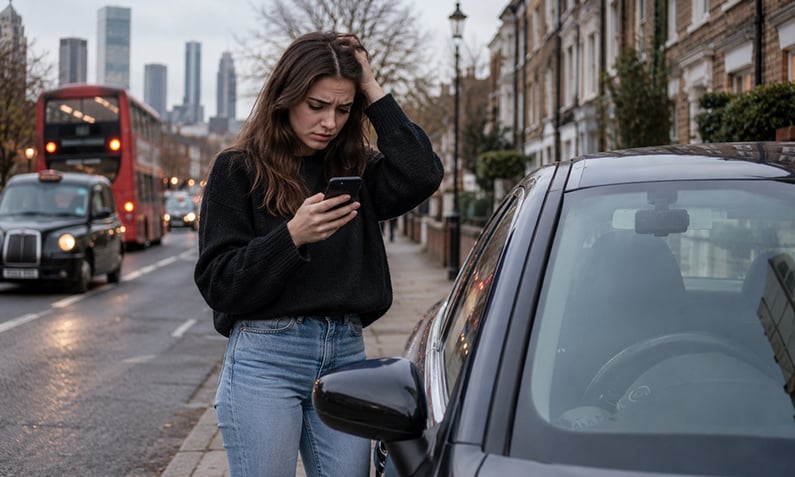




Disadvantages of Black Box Car Insurance

Written by Pratik Aghera
Reviewed by Prajesh Manvar
7 min read
Updated: 8 Oct 2026
Disadvantages of Black Box Car Insurance

The disadvantages of black box car insurance centre on the fact that a telematics device tracks how, when and where you drive, and your premium, and even your cover, can move against you based on that data. A black box (also called telematics) is a small device fitted to your car, or an app on your phone, that records driving behaviour such as speed, braking, cornering and the time of day you travel. Insurers use that record to set a driving score and adjust your price.

For most FPC car insurance buyers, who are aged around 50 and choosing comprehensive cover, a black box rarely stacks up because the savings are largely built for higher-risk drivers. The trade-offs matter most for the group these policies target: new, young and first-time drivers who want cheaper cover but must accept scoring rules, potential mid-policy price rises and fees the standard market does not charge.

Free Price Compare lists telematics and standard cover side by side across a panel of 130+ insurers, so you can weigh the real cost of a black box against an ordinary comprehensive quote before committing.

Quick Answer: Disadvantages of Black Box Car Insurance

  • Night-driving penalties are the most common complaint: most UK policies lower your score for miles driven roughly 11pm-5am rather than banning driving outright, but some cap night journeys at 10-15 a month.
  • A consistently low driving score can raise your premium mid-policy or, in the worst cases, trigger cancellation, which then makes future cover harder and dearer to get.
  • Extra fees are common: box removal can cost around £50-£100, missed-installation charges around £40-£50, and transferring a box to a new car around £80-£180.
  • Standard cover often becomes cheaper than telematics after your first year of no-claims, so always quote both at renewal.
  • The ABI recorded an average motor premium of £560 in Q1 2026; a 17-year-old averaged £1,932 in Q3 2025, which is why black boxes mainly suit young drivers, not the typical older buyer.

Last updated: September 2026

Written by the Free Price Compare editorial team | Reviewed September 2026

Who black box car insurance actually suits

Black box car insurance mainly suits higher-risk drivers, particularly new and young drivers, who face very high standard premiums and can accept driving-behaviour monitoring in return for a lower price. Telematics cover uses a device or app to score your driving, and the discount is largest where the standard market prices you as risky. According to the ABI Motor Insurance Premium Tracker, the average motor premium was £560 in Q1 2026, while a 17-year-old averaged £1,932 in Q3 2025, roughly three and a half times the market average, which explains why telematics is built around younger drivers.

For the typical Free Price Compare buyer, who is aged around 47-50 and holds decades of driving history, a black box usually adds constraints without a matching saving. Free Price Compare data for January to June 2026 shows the average buyer has held a licence for around 21-27 years, and drivers in the 56-75 range convert best; that profile already earns competitive standard prices. If you are insuring a teenager or a first car, though, the maths can be different, and it is worth comparing a telematics quote against standard cover rather than assuming either is cheaper.

Are there curfews or mileage limits on black box policies?

Curfews are rare on most modern UK black box policies, which do not impose a hard curfew that stops you driving, but many reduce your driving score for miles driven late at night, and some cap night journeys or annual mileage. Night-driving penalties typically apply between roughly 11pm and 5am, when collision risk is statistically higher, and are applied as a lower score per mile rather than a ban. A smaller number of insurers limit night trips to around 10-15 a month, or add a per-mile surcharge on late journeys.

Mileage caps are the other common restriction. If your policy sets an annual mileage limit and you exceed it, you may be charged a fee, though some insurers let you buy extra miles in advance or adjust the premium instead. The practical problem is that shift workers, students and anyone with irregular hours can see scores fall for driving they cannot avoid.

  • Night scoring: lower points for miles driven roughly 11pm-5am on most policies.
  • Journey caps: some insurers limit night trips to around 10-15 a month.
  • Mileage limits: exceeding your agreed annual mileage can trigger a fee or a repriced premium.
  • Speed thresholds: repeatedly exceeding the limit lowers your score and can raise your price.

Compare telematics and standard quotes side by side

Can my premium go up or my policy be cancelled with a black box?

Yes, with a black box your premium can rise mid-policy and, if your driving score falls far enough, your insurer can cancel the policy. Telematics contracts typically let the insurer reprice or terminate cover based on your ongoing score rather than fixing the price for 12 months. Most insurers treat a score of around 70-100 as safe; below roughly 60 you usually get warnings, and a score that stays very low, often below 40, can lead to cancellation at the next monthly check.

A mid-policy cancellation is the most serious disadvantage because of what happens next. A cancelled policy has to be declared on future applications and generally makes new cover more expensive and harder to arrange, the same way any other insurer cancellation would. For a new driver, that can undo the entire reason for choosing a black box in the first place. If you are buying to keep costs down, it is worth reading our wider tips for reducing a car insurance premium before locking into a scoring-based contract.

What happens if the black box records inaccurate data or wrong speeds?

If a black box records inaccurate data, such as a GPS speed spike or a hard-braking event you did not cause, it can lower your score and, over time, affect your price, and you generally have to raise a dispute to have it reviewed. App-based telematics is more prone to this because accuracy depends on phone signal, phone placement and battery. You do not own the raw data and rarely see exactly how the score is calculated, which makes costly a reading harder.

If you believe your insurer has treated you unfairly over disputed data or a cancellation, you can escalate a complaint and, if unresolved, refer it to the Financial Ombudsman Service. Insurers must also handle your driving data in line with UK GDPR and the Data Protection Act 2018, overseen by the ICO, so you have the right to ask what is held about you.

Can my premium go up or my policy be cancelled with a black box

The fees and hidden costs to expect

Fees are a defining downside of black box policies, which can carry charges that standard car insurance does not, including charges for box removal, missed installation appointments, transferring the device to a new car and early cancellation. These are set by the insurer, not a regulator, so they vary, but they are a real part of the total cost. Removing a box after your policy ends often costs around £50 to £100, and a missed installation appointment is commonly around £40 to £50, with some insurers charging around £45 to £90 depending on the policy.

Fee type Typical range
Box removal at end of policy around £50-£100
Missed installation appointment around £40-£50
Transfer box to a new car around £80-£180
Mid-policy cancellation charge (provider example) around £75 plus time-on-cover charge

Figures are indicative and may change.

Two points catch drivers out most. First, if you change cars during the policy term, the device usually needs removing and refitting, which can add a transfer charge. Second, never disconnect or switch off a box yourself: doing so can invalidate the policy, lead to cancellation and a penalty fee, and in a serious claim the insurer will become aware the device was tampered with. If tampering breaks the box, you can also be billed for a replacement.

Not sure a black box is right for you?

Compare standard and telematics car insurance from 130+ insurers in one search.

Does a black box track my location and invade my privacy?

A black box tracks your location, speed, journey times and driving style continuously while you drive, which is a genuine privacy trade-off some drivers are unwilling to make. Telematics providers collect this data to build your score, and you do not own that data or usually control how the scoring model weights it. Telematics providers have reported that many UK motorists remain reluctant to share driving data because of privacy concerns.

Your data is protected under UK GDPR and the Data Protection Act 2018, and insurers are bound by the FCA’s Consumer Duty to treat customers fairly, so this is monitoring within a regulated framework rather than unlimited surveillance. Even so, if you are uncomfortable with an insurer logging where and when you drive, that discomfort is a valid reason to compare non-telematics options. You can weigh both approaches through our young driver car insurance guidance.

Is black box car insurance worth it in the long run?

Black box car insurance is often not the cheapest option beyond the first year, because once you build a clean claims record and driving history, standard insurers compete harder on price. Telematics can cut a new driver’s day-one premium meaningfully, and the discount is real for the highest-risk profiles. The catch is that after 12 months of no-claims, an ordinary comparison-site quote frequently beats the telematics renewal for the same cover.

By age 20 or 21, many drivers find a standard policy, a sensibly structured named-driver arrangement or an occupation-rated quote comes in below the telematics price without any scoring restrictions. The practical rule is to quote both every renewal rather than auto-renewing the box. Free Price Compare data for January to June 2026 shows around a third of car insurance quotes come from drivers with zero years of no-claims, so many buyers start where telematics helps most, then move past that point within a year or two. Our guide to affordable young driver insurance sets out the alternatives worth pricing alongside a box.

See how telematics compares to standard cover

Black box disadvantages, weighed against the savings

The core disadvantages of black box car insurance are night-driving penalties, potential mid-policy price rises and cancellation, extra fees, privacy monitoring and the risk of paying more than standard cover after year one. Against those, the main advantage is a lower starting premium for higher-risk drivers, particularly 17-24s who can see substantial day-one reductions versus standard cover. According to the ABI Motor Insurance Premium Tracker, a 17-year-old averaged £1,932 in Q3 2025, so day-one telematics savings against that base can be significant. Whether that trade is worth it depends almost entirely on your age, driving pattern and how long you plan to stay on the policy.

For a careful new driver who drives mostly in daytime, keeps within mileage limits and reviews the price every renewal, a black box can be a sensible short-term route to affordable cover. For the typical older FPC buyer with a long licence history and no need for monitoring, standard comprehensive cover usually wins on both price and flexibility. There is also a regulatory backdrop worth noting: in December 2025 a coroner’s Prevention of Future Deaths report, addressed to bodies including the FCA and ABI, raised concerns about how consistently telematics is applied and how clearly its rules are explained to young drivers, and the Chartered Insurance Institute launched a telematics consultation in 2026. Comparing both cover types on a new driver car insurance basis is the safest way to see which costs less for you.

Black box disadvantages, weighed against the savings

Compare car insurance across 130+ insurers

FAQs about disadvantages of black box car insurance

What is black box car insurance?

Black box car insurance, also called telematics, uses a small device fitted to your car or an app on your phone to record how, when and where you drive. Data such as speed, braking, cornering, mileage and time of day is used to set a driving score. Your insurer then uses that score to set or adjust your premium. It is aimed mainly at higher-risk drivers who would otherwise pay very high standard prices.

Can my policy really be cancelled because of a low black box score?

Yes. Most telematics contracts allow the insurer to raise your premium mid-policy or cancel your cover if your driving score falls too low and stays there, often below around 40. A cancellation must be declared on future insurance applications, which typically makes new cover more expensive and harder to arrange. If you feel a cancellation was unfair, you can complain to the insurer and then refer it to the Financial Ombudsman Service.

Do black box policies have a curfew that stops me driving at night?

Most UK black box policies no longer use a hard curfew that legally stops you driving. Instead, they lower your driving score for miles driven late at night, usually between around 11pm and 5am, because collision risk is higher then. A minority of insurers cap night journeys at roughly 10 to 15 a month or add a surcharge. Persistent low scores from night driving can still push your price up over time.

Will my insurer know if I unplug or turn off the black box?

Yes. Disconnecting, removing or switching off a black box before your policy ends can invalidate your cover and lead to cancellation and a penalty fee. Insurers detect a device that stops transmitting, and in the event of a serious claim they will become aware the box was tampered with. If tampering damages the device, you can also be charged for a replacement, so never self-remove a box.

What fees can black box car insurance add?

Black box policies can carry fees that standard cover does not. Removing the device at the end of your policy often costs around £50 to £100, a missed installation appointment around £40 to £50, and transferring a box to a new car around £80 to £180. Some insurers also charge a mid-policy cancellation fee, commonly around £75 on top of a charge for the cover you have used. Always check the fees schedule before you buy.

Does a black box track my exact location?

Yes, a black box records your location, journey times, speed and driving style continuously while you drive. You do not own that data and rarely see exactly how your score is calculated. The information is protected under UK GDPR and the Data Protection Act 2018, and you can ask your insurer what data is held about you. If continuous location tracking concerns you, a standard non-telematics policy avoids it.

What happens if the black box records the wrong speed or a braking event I did not cause?

Inaccurate readings can happen, especially with app-based telematics, where phone signal, handset placement and battery affect accuracy. A wrong reading can lower your score and, over time, your price, so you would normally need to raise a dispute with your insurer for it to be reviewed. Keep a note of the journey details. If the insurer will not correct a clear error, you can escalate the complaint to the Financial Ombudsman Service.

Is a black box mandatory for new or young drivers?

No, a black box is not mandatory in the UK. It is one option for reducing the cost of cover, not a legal requirement. New and young drivers can choose standard comprehensive, third party fire and theft, or third party only cover instead, and can lower costs in other ways such as a higher voluntary excess, a smaller-engine car or a sensible named driver. Telematics simply tends to be cheaper for the highest-risk profiles.

Is black box insurance still worth it after my first year?

Often not. Once you have a year of no-claims and some driving history, standard insurers compete harder on price and frequently beat the telematics renewal for the same cover. Many drivers find that by age 20 or 21 an ordinary quote comes in below their black box price without any scoring restrictions. The practical rule is to quote both telematics and standard cover at every renewal rather than automatically renewing the box.

What is the cheapest way to insure a first car and a new driver?

There is no single cheapest route because it depends on the car, the driver's age and where they live, so comparing several approaches matters. Options that often help include choosing a low insurance-group car, adding an experienced main driver honestly and correctly, increasing the voluntary excess, and pricing a telematics quote against standard cover. A black box can be cheapest for the highest-risk drivers on day one, but a standard policy may win once no-claims builds up.

Do black box policies limit how many miles I can drive?

Some do. If your policy sets an annual mileage limit and you exceed it, you can be charged a fee or have your premium adjusted to reflect the higher mileage. Some insurers let you buy extra miles in advance if you know you will drive more. High-mileage or irregular-pattern drivers, such as shift workers, should check the mileage terms carefully, as they can make a black box less cost-effective than standard cover.

Are app-based telematics policies less reliable than a fitted box?

App-based telematics can be less precise than a dedicated fitted device because it depends on phone signal, where the phone sits in the car and battery life. It can also be affected if someone else drives the car with your phone, and it drains your handset. A hardware box is generally more accurate but involves an installation appointment. Neither is faultless, so it is worth choosing the format that matches how you actually drive.

Also Read Related Articles


Information correct as of 12 September 2026. Prices, tariffs, policy details and providers change frequently, so please check the latest details before making a decision. This article is for general information only and does not constitute financial advice. Free Price Compare is authorised and regulated by the Financial Conduct Authority (FCA).

4000+ reviews