





Performance Car Insurance: Costs and How to Cut Them

Written by Prajesh Manvar
Reviewed by Shay Ramani
6 min read
Updated: 8 Oct 2026
Performance Car Insurance: Costs and How to Cut Them

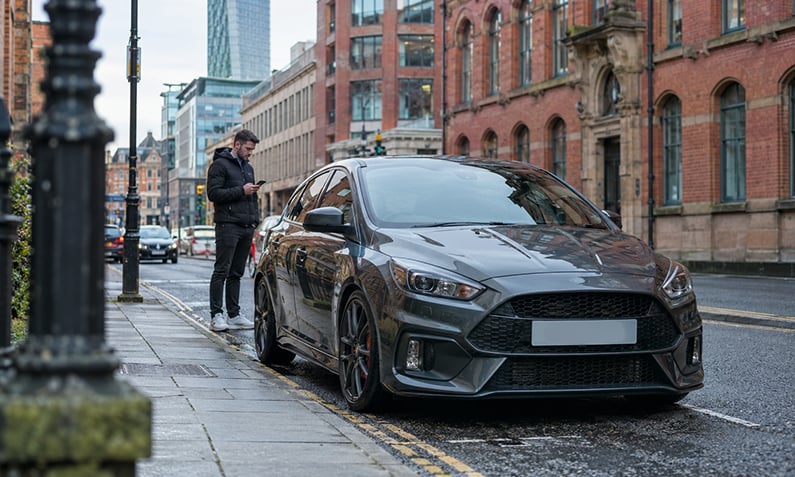
Performance car insurance is specialist cover for cars with high engine power, high value or a high insurance group rating, such as hot hatches, sports cars, 4x4s and supercars. It costs more than standard cover because these vehicles are faster, more expensive to repair and more likely to be targeted by thieves, so insurers price them as higher risk.

For most drivers the sensible route is a comprehensive policy from a mainstream or specialist insurer, compared side by side. Free Price Compare checks car insurance across a panel of 130+ insurers, and around 88-89% of the car insurance quotes run through the site are for comprehensive cover (Free Price Compare data, Jan-Jun 2026), which is the cover level most performance-car owners want.

This explainer covers what counts as a performance car, why premiums are higher, practical 2026 price ranges by insurance group, and the steps that can bring the cost down without leaving you underinsured.

Quick Answer: Performance Car Insurance

  • A performance car is broadly any car with a high power-to-weight ratio, high value or a high Thatcham/ABI insurance group (typically groups 25-50).
  • The ABI put the average price paid for comprehensive motor cover at £560 in Q1 2026; performance cars usually sit well above this because of higher repair and theft risk.
  • Modifications almost always raise your premium and must be declared – non-disclosure can void a claim under the terms of your policy.
  • Agreed value cover fixes an agreed payout for a total loss, which matters for rare or appreciating performance cars where a standard market-value settlement may fall short.
  • You can cut the cost with a higher voluntary excess, secure overnight parking, a Thatcham-approved tracker, limited mileage and comparing across specialist and mainstream insurers.

Last updated: August 2026

Written by the Free Price Compare editorial team | Reviewed August 2026

What counts as a performance car for insurance?

A performance car, for insurance purposes, is any car insurers judge to have significantly higher speed, power or value than an ordinary family model, which usually places it in a higher insurance group. There is no single legal definition, so insurers rely on the vehicle’s specification, its power-to-weight ratio, its market value and its insurance group rating set by the Thatcham Research group rating panel, which the Association of British Insurers (ABI) publishes.

The insurance group scale runs from 1 (cheapest to insure) to 50 (most expensive). Warm and hot hatches often sit in higher insurance groups, sports cars usually sit higher still, and supercars are generally at the top of the scale. A performance 4×4 or fast estate can land anywhere across these bands depending on engine size and value.

  • Hot and warm hatches – fast versions of everyday cars, such as an RS, GTI or R model.
  • Sports cars – two-seat and coupe models built for handling and speed.
  • Performance 4x4s and SUVs – high-powered off-roaders and large SUVs.
  • Supercars and high-value models – low-volume, high-value cars in the top insurance groups.
  • High-performance electric and hybrid cars – EVs and hybrids with rapid acceleration and high repair costs.

Factory-standard performance cars are often easier and cheaper to place than heavily modified ones.

Compare performance car cover across 130+ insurers

Why is performance car insurance so expensive?

Performance car insurance is expensive because faster, higher-value cars cost insurers more when things go wrong. A powerful engine raises the statistical likelihood of a serious accident, specialist parts and paint push up repair bills, and desirable models are more attractive to thieves. Insurers price all three risks into the premium.

Repair cost is a large part of it. The ABI reported in April 2026 that repair costs remained high even as average motor premiums steadied. Across the whole market, the ABI said £11.9 billion was paid out in 2025 on 2.5 million motor claims. Performance cars sit at the expensive end of that repair spectrum because of their parts, technology and finish.

Value is the other driver. If a total loss means writing off a car worth £40,000 rather than £8,000, the insurer’s exposure is far higher, and that feeds straight into the price. Advanced driver assistance systems and sensors on modern performance cars also raise repair complexity, a point we cover in our guide to the impact of ADAS on insurance costs.

How much does performance car insurance cost in 2026?

Performance car insurance in 2026 typically costs several times the market average, with prices scaling sharply by insurance group, driver age and postcode. The ABI put the average price paid for private comprehensive motor insurance at £560 in Q1 2026, down from £580 in Q1 2025. Performance cars usually sit well above that average because of their group ratings.

The figures below are indicative market ranges drawn from specialist commentary rather than official regulator data, and a real quote depends heavily on your age, claims history and location. Treat them as a rough guide to how price scales with insurance group, not a promise.

Vehicle type Typical insurance group Indicative annual premium
Warm/hot hatch 25-30 Around £900-£1,600
Fast hatch/estate 30-36 Around £1,300-£2,200
Sports car 35-42 Around £1,500-£2,800
High-performance/supercar 43-50 £2,500 or more

Figures are indicative and may change. A younger or higher-risk driver can pay multiples of these amounts, while a mature driver with a long no-claims record and secure parking can pay considerably less.

For context on the wider market, broad comprehensive premiums have been falling: independent tracking from Willis Towers Watson (WTW) put the average comprehensive premium at around £711 in February 2026, down about 9% over 12 months. That softening helps, but performance cars still start from a higher base.

How much does performance car insurance cost in 2026

Get a performance car quote in minutes

Compare comprehensive cover from mainstream and specialist insurers side by side

Does modifying my car affect my premium?

Modifying your car almost always affects your premium, and every modification must be declared to your insurer. A modification is any change from the manufacturer’s standard specification, from an exhaust or remap to alloy wheels or suspension. Insurers rate performance-enhancing changes as added risk and cosmetic changes as added theft appeal, so both can raise the price.

Declaring modifications is not optional. If you fail to disclose a change and later make a claim, the insurer can reduce the settlement or refuse the claim entirely, and can treat the policy as if it never existed. Non-disclosure is the single most common reason performance-car claims are disputed.

  • Engine and performance changes – remaps, turbo upgrades and exhausts usually raise premiums the most.
  • Cosmetic changes – body kits, wraps and alloys can raise theft risk ratings.
  • Security upgrades – a Thatcham-approved alarm or tracker can reduce the premium.

Some upgrades cut the price rather than raise it. A Thatcham-approved immobiliser or tracker is one of the few modifications insurers reward. If you drive a modified performance model, a specialist insurer that understands modified cars often prices it more fairly than a mainstream panel.

Cheap sports car insurance: how to bring the price down

Cheap sports car insurance is realistic if you reduce the risk you present and compare widely, even though sports cars start from a higher price. The biggest levers are where the car is kept overnight, how far you drive, your voluntary excess, and how many insurers you compare, including specialists that a single quote never reaches.

  • Secure overnight parking – a locked garage or driveway usually beats on-street parking.
  • Limited mileage – a low annual mileage limit suits weekend and second cars and cuts the price.
  • Higher voluntary excess – agreeing to pay more towards a claim lowers the premium, but only set it at a level you could afford.
  • Thatcham-approved tracker – reduces theft risk on desirable models.
  • Protect your no-claims bonus – a long no-claims record is one of the strongest discounts on any policy.

Comparing matters most for performance cars because prices vary so widely between insurers. Free Price Compare checks a panel of 130+ insurers, and you can start with our dedicated sports car insurance comparison to see how quotes differ across mainstream and specialist providers.

See sports car quotes side by side

Cheap 4×4 insurance and performance SUVs

Cheap 4×4 insurance depends heavily on which 4×4 you drive, because the category spans everything from a modest compact SUV to a 500bhp performance model. A standard family 4×4 can sit in a low insurance group, while a high-powered performance SUV can rival a sports car for cost, so the group rating matters more than the body shape.

4×4 insurance is car insurance for four-wheel-drive vehicles, priced on the same factors as any car: value, power, repair cost, theft risk and driver profile. Large SUVs often cost more to repair because of their size and technology, and high-performance versions add engine power to that. Keeping mileage sensible, parking securely and comparing widely all help.

If you are weighing running costs across vehicle types, our comparison of an e-scooter, bicycle, moped and car for city travel puts the total cost of a large car in context, and tyre choice on heavier and faster vehicles matters for both safety and claims, as our tyre safety guide explains.

What is hybrid and electric performance car insurance?

Hybrid and electric performance car insurance is standard car insurance adapted for the higher repair costs and specialist parts of electrified high-performance cars. Hybrid car insurance covers a car with both a petrol or diesel engine and an electric motor, while electric car insurance covers a fully battery-powered vehicle, and both are priced on value, power and repair complexity like any other car.

Fast EVs and hybrids can be expensive to insure because their acceleration, battery packs and driver-assistance systems all raise potential repair bills. Battery damage in particular can be costly to assess and repair. On the other hand, many performance EVs qualify for competitive quotes once insurers factor in low theft rates for some models and strong safety ratings.

For a full cost breakdown of electrified cover, see our guide to hybrid car insurance and EV cover, and if you own an EV it is worth separating fact from fiction in our EV insurance myths guide before you assume electric means expensive.

Compare electric and hybrid car cover

Do you need a specialist performance car insurer?

You do not always need a specialist performance car insurer, but for high-value, rare or modified cars a specialist often prices the risk more fairly than a mainstream panel. A specialist performance insurer is one that focuses on high-performance, classic, modified or supercar risks and understands features such as agreed value, track-day extensions and limited-mileage cover.

Agreed value cover is worth understanding here. It fixes a payout figure with the insurer at the start of the policy, so a total loss pays the agreed amount rather than a disputed market value. That protection matters for rare or appreciating performance cars, where a standard settlement may not reflect what the car is really worth.

All UK motor insurers, mainstream and specialist alike, are authorised and regulated by the Financial Conduct Authority (FCA), and every car on a public road must be insured to at least third-party level under the Road Traffic Act 1988. The practical answer for most owners is to compare both mainstream and specialist quotes rather than assume one is always cheaper. If you are also arranging finance on a performance model, our electric car finance comparison shows how the total cost of credit interacts with running costs.

Do you need a specialist performance car insurer

FAQs about performance car insurance

What is performance car insurance?

Performance car insurance is cover designed for cars with high power, high value or a high insurance group rating, such as hot hatches, sports cars, performance 4x4s and supercars. It works like standard car insurance but is priced for the higher accident, repair and theft risk these vehicles carry. Cover is available at third-party, third-party fire and theft, or comprehensive levels.

How much does performance car insurance cost in the UK?

Performance car insurance typically costs several times the market average, and prices scale with insurance group, driver age and postcode. The ABI put the average price paid for comprehensive cover at £560 in Q1 2026, and performance models usually sit well above this, from around £900 for a warm hatch to over £2,500 for a supercar in market commentary. A younger or higher-risk driver can pay far more.

Does modifying my car increase my insurance premium?

Yes, most modifications increase your premium, and every change from the manufacturer's standard specification must be declared. Performance upgrades such as remaps and exhausts add risk, while cosmetic changes can raise theft appeal. Failing to declare a modification can allow the insurer to reduce or refuse a claim, so always disclose changes when you buy or renew.

Can more than one person insure the same car?

One car should have one main policy in the name of the main driver, but that policy can list several named drivers who are all covered to drive it. Taking out two separate policies on the same car is usually unnecessary and can cause problems at claim time. If someone else is the main driver, they should be the policyholder to avoid a practice known as fronting, which is not permitted.

What is agreed value cover and do I need it?

Agreed value cover fixes a payout figure with your insurer at the start of the policy, so a total loss pays that agreed amount rather than a disputed market value. It is worth considering for rare, modified or appreciating performance cars where a standard market-value settlement may fall short. For a common, easily valued model it is often less necessary.

Is a specialist performance car insurer cheaper than a mainstream one?

Not always, but a specialist can price high-value, rare or modified cars more fairly because it understands the risk and offers features like agreed value and track-day extensions. Mainstream insurers can be competitive on standard performance models. The most reliable approach is to compare quotes from both mainstream and specialist providers rather than assuming one is cheaper.

How can young drivers get affordable performance car cover?

Young drivers face the highest performance car premiums, but a black box or telematics policy, a lower insurance group model, a named experienced driver and a higher voluntary excess can all reduce the price. Choosing a less powerful version of a sporty car and keeping annual mileage low also help. Comparing widely across insurers is essential because prices vary hugely at younger ages.

Are performance 4x4s expensive to insure?

It depends on the model, because 4x4s range from modest compact SUVs in low insurance groups to high-powered performance SUVs that rival sports cars. Large SUVs can cost more to repair because of their size and technology, and high-performance versions add engine power to that risk. Sensible mileage, secure parking and comparing quotes keep the cost down.

Does a tracker or alarm reduce performance car insurance?

A Thatcham-approved tracker, immobiliser or alarm can reduce your premium because it lowers the theft risk on desirable performance cars. Security devices are among the few modifications that insurers reward rather than penalise. Fitting an approved device and keeping the car in a locked garage overnight both signal lower risk to the insurer.

What happens to my premium if I claim on a performance car?

Making an at-fault claim usually increases your next premium and can reduce or reset your no-claims bonus unless you have protected it. The rise tends to be sharper on performance cars because the potential repair and replacement costs are higher. Protecting your no-claims bonus in advance limits the impact, though it does not stop the underlying premium from rising after a claim.

Do electric and hybrid performance cars cost more to insure?

High-performance EVs and hybrids can cost more to insure because of their acceleration, expensive battery packs and complex driver-assistance systems, which raise repair bills. Battery damage in particular can be costly to assess. That said, some electric performance models attract competitive quotes thanks to strong safety ratings and lower theft rates, so it is worth comparing rather than assuming electric means dearer.

Also Read Related Articles


Information correct as of 25 August 2026. Prices, tariffs, policy details and providers change frequently, so please check the latest details before making a decision. This article is for general information only and does not constitute financial advice. Free Price Compare is authorised and regulated by the Financial Conduct Authority (FCA).

4000+ reviews