




Compare Motorhome Insurance: A Practical 2026 Buyer’s Guide

Written by Andrea Troy
Reviewed by Tim Bailey
6 min read
Updated: 16 Nov 2026
Compare Motorhome Insurance: A Practical 2026 Buyer’s Guide

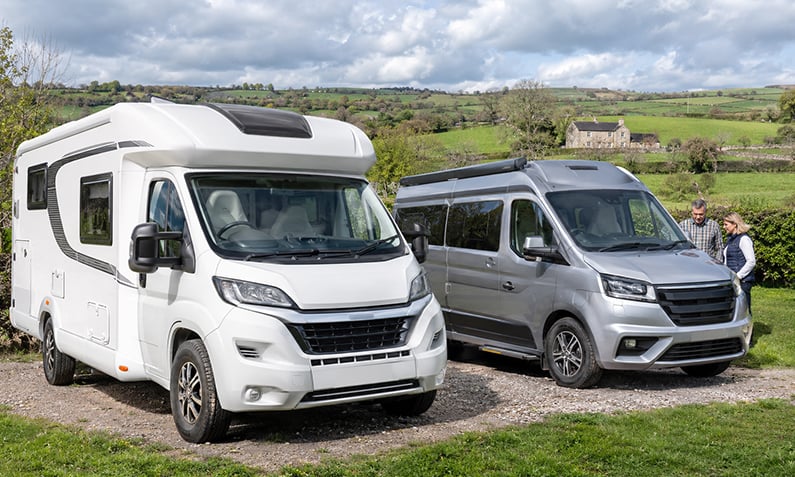
Compare motorhome insurance by looking past the headline price to the cover level, the sum insured, the excess and the valuation basis, because a cheaper quote that pays out less after a claim is rarely the better deal. Motorhome cover is a specialist product that insures both the vehicle and, usually, the belongings and conversion inside it, so the right policy depends on your vehicle type, how you use it and where you store it.

Prices vary widely by provider and customer. Ripe says 3 in 10 customers paid under £275 for cover bought without optional extras or Premium Credit between January and September 2026; higher-value A-class models and American RVs can cost well over £1,000 a year. Those figures are not like-for-like, which is exactly why comparing quotes on matched cover matters.

Free Price Compare helps UK households weigh cover against price across insurance types, and the trade-offs in plain English so you can judge a quote on value, not just the number at the top.

Quick Answer: Compare Motorhome Insurance

  • Motorhome cover is specialist – standard car insurance will not do.
  • Ripe says 3 in 10 new customers paid under £275 (Jan-Sep 2026, no extras).
  • Agreed value fixes a payout figure so you avoid a disputed market value.
  • Higher excess lowers your premium but costs more after any claim.
  • Monthly premium finance usually adds interest to the advertised price.

Last updated: November 2026

Written by the Free Price Compare editorial team | Reviewed November 2026

What motorhome insurance actually covers

Motorhome insurance is a specialist policy that covers the vehicle itself plus, in most cases, the fitted conversion, contents and personal belongings you carry inside it. It combines motor cover, which is a legal requirement under the Road Traffic Act 1988, with home-from-home elements that standard car or van policies do not include. That is why a dedicated motorhome or campervan policy is the norm rather than the exception.

Cover comes at three main levels. Third-party only meets the legal minimum and pays for damage or injury you cause to others, but nothing for your own vehicle. Third-party, fire and theft adds protection if your motorhome is stolen or catches fire. Comprehensive is the widest level and also covers accidental damage to your own vehicle. Most owners choose comprehensive because the vehicle and its fitted interior represent a large sum at risk.

Beyond the cover level, good motorhome policies typically extend to awnings, gas equipment, solar panels, bikes carried externally and the contents of lockers and cupboards. Check the single-item limit and the overall contents limit, because expensive gear can exceed a standard cap.

How much does motorhome insurance cost in the UK?

Motorhome insurance costs vary enormously, with provider price examples in 2026 ranging from the low hundreds to over £1,000 a year for high-value vehicles. There is no single UK average you can rely on, because quotes depend on the vehicle, the driver and the cover chosen. The figures below are provider-specific price examples, not market averages, and each applies to a different customer group and cover type.

Provider / vehicle example Reported price Basis
Ripe – new customers (Jan-Sep 2026) 3 in 10 paid under £275 No optional extras or premium finance
Safeguard UK (Dec 2025-May 2026) 10% of new customers paid £440 Excludes extras and finance
Small campervan conversion Around £300 Third-party market estimate
Coachbuilt tourer Around £450 Third-party market estimate
High-value A-class or American RV Can exceed £1,000 Third-party market estimate

Price valid as of 09/11/2026

Figures are indicative and may change. Provider examples (Ripe, Safeguard UK) are drawn from each insurer’s own published pricing for defined periods; the vehicle-type estimates are broad market ranges and are not verified against an official dataset.

The practical takeaway: a quote is only meaningful once you match the cover level, the excess and the valuation basis. A low advertised figure that excludes extras or assumes a high excess is not comparable to a fully loaded comprehensive quote.

Compare motorhome and campervan cover

Do I need specialist insurance or can I use car insurance for a motorhome?

You need specialist motorhome insurance; standard car insurance will not legally or adequately cover a motorhome. A motorhome is classed differently to a car, and its fitted living area, higher value and seasonal use pattern fall outside what a car policy underwrites. Attempting to insure a motorhome on a car policy risks the cover being invalid when you most need it.

Specialist insurers price in the realities of motorhome ownership, such as low annual mileage, long periods in storage, and the cost of rebuilding a bespoke conversion. Many specialist policies include features car insurance never does, like European use for touring, cover for the gas and electrical fit-out, and limited cover while the vehicle is laid up over winter. For van conversions and self-builds, declaring the vehicle accurately as a campervan rather than a plain van is important, because misdescribing it can affect a claim.

If you are converting a van, our guide to cheap camper van insurance in the UK explains how insurers treat conversions and what proof of the fit-out they typically want.

Is agreed value worth it for a motorhome?

Agreed value motorhome insurance is a basis where you and the insurer fix the payout figure in advance, so a total-loss claim pays that agreed amount rather than a disputed market value. It is often worth it for self-builds, professional conversions, imports and modified or classic motorhomes, where standard market-value books undervalue the vehicle and the money you have spent on the interior.

With a standard market-value policy, the insurer decides what your motorhome was worth at the time of loss, which can fall short of what you paid or invested. Agreed value removes that uncertainty, usually in exchange for photos, receipts and sometimes an independent valuation at the outset. For a factory-standard motorhome that holds a well-documented market price, market value may be perfectly adequate and slightly cheaper.

Ask whether the agreed figure is reviewed at renewal, because values move, and confirm what evidence the insurer needs upfront. Getting the valuation right before you buy avoids a shortfall after a write-off.

Is agreed value worth it for a motorhome

Weigh cover against price in minutes

Compare quotes on matched cover levels so you judge value, not just the headline figure.

What affects your motorhome insurance quote?

Your motorhome insurance quote is shaped mainly by the vehicle, the driver and how and where you use the motorhome. Insurers weigh these factors together, so changing one, such as where you store the vehicle overnight, can move the price noticeably. Knowing the levers helps you get a fair quote without under-insuring.

  • Vehicle make, model, age and value, including whether it is a coachbuilt, A-class, panel van conversion or self-build.
  • Where the motorhome is stored overnight, with secure or off-road storage usually rated more favourably than roadside parking.
  • Annual mileage and how you use it, since low-mileage leisure use is treated differently to full-time living.
  • Driver age, number of named drivers, claims history, convictions and any no-claims discount you have built up.
  • The excess you choose and the cover level, with a higher voluntary excess lowering the premium but costing more at claim time.
  • Personal belongings, awnings and optional extras, plus whether you pay annually or by premium finance.

No-claims discount carries over between years and, with some insurers, can be mirrored onto a second vehicle. One recurring misconception is that an engine fire or mechanical failure is always covered; policies vary, and some exclude or limit certain mechanical and electrical failures, so read the exclusions before assuming you are protected.

How to get cheaper motorhome insurance without under-insuring

You can get cheaper motorhome insurance by matching cover accurately to your needs rather than stripping protection you may later require. The aim with cheap motorhome insurance in the UK is a fair price on the right cover, not the lowest number at any cost. A few practical steps make the biggest difference.

  • Store the vehicle securely off-road or in a dedicated storage site and tell the insurer, as this often reduces the premium.
  • Set a limited-mileage policy if you only tour occasionally, since leisure-only use is cheaper to insure than high or unlimited mileage.
  • Build and protect a no-claims discount, and ask whether an insurer will mirror an existing discount from another vehicle.
  • Choose a sensible voluntary excess you could afford, rather than the highest figure just to cut the premium.
  • Pay annually where you can, because premium finance adds interest, so monthly plans cost more than the advertised example price.

Specialist brokers and insurers often price niche motorhomes more keenly than mainstream providers, which is why so many owners find their best motorhome insurance through a specialist route. Comparing on a matched basis is the surest way to see whether a lower price reflects better value or simply thinner cover. Our motorhome insurance comparison guide walks through how to line quotes up like-for-like.

Get a motorhome insurance quote

Optional extras: breakdown cover, European use and more

Optional extras let you tailor a motorhome policy to touring and full-time use, with motorhome breakdown cover and European use among the most common add-ons. Standard breakdown products are not always suited to the size and weight of a motorhome, so dedicated cover designed for larger vehicles is worth checking before you travel.

Useful extras to weigh up include European breakdown and recovery for continental trips, which many owners search for as EU motorhome breakdown cover; cover for awnings, gas and solar equipment; replacement-vehicle or alternative-accommodation cover after a claim; and legal expenses. Each adds to the price, so include the ones you will actually use when you compare, and leave off the rest so your quotes stay comparable.

Also confirm the geographical limit and the maximum days abroad allowed, because policies differ on how long you can tour the continent in a single trip before cover lapses.

Full-time living, short-term cover and licence questions

You can insure a motorhome you live in full-time, but you must declare full-time use, because not disclosing it can invalidate a claim. Full-timer policies are a recognised specialist product and typically widen the contents and liability cover to reflect that the motorhome is your main home. Standard leisure-use cover is not designed for permanent living, so the right declaration protects your claim.

Short-term motorhome insurance is available from some providers, usually in day or monthly blocks, which suits occasional hire, a one-off trip or covering a vehicle between owners. It is generally more expensive per day than an annual policy, so it only makes sense for temporary needs.

On driving entitlement, whether you need a C1 licence depends on the vehicle’s weight. Drivers who passed their test from 1 January 1997 can generally drive a motorhome up to 3,500kg on a standard category B licence, while heavier motorhomes require a C1 entitlement; check the vehicle’s maximum authorised mass and your own licence categories with the DVLA before you buy. Getting the licence question right matters, because driving outside your entitlement can affect both legality and cover.

See home and motor cover options

How to compare motorhome insurance quotes fairly

Comparing motorhome insurance quotes fairly means lining them up on the same cover level, the same excess, the same valuation basis and the same extras, so you are judging value rather than just the headline price. Two quotes that look hundreds of pounds apart may simply differ on excess or on whether agreed value is included. Standardising the inputs is the single most useful thing you can do.

Run each quote on identical details, then check the exclusions, the single-item and total contents limits, the mileage limit and whether cover extends to Europe. Confirm the valuation basis, because an agreed value motorhome insurance quote and a market-value quote are not directly comparable. Finally, compare the annual price against any monthly premium finance figure separately, since finance adds interest.

Free Price Compare lets you weigh cover and price across insurance types in one place, and you can read more market context on our news and guides hub. If you also insure a car, our explainer on black box insurance shows how usage-based pricing can cut premiums on other vehicles, and our piece on how monthly payers can be charged more than annual payers is a useful reminder to check the cost of paying by instalments.

How to compare motorhome insurance quotes fairly

FAQs about motorhome insurance

Do you need a C1 licence to drive a motorhome?

It depends on the motorhome's maximum authorised mass. Drivers who passed their car test from 1 January 1997 can usually drive a motorhome up to 3,500kg on a standard category B licence. Heavier motorhomes above that weight require a C1 entitlement. Check the vehicle plate and your own licence categories with the DVLA before buying or driving.

Can I get short-term motorhome insurance?

Yes, some specialist providers offer short-term motorhome insurance in daily or monthly blocks. It suits occasional hire, a single trip or covering a vehicle between owners. Per-day costs are generally higher than an annual policy, so short-term cover tends to be worthwhile only for temporary use rather than year-round ownership.

Can I live in my motorhome full-time and still get insurance?

Yes, but you must declare full-time living, because standard leisure-use cover is not designed for permanent residence and failing to disclose it can invalidate a claim. Full-timer policies are a recognised specialist product that usually widens contents and liability cover. Tell the insurer exactly how you use the vehicle so your cover reflects it.

Is motorhome insurance cheaper through specialists?

Specialist insurers and brokers often price niche or higher-value motorhomes more competitively than mainstream providers, because they understand low mileage, seasonal use and bespoke conversions. For a factory-standard motorhome a mainstream insurer can still be competitive. The only reliable way to know is to compare quotes on matched cover rather than assuming one route is always cheaper.

What should I expect to pay for campervan insurance?

Campervan insurance prices vary by vehicle, driver and cover. Some providers advertise cover from the low hundreds for smaller or professionally converted vans, while self-builds and high-value conversions cost more. Advertised examples often exclude optional extras and premium finance, so always compare on matched cover and check the valuation basis before deciding.

Do you need insurance for an RV or camper van in the UK?

Yes. To drive or park an RV, camper van or motorhome on UK public roads you must legally have at least third-party insurance under the Road Traffic Act 1988. Most owners choose comprehensive cover, because it also protects their own vehicle and the fitted interior, which represent a large value at risk.

What is the difference between a motorhome, a campervan and an RV?

A motorhome is typically a larger coachbuilt or A-class vehicle with a fixed living area built onto a chassis. A campervan is usually a smaller panel van converted for sleeping and cooking. RV is a broad term often used for large American-style recreational vehicles. Insurers rate each differently, so describe your vehicle accurately when getting a quote.

Does motorhome insurance cover engine fire or mechanical failure?

Cover for engine fire or mechanical and electrical failure varies between policies. Comprehensive cover generally includes fire, but some policies limit or exclude failures caused by wear, breakdown or faulty parts. Always read the exclusions and the policy schedule carefully, and consider separate breakdown cover, so you know exactly what is and is not protected.

Can I transfer my no-claims discount to a motorhome?

Many insurers let you use a no-claims discount built up on a motorhome, and some will mirror an existing discount from another vehicle you insure with them, particularly in the first year. Rules differ by provider, so ask directly whether your existing discount can be applied and what proof they need.

Should I insure my converted van as a van or a campervan?

Insure a properly converted van as a campervan rather than a plain van, as long as the conversion meets the insurer's criteria, such as fitted sleeping, cooking and storage. Misdescribing the vehicle can affect a claim. Specialist insurers usually ask for photos or evidence of the fit-out, and campervan cover often prices leisure use more favourably than commercial van cover.

How does a higher excess affect my premium?

Choosing a higher voluntary excess usually lowers your annual premium, because you agree to pay more towards any claim yourself. The trade-off is that a claim costs you more out of pocket. Set an excess you could afford after an accident rather than picking the highest figure purely to reduce the price.

Is paying monthly more expensive than paying annually?

Paying for motorhome insurance monthly through premium finance usually costs more than paying annually, because the instalment plan adds interest. Advertised example prices from insurers often exclude finance, so the monthly total is higher than the headline figure. If you can pay in one go, compare the annual price against the total monthly cost before deciding.

Also Read Related Articles


Information correct as of 9 November 2026. Prices, tariffs, policy details and providers change frequently, so please check the latest details before making a decision. This article is for general information only and does not constitute financial advice. Free Price Compare is authorised and regulated by the Financial Conduct Authority (FCA).

4000+ reviews