
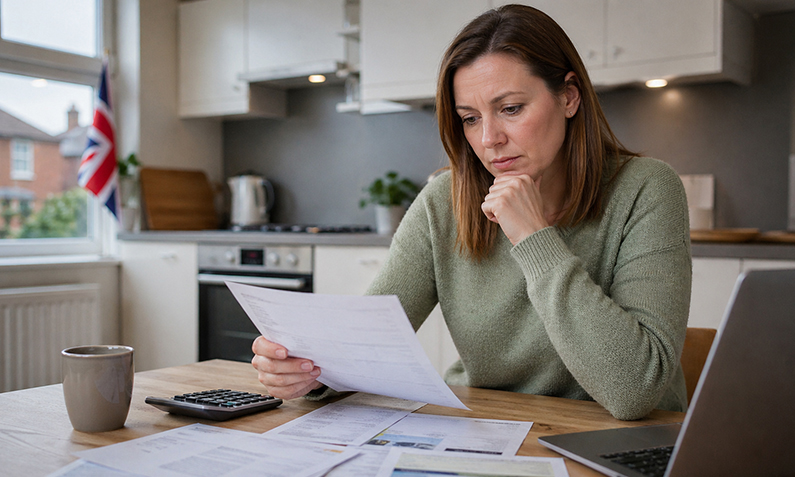




Should I Fix My Energy Prices in 2026?

April 28th, 2026
Should I Fix My Energy Prices in 2026?

Energy prices in the UK remain a key concern for households, especially with ongoing changes to the energy price cap and wider market conditions. Many people are now asking whether they should fix their energy prices in 2026 or stay on a variable tariff.

The right choice depends on market trends, your personal circumstances, and how much certainty you want over your energy bills.

Compare energy prices and see if fixing your tariff could save you money.

What does fixing your energy prices mean?

Fixing your energy prices means agreeing to a fixed tariff with your supplier for a set period, usually 12, 18, or 24 months.

During this time:

  • Your unit rate (price per kWh) stays the same
  • Your daily standing charge is fixed
  • Your bills are more predictable

This differs from variable energy tariffs, including the default tariff, where prices change in line with Ofgem’s price cap.

What is the energy price cap in 2026?

The April price cap (1 April to 30 June 2026) is set at approximately £1,641 per year for a typical household paying by Direct Debit.

This is based on typical household energy use:

  • Electricity: 2,700 kWh per year
  • Gas: 11,500 kWh per year

The cap includes:

  • Unit rates for gas and electricity
  • Daily standing charges
  • VAT at 5%

The price cap changes every three months (April, July, October, January), meaning your cost of energy can rise or fall depending on wholesale energy prices.

Your Next Bill Could Be Lower

Use our calculator to see what you’d save — takes under 6 minutes.

Should I fix my energy prices in 2026?

There is no single answer, but there are key scenarios where fixing may or may not make sense.

You may want to fix if:

  • You want predictable energy bills
  • Fixed energy deals are close to or below the current price cap
  • You are concerned about future price cap predictions
  • You prefer stability over risk

You may want to stay on a variable tariff if:

  • You expect prices to fall further
  • Fixed deals are higher than the current cap
  • You want flexibility with no exit fees

Are fixed energy tariffs cheaper right now?

Fixed energy tariffs in 2026 are becoming more competitive, but they are not always the cheapest option.

Tariff Type Pricing Risk
Fixed tariff Stable Lower risk
Variable tariff Changes with cap Higher risk

The gap between fixed and variable tariffs has narrowed, meaning some fixed deals now offer similar different costs to standard variable tariffs.

What are the pros and cons of fixing energy prices?

Advantages

  • Stable energy bills
  • Protection from price increases
  • Easier budgeting
  • Peace of mind

Disadvantages

  • May cost more if prices fall
  • Exit fees may apply
  • Less flexibility

What are the pros and cons of fixing energy prices

Are energy prices expected to rise or fall in 2026?

Energy prices are influenced by several factors:

  • Wholesale energy prices
  • Global supply issues (including regions such as the Middle East)
  • Weather conditions
  • Government policy

Forecasts from organisations such as Cornwall Insight suggest that while prices fell in early 2026, future movements remain uncertain.

This means price cap predictions can change quickly.

Check the latest fixed and variable deals to find the right option for your home.

Fixed vs variable tariffs: which is better?

Factor Fixed Tariff Variable Tariff
Price certainty High Low
Flexibility Lower Higher
Risk of increases Protected Exposed
Benefit from price drops No Yes

If you want stability, fixed tariffs may be better. If you are comfortable with fluctuations, a variable tariff may suit you.

Which suppliers offer the most competitive fixed energy deals for 2026?

There is no single supplier that consistently offers the cheapest fixed energy deals.

Prices vary depending on:

  • Your location (England, Scotland, or Wales)
  • Type of meter (standard, smart, or prepayment)
  • Payment method (Direct Debit or other options)
  • Your energy usage

Major suppliers such as British Gas and EDF Energy offer a range of fixed tariffs, alongside smaller suppliers.

The most effective way to find a competitive deal is to compare energy deals across multiple providers, rather than choosing a single supplier.

Save More with Dual Fuel Energy Tariffs

Switch both gas and electricity in just 6 minutes and cut your bills.

When is the best time to fix energy prices?

The best time to fix is usually when:

  • Fixed deals are close to the price cap
  • Price cap predictions suggest future increases
  • You want to lock in certainty

Trying to time the market perfectly is difficult due to the volatility of wholesale energy prices.

Should I switch energy supplier before fixing?

Yes, switching energy supplier can help you access better energy deals.

Different suppliers offer:

  • Different unit rates
  • Different standing charges
  • Different contract terms

Compare energy prices before committing to ensure you are getting the best deal.

How long should I fix my energy for?

Typical options include:

  • 12 months (more flexibility)
  • 18–24 months (longer stability)

Shorter fixes are useful if you expect prices to fall, while longer fixes provide protection against increases.

What should I look for in a fixed tariff?

When comparing tariffs, consider:

  • Unit rates
  • Daily standing charge
  • Exit fees
  • Contract length

The cheapest tariff may not always offer the best value.

Compare energy prices today and choose a tariff that suits your budget.

Can I switch if I am on a fixed tariff?

Yes, but exit fees may apply.

However:

  • You can usually switch without fees in the final 49 days
  • Some tariffs have no exit fees

Is fixing energy prices a good idea for most households?

For many households, fixing offers:

  • Stability in energy bills
  • Protection from rising costs
  • Easier budgeting

However, it may not always result in the lowest cost of energy.

Compare energy prices to see whether fixed or variable tariffs offer better value for your home.

Is fixing energy prices a good idea for most households

Last updated 24 April 2026

FAQs about fixing energy prices in 2026

Should I fix my energy prices now in the UK?

It depends on market conditions and your preference for stability versus flexibility.

Are fixed tariffs cheaper than variable tariffs?

Not always, but they provide certainty.

What happens if prices fall after I fix?

You will continue paying your fixed rate unless you switch and pay exit fees.

What is the April price cap?

It is the price cap set from April to June, updated every three months.

Do energy prices change throughout the year?

Yes, typically in January, April, July, and October.

Which is the best fixed energy deal in the UK?

There is no single best deal. The right tariff depends on your usage, location, and payment method.

Are energy prices expected to rise again?

Forecasts vary, and prices depend heavily on wholesale markets and global conditions.

Does the type of meter affect energy prices?

Yes, your type of meter can impact the tariffs available to you.

Is it cheaper to stay on a default tariff?

Default tariffs follow the price cap and may not always offer the best value compared to fixed deals.

Also Read Related Articles

Compare Energy Prices in Just 6 Minutes

Switch today and start saving — quick, easy, and with zero obligation.

4000+ reviews