

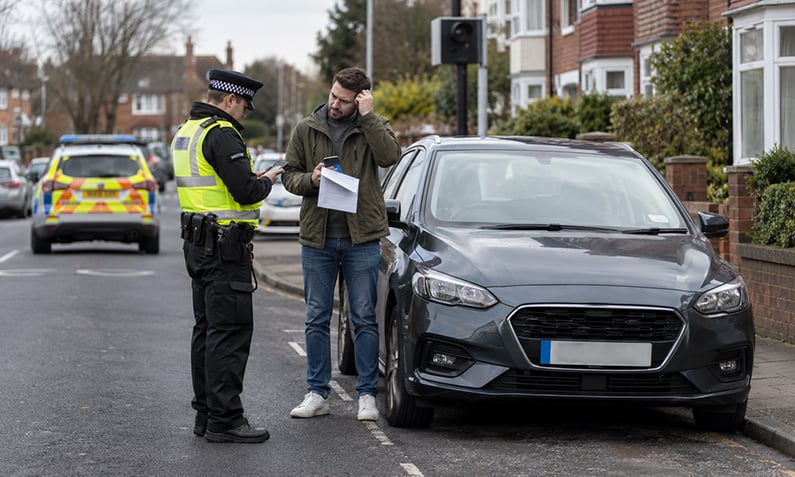




Is Car Insurance Valid Without Tax? What Really Happens

Written by Tim Bailey
Reviewed by Ankit Sureja
6 min read
Updated: 9 Sep 2026
Is Car Insurance Valid Without Tax? What Really Happens

Car insurance valid without tax is a common worry, and the short answer is that your policy itself usually remains valid even if the vehicle is not taxed. The real problem is not the insurance contract, it is the vehicle’s legal status: a registered car kept or used on a public road in the UK must be both taxed and insured, so an untaxed car should not be driven or parked on the road at all.

Insurance and Vehicle Excise Duty (road tax) are two separate legal requirements. Letting the tax lapse does not automatically cancel the cover you have paid for, but it does make the car illegal to use, and driving it untaxed can put any claim at risk. Free Price Compare sources this from GOV.UK and DVLA guidance, and compares cover across a panel of 130+ insurers so you can find suitable protection once the car is legal to use again.

Quick Answer: Is Car Insurance Valid Without Tax? What Really Happens

  • Tax and insurance are separate: letting your road tax lapse does not automatically make your insurance policy invalid, but the car is then illegal to drive or keep on a public road.
  • If you stop taxing a car, you must either tax and insure it or declare a Statutory Off Road Notification (SORN); GOV.UK applies an automatic £80 fine for having neither.
  • You can drive an untaxed car only in one narrow case: to a pre-booked MOT test, provided the car is insured and roadworthy.
  • The UK average motor insurance premium was £560 in Q1 2026, £20 lower than a year earlier (ABI Motor Insurance Premium Tracker, published 30 April 2026).
  • Driving untaxed on the road can give an insurer grounds to reduce or reject a claim, even though the policy technically still exists.

Last updated: September 2026

Written by the Free Price Compare editorial team | Reviewed September 2026

Does having no car tax invalidate your insurance?

Having no car tax does not automatically invalidate your car insurance in the UK. Road tax (Vehicle Excise Duty) and insurance are two separate legal duties, and a lapsed tax record does not cancel the cover you bought or delete your policy. Your insurer continues to hold the risk unless the policy is cancelled for a reason set out in its terms.

The complication is legal use. A registered vehicle that is kept or used on a public road must be taxed and insured under UK law, so an untaxed car cannot lawfully be driven or left on the road. The insurance can still be valid in a technical sense while the car is sitting untaxed, but the moment it moves on a public road untaxed, the driver is committing a separate offence.

According to GOV.UK, if a vehicle is not taxed, or not insured even briefly, you need to register it as off the road with a SORN, and you cannot use it on the road until it is taxed again. So the honest answer to “does no car tax invalidate insurance” is: not directly, but it makes the car illegal to use, which is a bigger problem.

Can you drive with insurance but no tax?

You cannot lawfully drive with insurance but no tax on public roads in the UK, with one exception. The Road Traffic Act 1988 and vehicle tax rules require a car used or kept on a public road to be both insured and taxed, so having valid insurance alone does not make it legal to drive an untaxed car.

The single recognised exception is driving to a pre-booked MOT test. You may drive an untaxed vehicle directly to a garage for an MOT you have already booked, provided the car is insured and in a roadworthy condition to make the journey safely. Any detour, errand or driving beyond that direct route falls outside the exemption.

Enforcement is largely automated. DVLA cameras and the Motor Insurers’ Bureau database check tax and insurance status continuously, so an untaxed or uninsured car on the road can be flagged without a police stop. If you have realised your tax has lapsed, the safest step is to tax the car online before driving, which you can usually do instantly.

Compare car insurance quotes

Will my insurance be valid if I forget to renew my tax?

Your insurance will normally stay valid if you forget to renew your tax, because the policy is a separate contract that does not lapse just because the tax record has. Forgetting to tax the car does not trigger automatic cancellation of a standard motor policy under most insurers’ terms.

What changes is your exposure to a claim being challenged. If you have an accident while driving untaxed, the insurer will typically still deal with an innocent third party’s claim, because the Road Traffic Act 1988 protects other road users. The risk is to your own position: the insurer may recover its costs from you or reduce a payout on your own damage where you were using the car unlawfully.

DVLA no longer sends paper tax reminders in every case, so lapses often happen simply because the renewal date slips. Setting up the direct debit option for Vehicle Excise Duty means the tax renews automatically, which removes the risk of an accidental gap. If you are unsure of your car’s status, our step-by-step guide on how to check whether your car is taxed shows exactly where to look.

Will my insurance be valid if I forget to renew my tax

Can you tax a car without insurance?

You cannot tax a car without insurance in most of the UK, because the taxing system checks for active insurance before it lets the transaction complete. When you tax a car online or at a Post Office, the record is verified against the Motor Insurers’ Bureau database, and no live insurance policy usually means the tax application is refused.

Northern Ireland works slightly differently, requiring an insurance certificate as part of the process, but the outcome is the same: you need cover in place first. The practical order is insure, then tax, then drive. Trying to reverse that order leaves you unable to complete the tax step.

This is why buyers arranging a policy for a car they have just bought should sort insurance before attempting to tax it. Around 88 to 89% of car insurance quotes started through Free Price Compare are for comprehensive cover (Free Price Compare data, Jan to Jun 2026), which is the level most drivers arrange before taxing a newly purchased car.

Sorting a car’s tax and cover?

Get cover in place first, then tax the car and drive legally.

What happens if there’s no tax, insurance or MOT on your car?

If there is no tax, insurance or MOT on a car being used or kept on a public road, you are committing three separate offences, each with its own penalty. A car can legally have none of these only if it is kept off the road and declared with a SORN.

  • No tax: GOV.UK applies an automatic £80 fine for keeping an untaxed vehicle without a SORN, and driving untaxed can lead to a larger penalty and DVLA clamping or removal.
  • No insurance: driving uninsured can mean a fixed penalty, six licence points, an unlimited fine and the car being seized under Continuous Insurance Enforcement rules.
  • No MOT: using a car that needs an MOT without one is a fineable offence, and it can affect a claim because most policies require a valid MOT where one is legally needed.

The three duties are independent, so a lapse in one does not automatically breach the others. A car can be taxed and insured but have an expired MOT, or insured with valid tax but declared off the road. Keeping all three current is what makes the car legal to drive. Our guide to whether car insurance is valid without an MOT covers the MOT angle in detail.

When do you need a SORN for your car?

A Statutory Off Road Notification (SORN) is a declaration to DVLA that a vehicle is being kept off the road and will not be taxed or used on public roads. You need a SORN whenever you stop taxing or insuring a car and it is not going to be driven or parked on a road, verge or public place.

Once a SORN is in place, you can legally stop paying Vehicle Excise Duty and can claim a refund for any full months of tax remaining. The car must then be kept on private land such as a garage, drive or private yard. According to GOV.UK, you cannot use a SORN vehicle on the road until it is taxed again, and if you have no SORN you must both tax and insure it or face the £80 automatic fine.

Insurance during a SORN is optional but often sensible. Many owners keep at least fire and theft cover on a stored classic or project car, because a SORN removes the legal duty to insure but not the risk of the car being stolen, damaged or catching fire while off the road.

See car tax rules explained

Do classic cars exempt from tax still need insurance?

Classic cars that are exempt from Vehicle Excise Duty still need insurance if they are used or kept on a public road. Tax exemption for historic vehicles removes the cost of road tax, but it does not remove the requirement to insure the car or, in fact, to still formally apply for the tax at a zero rate each year.

A vehicle built more than 40 years ago can qualify for the historic vehicle tax class, which sets Vehicle Excise Duty at £0. Even so, the owner must apply to move the car into that tax class and confirm it annually, and the car must be insured to be driven. Being exempt from paying tax is not the same as being free from the tax and insurance system.

Classic owners who keep a car off the road for winter can SORN it and drop the insurance, then re-tax and re-insure it before spring. If a valued classic sits idle, comparing specialist and agreed-value cover across a wide panel helps match the policy to how little the car is actually driven.

What does untaxed driving mean for your premium and claim?

Driving untaxed does not usually change the price of your renewal directly, but it can seriously affect a claim and is best avoided entirely. Insurers price on risk factors like age, car, address and no-claims history, not on a single past tax lapse, so a brief gap rarely feeds into your quote.

The consequences show up at claim time. If you crash while using the car unlawfully, the insurer will normally still meet a third party’s claim under the Road Traffic Act 1988, but may refuse or reduce cover for your own vehicle and could pursue you to recover money it has paid out. That can leave you thousands of pounds out of pocket on a policy you thought was fully protecting you.

For context on price, the UK average motor premium was £560 in Q1 2026, up just £1 on the previous quarter and £20 lower than a year earlier, according to the ABI Motor Insurance Premium Tracker published on 30 April 2026. Keeping tax, MOT and insurance current protects both your legal position and the value of the premium you pay. If you are reviewing cover, weighing your voluntary and compulsory excess is one of the clearest levers on the final price, and the current 2025 UK driving law changes set out how VED and enforcement now work.

What does untaxed driving mean for your premium and claim

Review your car insurance cover

FAQs about car insurance valid

Is my car insurance valid without tax and MOT?

Your car insurance policy usually remains valid even if the tax or MOT has lapsed, because insurance is a separate contract. However, using the car on a public road without tax and without a valid MOT (where one is required) is illegal, and an insurer can reduce or refuse a claim on your own vehicle if you were driving it unlawfully. The safest position is to keep tax, MOT and insurance all current before driving.

Can you drive an untaxed vehicle directly to a pre-booked MOT appointment?

Yes, you can drive an untaxed vehicle directly to a pre-booked MOT test, provided the car is insured and roadworthy for the journey. This is the only recognised exception that lets you drive without current tax. The trip must be direct to the test centre with no side journeys, as anything beyond the direct route falls outside the exemption.

What happens if my car is reported as untaxed or uninsured?

DVLA and the Motor Insurers’ Bureau check tax and insurance records automatically, so an untaxed or uninsured car can be flagged without a police stop. For no tax and no SORN, GOV.UK applies an automatic £80 fine, and the car can be clamped or removed. For driving uninsured, you face a fixed penalty, six licence points and a possible vehicle seizure under Continuous Insurance Enforcement.

Can car insurance be cancelled without notice?

Insurers must generally give you written notice and a stated period before cancelling a policy, typically around seven days, except where there has been fraud or serious non-disclosure. A lapsed car tax on its own is not usually grounds for cancellation. Always check the cancellation terms in your policy documents, as the exact notice period varies between insurers.

Can I tax my car before the insurance starts?

No, in most of the UK you cannot tax a car before insurance is active, because the taxing system checks the Motor Insurers’ Bureau database for live cover before it completes. You need the policy in place first, then tax the car. Arrange insurance, wait for it to show as active, then apply for tax straight away.

Do I need insurance on a car I have declared SORN?

You do not legally need insurance on a car with a Statutory Off Road Notification, as long as it is kept off the road on private land. Many owners still keep fire and theft cover, because a SORN removes the legal duty to insure but not the risk of theft, fire or damage while the car is stored. Cover is optional, not required, once a valid SORN is in place.

Will my insurance pay out if I have an accident while untaxed?

Your insurer will normally still settle an innocent third party’s claim under the Road Traffic Act 1988, even if you were driving untaxed. The risk is to your own claim, as the insurer may reduce or refuse payment for your own vehicle and can seek to recover its costs from you. Driving untaxed can therefore leave you financially exposed despite holding a valid policy.

Is car insurance tax deductible in the UK?

Car insurance can be tax deductible where the vehicle is used for business and you are self-employed or run a company, with the deductible portion reflecting business use. For an ordinary private car used for commuting and personal trips, the premium is not tax deductible. Speak to an accountant to confirm how much of a mixed-use vehicle’s insurance qualifies.

How quickly can I tax my car if it has lapsed?

You can usually tax a car online in a few minutes through the GOV.UK vehicle tax service, and the tax takes effect immediately. You will need the reference number from a DVLA reminder, your V5C logbook or the new keeper slip, plus active insurance on record. Taxing before you drive avoids the fines and claim risks of using an untaxed car.

Does a car need tax to keep the insurance running?

No, a car does not need to be taxed for the insurance policy to keep running, because the two are independent. Your cover continues for its full term regardless of the tax status, unless the insurer cancels it for a reason in the policy terms. The tax simply governs whether the car may legally be used on the road.

Can I get car insurance without paying a deposit?

Some insurers offer monthly-paid car insurance with a low or reduced first payment, but a genuine no-deposit policy is rare because the first monthly instalment usually acts as an initial payment. Paying annually in full often works out cheaper overall than spreading the cost, as monthly plans typically add interest. Comparing across a wide panel helps you find the lowest upfront and total cost for your budget.

Is my car insurance valid without road tax if the car is parked on my drive?

Your insurance can remain valid, and a car parked on your own private drive does not legally need tax if you have declared a SORN. It only needs to be taxed and insured once it is used or kept on a public road. If the car sits on a public road untaxed, even without being driven, you risk the automatic £80 fine and enforcement action.

Also Read Related Articles


Information correct as of 7 September 2026. Prices, tariffs, policy details and providers change frequently, so please check the latest details before making a decision. This article is for general information only and does not constitute financial advice. Free Price Compare is authorised and regulated by the Financial Conduct Authority (FCA).

4000+ reviews