





Telematics Car Insurance UK: How It Works

Written by Andrea Troy
Updated: 28 Jul 2026
Telematics Car Insurance UK: How It Works

Telematics car insurance UK policies use a small device or a smartphone app to record how you actually drive, then set or adjust your premium based on that data rather than on age and postcode alone. It is often called black box insurance, and it is aimed mainly at drivers who expect to pay a high standard premium, particularly newer and younger drivers.

If you are an experienced driver with a long no-claims record, a telematics policy will rarely undercut a standard comprehensive quote by much, and some renewal offers pitch it as a discount that only pays off if you keep your score high. how the technology works, who benefits, the fees that catch people out, and how to weigh a telematics quote against a normal one.

Free Price Compare compares car insurance from a panel of more than 130 UK insurers, and we source market figures from the ABI, FCA and DfT so you can judge a telematics offer on the facts.

Quick Answer

  • Telematics tracks speed, braking, cornering, mileage and time of day; some apps, such as Zego Sense, now also score phone distraction.
  • Young drivers aged 17-24 tend to save most: telematics can be significantly cheaper than a standard policy for higher-risk drivers, though the exact saving varies by driver and provider.
  • Cancellation fees are the main catch: telematics policies, especially those with a fitted box, can charge more to cancel than standard cover, so always check the policy’s cancellation terms.
  • Most policies do not impose a hard curfew, but late-night driving usually scores lower and can raise your renewal price.
  • The average UK motor premium paid was £560 in Q1 2026, down 3.4% year-on-year (ABI Motor Insurance Premium Tracker), so experienced drivers often see little telematics saving.

Last updated: July 2026

Written by the Free Price Compare editorial team | Reviewed July 2026

What is telematics insurance and how does the black box work?

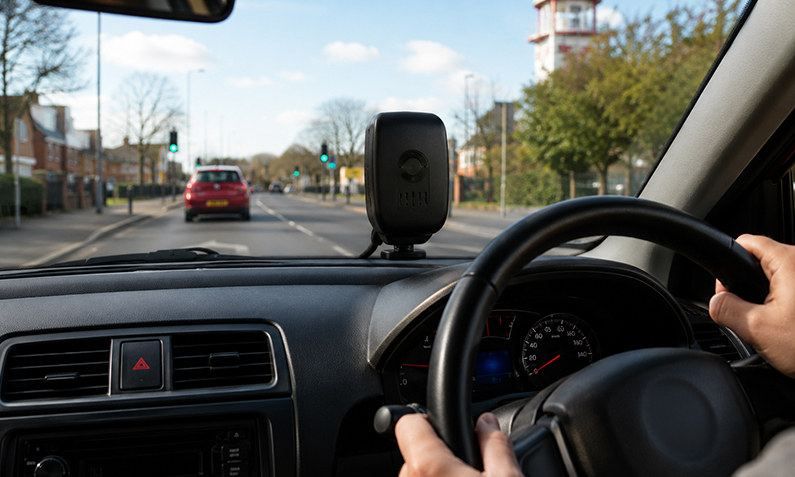
Telematics insurance is car insurance where your premium is based on data about how, when and how far you drive, collected through either a fitted black box or a smartphone app. A telematics device is a small unit wired into your car, or an app on your phone, that records speed, acceleration, braking, cornering, mileage and the times of day you drive. That data is scored, and your price is set or adjusted to reflect the risk your driving shows rather than relying on age and address alone.

Two formats dominate the UK market. Fitted black boxes are hard-wired and can also aid theft recovery, while app-based telematics such as Hastings Direct YouDrive and Zego Sense use your phone with no device to install. Many drivers are drawn to app-based telematics for the convenience of managing cover from their phone, as well as for the potential premium savings. The app-based shift is now the direction of travel, and some apps have begun scoring phone distraction as well.

Is telematics car insurance cheaper, and how much can you save?

Telematics car insurance is usually cheaper for higher-risk drivers, but the saving depends heavily on your age, mileage and driving score. For a higher-risk driver such as a 25-year-old with a clean record, telematics quotes can be meaningfully cheaper than the same insurer’s standard cover, though the size of the saving varies widely from one driver to the next and is never guaranteed. Savings are largest where the standard premium is already high, which is why the technology is aimed at newer and younger drivers.

For the typical experienced driver, the picture is different. The average UK motor premium actually paid was £560 in Q1 2026, a marginal £1 increase on the previous quarter but 3.4% lower than a year earlier, according to the ABI Motor Insurance Premium Tracker. When your standard price is already close to or below that figure, a telematics policy rarely undercuts it by much, and any discount is conditional on maintaining a good score. Some drivers in their 50s are offered a telematics renewal discount of around 25%, which only pays off if the recorded driving stays clean.

Compare car insurance quotes

Who benefits most from a black box policy?

Young and newer drivers benefit most from a black box policy, because their standard premiums are the highest and telematics gives them a way to prove low risk. Drivers aged 17-24 pay far more than the market average, and a black box lets a careful young driver be rewarded for evidence rather than assumptions. Insurers and telematics analysts associate black-box driving with lower crash rates among the youngest drivers, although the Department for Transport regards the direct evidence as not yet conclusive; either way, insurers price proven careful driving more favourably.

Low-mileage drivers are the other clear group. Pay-per-mile telematics, such as By Miles, now owned by Direct Line Group, charge a fixed base fee plus a per-mile rate, which suits remote workers, second-car owners and anyone driving well below the national average. Free Price Compare’s own data shows around a third of car insurance quotes come from drivers with zero years of no-claims bonus, and around 21-28% of quotes come from drivers aged 17-25, so a large share of shoppers fall into the groups telematics is built for (Free Price Compare data, Jan-Jun 2026). If you are a settled driver with 20 years’ no-claims, a telematics policy is far less likely to beat a standard comprehensive quote.

Who benefits most from a black box policy

What does the black box actually track and record?

A telematics black box or app records your speed against local limits, acceleration, braking, cornering, the distance you cover and the time of day you drive. Most systems combine these into an overall driving score that insurers use at renewal or, on some products, throughout the year. It does not listen to you, and it is not a live monitor of everything you do; it logs driving events and location data for the purpose of pricing and, on fitted devices, theft recovery.

Newer scored metrics are appearing. Some apps have begun scoring phone distraction, so handling your phone while driving can now count against your score. There is no legal requirement to fit a black box; it is a voluntary policy choice. Where telematics data touches personal information, providers must handle it in line with UK data-protection rules overseen by the ICO, and you can ask an insurer what data it collects and how it is used before you buy.

See how telematics affects your premium

Read our plain-English guide before you commit to a black box policy.

Do black box policies have a curfew, and what happens at night?

Most modern black box policies do not impose a hard curfew that voids your cover after a set time, but late-night driving typically scores lower and can push up your renewal price. Insurers class the small hours as higher-risk because collision rates rise, so frequent late journeys will tend to weaken your score even if nothing goes wrong. A handful of older-style young-driver products have used stricter time restrictions, so read the policy wording for any night-driving penalties before you buy.

If you occasionally drive at night, that alone will rarely cause a problem. The risk is a consistent pattern of late trips, which the system reads as higher exposure. When you turn the car off, tracking stops for that journey; the device or app records driving events rather than running continuously in the background when the car is parked, though a fitted box can still support theft recovery.

What fees and catches should you watch out for?

Cancellation charges are the biggest catch with telematics policies, and they run higher than on standard cover. Cancellation fees on telematics policies can be noticeably higher than on standard cover, often several times the equivalent charge, particularly during the 14-day cooling-off period. That reflects the cost of installing and reclaiming a device, so it matters most on fitted black boxes rather than app-only products.

Two other points are worth checking before you commit:

  • A named driver’s behaviour counts. On a policy where a young driver is a named driver, their driving is recorded and can affect the overall score, so their habits influence the whole policy’s price.
  • Scores can push prices up as well as down. A poor score at renewal can raise your premium, so a telematics policy that looks cheap at outset is not guaranteed to stay cheap.

Rising repair costs also affect telematics and standard policies alike. Of the £2.9 billion insurers paid in claims in Q1 2026, £1.9 billion was for vehicle repairs, with the average accidental damage claim up 8% to £3,699 as parts prices and vehicle complexity rise, according to the ABI.

See typical car insurance prices

Which telematics car insurance companies operate in the UK?

Several established insurers and specialists offer telematics in the UK, spanning fitted black boxes, app-based tracking and pay-per-mile cover. Admiral, Direct Line and Hastings Direct are among the mainstream names with telematics products, while specialists focus on particular groups: Marmalade designs cover around young and learner drivers, By Miles runs pay-per-mile cover, and app-based options such as Hastings Direct YouDrive and Zego Sense track through your phone with no device to fit. The UK is the largest telematics market in Europe, built on early adoption of usage-based insurance.

Cover levels work the same as standard insurance, so a telematics policy can be third party only, third party fire and theft, or comprehensive under the gov.uk minimum insurance requirements set by the Road Traffic Act 1988. Around 88-89% of Free Price Compare car insurance quotes are for comprehensive cover (Free Price Compare data, Jan-Jun 2026), and most telematics buyers choose comprehensive too. Rather than approach one telematics brand, it is worth comparing telematics and standard quotes side by side to see which is cheaper for your circumstances.

How does telematics fit with FCA fair-value rules?

Telematics pricing sits within the FCA’s General Insurance Pricing Rules, which since January 2022 require insurers to offer renewing customers the same price they would offer an equivalent new customer, and to deliver fair value. Because telematics prices on measured behaviour and data rather than a renewal-versus-new-customer distinction, it works within that framework, and the FCA continues to assess whether its pricing rules are producing fair outcomes and has signalled it may strengthen interventions if they are not.

For you as a buyer, the practical takeaway is that a telematics discount must reflect genuine value, not a headline lure. Always check what happens to the price if your score dips, whether there is a device fee, and how the cancellation charge compares before you sign. The best test is a live comparison: if a telematics quote does not beat a standard comprehensive quote for your car and driving profile, the extra conditions are rarely worth accepting.

Compare telematics and standard quotes

You can read more on how telematics insurance works in practice and how it might affect your renewal in our dedicated guide.

How does telematics fit with FCA fair-value rules

FAQs about telematics car insurance uk

Do I need a fitted box, or can I use a phone app?

A telematics policy fits a small device in your car or uses a smartphone app to record how you drive, including speed, braking, cornering, mileage and the times of day you travel. That data is scored, and your premium is set or adjusted to reflect the risk your driving shows rather than relying only on age and postcode. App-based versions need nothing installed, while fitted boxes are wired in and can also help recover a stolen car.

Does telematics save experienced drivers money?

Telematics is usually cheaper for higher-risk drivers whose standard premium is already high, and less so for experienced drivers. For a higher-risk driver such as a 25-year-old with a clean record, telematics can be meaningfully cheaper than an equivalent standard policy, though the exact saving varies by driver. For a settled driver with a long no-claims record, a telematics policy often saves little because the standard price is already competitive.

Do any telematics policies still restrict night driving?

Most current black box policies do not have a hard curfew that cancels your cover after a set time, but late-night driving usually scores lower and can raise your renewal price. Insurers treat the small hours as higher-risk because collision rates rise then. A few older young-driver products used stricter night restrictions, so always read the policy wording for any night-driving penalties.

Can someone else drive my car on a telematics policy?

Another person can drive your car if they are added as a named driver, but their driving is recorded and can affect the overall policy score. On a policy shared with a young driver, their habits influence the whole policy’s price at renewal. Anyone not named on the policy would not be insured to drive, so check the terms before letting someone else use the car.

What happens if I speed on a black box policy?

Speeding on a telematics policy will lower your driving score, which can increase your renewal price or, on some products, adjust your premium during the year. A single event is unlikely to cancel your cover, but a consistent pattern of speeding weakens your score and can trigger warnings from your insurer. Persistent or serious breaches of policy terms could ultimately affect your cover, so check what your provider treats as a red flag.

How much does it cost to cancel a telematics policy?

Cancelling a telematics policy can cost noticeably more than a standard policy, often several times the equivalent charge, especially during the 14-day cooling-off period. The higher fee mainly reflects installing and reclaiming a fitted device, so app-only products tend to charge less. Always check the cancellation terms before you buy, especially if you might change your car during the year.

Is telematics insurance worth it for an older, experienced driver?

For an older driver with a long no-claims record, telematics is often not worth it because standard comprehensive cover is already priced competitively. Some insurers offer around a 25% renewal discount for taking telematics, but that only pays off if your recorded driving stays clean and it comes with conditions a standard policy does not have. Compare a telematics quote directly against a standard one before accepting; if it does not beat the standard price, the extra conditions rarely justify it.

Does the black box track my location all the time?

A telematics device or app records driving events and location data while you are driving, not everything you do around the clock. When the car is switched off, tracking for that journey stops, though a fitted box can still support theft recovery. Providers must handle any personal data in line with UK data-protection rules, and you can ask exactly what is collected and how it is used before buying.

Is it mandatory to fit a black box?

Fitting a black box is never mandatory; it is a voluntary policy choice you make when you decide a telematics deal is cheaper or more suitable than standard cover. You can insure any car with a standard policy instead. Some insurers only offer their lowest prices to higher-risk drivers through telematics, but you are free to choose a different insurer or cover type.

Can I switch from telematics to a normal policy later?

You can switch from a telematics policy to a standard one at renewal, and the driving record you build can help you qualify for cheaper standard cover once you have a clean history and no-claims bonus. If you switch mid-term, a cancellation fee usually applies, which is higher on telematics than on standard cover. Many drivers use telematics for their first few years, then move to a standard policy once their premium falls.

Does pay-per-mile insurance count as telematics?

Pay-per-mile insurance is a form of telematics that charges a fixed base fee plus a rate for each mile you drive, tracked by a device or app. It rewards low mileage rather than scoring your driving style, so it suits remote workers, second-car owners and anyone driving well below the national average. It is offered by specialists such as By Miles, now part of Direct Line Group.

How many insurers can I compare telematics and standard quotes across?

Free Price Compare compares car insurance from a panel of more than 130 UK insurers, which lets you weigh telematics and standard quotes side by side for your exact car and driving profile. Comparing both is the clearest way to see whether a black box saves you money or whether a standard comprehensive policy is already cheaper. Around 88-89% of quotes made through Free Price Compare are for comprehensive cover.

Also Read Related Articles


Information correct as of 4 July 2026. Prices, tariffs, policy details and providers change frequently, so please check the latest details before making a decision. This article is for general information only and does not constitute financial advice. Free Price Compare is authorised and regulated by the Financial Conduct Authority (FCA).

4000+ reviews