

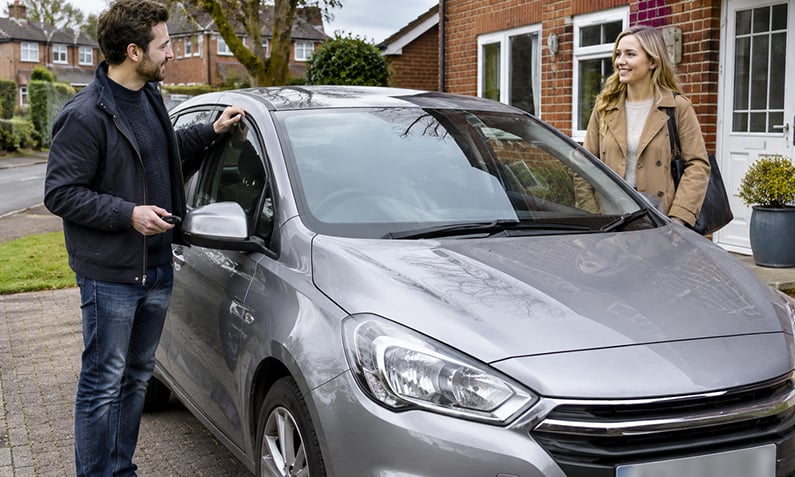



Named Driver vs Main Driver Explained

Written by Shay Ramani
Reviewed by Ankit Sureja
5 min read
Updated: 16 Nov 2026
Named Driver vs Main Driver Explained

Named driver vs main driver comes down to one question: who actually uses the car most. The main driver is the person who drives the vehicle most often and carries the greatest share of its mileage, while a named driver is someone added to that policy who is allowed to drive the car but is not its main user. Getting this right is a legal and financial matter, not an administrative detail.

For most of our customers, this choice is straightforward. The average car insurance buyer through Free Price Compare is around 50, has held a licence for more than two decades and chooses comprehensive cover. The confusion usually arises when a second person needs access to the car, such as a partner, an adult child or an elderly parent, and the household wants to know who to list and in what role.

Free Price Compare compares car insurance across a panel of 130+ insurers, so the practical point matters: the same two people on the same car can produce very different prices depending on who is set as main driver and who is named. This explains the rules, the trade-offs and where the line into fronting sits.

Quick Answer: Named Driver vs Main Driver Explained

  • The main driver is whoever uses the car most, by genuine mileage.
  • A named driver is an extra permitted driver who is not the main user.
  • Fronting (naming the wrong main driver to cut the price) is insurance fraud.
  • The average UK motor premium was £562 in Q3 2026 (ABI).
  • A named driver only earns a no-claims bonus if the insurer offers one separately.

Last updated: November 2026

Written by the Free Price Compare editorial team | Reviewed November 2026

What the two roles actually mean

The main driver is the person who drives the car most regularly and accounts for the largest proportion of its mileage, and the policy must reflect that genuine main user. A named driver is an additional person added to someone else’s motor policy who is permitted to drive the vehicle but is not its main user or owner. According to the Association of British Insurers (ABI), a named driver generally receives the same level of cover as the main driver, but the arrangement only suits cases where that person is not the car’s main user.

Only one person can be the main driver on a single policy. Everyone else who needs to drive that car is added as a named (or additional) driver. There is no limit on named drivers that applies across the whole market, though individual insurers cap how many they accept.

The main driver is usually, but not always, the registered keeper and the person who would pay for repairs. The two roles do not have to be the same person: some insurers allow the policyholder to be a non-driver provided at least one named driver can legally drive the car.

Feature Main driver Named driver
Who it is The person who drives the car most An extra permitted driver, not the main user
Level of cover Full policy cover Generally the same level of cover
No-claims bonus Earns NCB each claim-free year Only if the insurer offers it separately
Responsible for the policy Yes, usually the policyholder No, the policyholder holds the contract

Figures are indicative and may change.

Compare car insurance across 130+ insurers

How do you decide who the main driver is?

The main driver is whoever uses the car most, measured by frequency and mileage, not by who owns it or who pays the bill. If a couple shares one car and one partner does the daily commute and the school run while the other drives it occasionally at weekends, the commuter is the main driver. If you set the role based on who gets the cheaper quote rather than who actually drives, you have the wrong main driver.

Ownership and the role can differ. A car can be registered to one person, such as a parent, while a different household member is the genuine main driver. What matters to the insurer is an accurate picture of who is behind the wheel most of the time. The DVLA registered keeper and the policy main driver are separate concepts and do not have to match.

If two people share a car close to 50/50, name the person who does marginally more and add the other as a named driver, and be ready to explain the split honestly if asked. If driving patterns change significantly later, tell the insurer rather than leaving an inaccurate policy in place.

Does adding a named driver reduce or increase my insurance?

Adding a named driver can reduce, increase or barely change your premium, because insurers reprice the whole policy around the combined risk of everyone listed. There is no universal rule, and the common claim that adding an experienced driver always lowers the price is not something any regulator or the ABI guarantees. The outcome depends on that person’s age, claims and driving history, your car and the insurer’s own underwriting.

Adding a lower-risk, experienced driver can sometimes bring the price down, particularly for a newer or younger main driver, because the risk pool looks safer on average. Adding a higher-risk driver, such as someone with recent claims or a short licence history, usually pushes the premium up. The only reliable way to see the effect for your exact situation is to run the quote both ways.

Because the same two people can produce very different prices depending on the insurer, comparing across a wide panel matters. If you are weighing up whether a partner or relative should join your policy or hold their own, our guide to multi-car insurance versus separate policies and named-driver options walks through the cost trade-offs. New and younger drivers can also find structured ideas in our car insurance for young drivers guide.

Does adding a named driver reduce or increase my insurance

See how adding a driver changes your quote

What is fronting, and why is it a serious risk?

Fronting is listing a lower-risk or more experienced person as the main driver when someone else actually uses the car most, usually to cut the price, and the ABI describes it as insurance fraud. The classic example is a parent naming themselves as main driver on a car that their newly qualified son or daughter drives every day. The policy is then based on inaccurate information about who the real main user is.

The consequences are severe. If fronting is discovered, the insurer may declare the policy invalid, which can leave the policyholder personally liable for the costs arising from an accident. The ABI states that fronting is illegal and may lead to criminal convictions. It is not an automatic conviction in every case, but the financial and legal exposure is real, and a voided claim after a serious accident could run to many thousands of pounds.

The honest, legal alternative for a household with a new driver is to name that person as the genuine main driver and add an experienced relative as a named driver, if that reflects who drives most. That arrangement can sometimes reduce the price, and it keeps the policy valid. Our dedicated named driver rules and fronting guide covers the warning signs in more detail.

Not sure who to list as main driver?

Compare quotes honestly across 130+ UK insurers and see the real price for your household.

Can a named driver use the car without the main driver present?

Yes, a named driver can normally drive the car on their own without the main driver present, because being added to the policy means they are insured to drive it. What a named driver cannot do is use the car so much that they become the genuine main user while still being listed only as a named driver. If a named driver starts driving the car significantly more than the main driver, the arrangement no longer reflects reality and the insurer should be told.

There is no universal UK rule that caps a named driver to a fixed number of days a year. Acceptable use depends on the policy terms and the true driving pattern, so a named driver who occasionally borrows the car is fine, while one who effectively takes it over is not. If driving habits shift permanently, contact the insurer rather than assuming the existing setup still holds.

What happens if the named driver has an accident?

If a named driver has an accident, it is treated as a claim on the policyholder’s policy, which affects the main driver’s no-claims bonus and future premiums. The named driver is covered to the level stated in the policy, and the claim is handled against that policy rather than against the named driver’s own insurance. The excess and any policy conditions apply in the normal way.

The main point to grasp is that the policyholder carries the consequences. A fault claim by a named driver can reduce the main driver’s no-claims discount at renewal, because the claim sits on that policy. Some insurers let the named driver protect or carry over their own driving record separately, but this is not automatic and varies by insurer. A named driver who wants to build their own record should check the terms before relying on it.

Does a named driver build their own no-claims bonus?

A named driver does not automatically build a full no-claims bonus, because a no-claims bonus normally belongs to the policyholder who holds the main policy. Some insurers offer a named-driver or secondary no-claims scheme that lets an additional driver accumulate a limited bonus, but this is a specific feature rather than a market-wide entitlement. Treatment varies between insurers, so never assume a named driver is earning transferable NCB without confirming it.

This matters when a named driver later takes out their own policy as a main driver. Where an insurer has recorded named-driver experience, it may give some recognition at quote stage, but there is no guaranteed conversion into full no-claims years. Among Free Price Compare car insurance quotes, around a third come from drivers with zero years of no-claims bonus, which shows how many people start their own cover without a protected record to carry across. If building NCB matters to you, our new driver car insurance guide explains how to start building it from day one.

How much does car insurance cost, and where does this choice fit?

The average UK motor insurance premium was £562 in Q3 2026, according to the ABI Motor Insurance Premium Tracker reported in November 2026, around £4 lower than Q2 2026 but £11 (2%) higher than Q3 2025. Earlier in the year the ABI recorded an average of £560 in Q1 2026, so prices have been broadly stable with repair costs still running high. These are market averages, and your own price depends on your car, address, age, mileage, claims history and who is on the policy.

Who you list as main driver and named driver can move your quote within that range, which is why running the comparison honestly both ways is worth the few minutes it takes. Nearly 9 in 10 car insurance quotes through Free Price Compare are for comprehensive cover, and a quote through us takes around five minutes, with roughly 8 in 10 of our customers completing the journey on a mobile. The FCA regulates how insurers and comparison services operate, and Free Price Compare is FCA-authorised.

If you want to lower the price without misdeclaring who drives, our cheap car insurance tips and our car insurance myths debunked guide set out the legal routes that actually work.

How much does car insurance cost, and where does this choice fit

Compare comprehensive car insurance quotes

FAQs about named driver vs main driver

Does it matter who is the main driver on car insurance?

Yes, it matters a great deal. The main driver must be the person who uses the car most, because the premium and the policy are priced around that person's risk. Listing the wrong main driver to save money is fronting, which is insurance fraud and can invalidate your cover and leave you personally liable for claim costs.

Does my named driver need their own insurance?

No, a named driver does not need separate insurance to drive the car they are listed on, because they are covered by the policyholder's policy to the stated level of cover. They would only need their own policy if they became the main driver of a car, or wanted cover to drive other vehicles not covered by the existing policy.

How much does it cost to add a named driver in the UK?

There is no fixed cost to add a named driver, because insurers reprice the whole policy around the combined risk. Adding a low-risk, experienced driver can leave the premium roughly the same or even lower, while adding a higher-risk driver usually increases it. The only way to know your figure is to run the quote with and without that person.

Can I be the policyholder but not the main driver?

In some cases yes. Certain insurers allow the policyholder to be a non-driver as long as at least one named driver can legally drive the car. This is different from fronting, where you falsely claim to be the main driver yourself. Be clear and honest about who actually drives the car when you set the policy up.

Does the car have to be registered in the main driver's name?

No. The registered keeper on the DVLA record and the main driver on the insurance policy do not have to be the same person. A car can be registered to one household member while another is the genuine main driver, provided the policy accurately reflects who drives the car most and the insurer accepts the arrangement.

What happens if a named driver becomes the main user of the car?

If a named driver starts using the car significantly more than the main driver, the policy no longer reflects reality and you should contact the insurer. Leaving an inaccurate arrangement in place risks the policy being treated as fronting. The insurer may switch the roles, adjust the premium, or ask you to take out a more suitable policy.

Will adding my parent as a named driver definitely make my insurance cheaper?

Not necessarily. Adding an experienced driver can sometimes lower a younger driver's premium, but this is not guaranteed and depends on the insurer and the full risk profile. It only works legally if the younger person remains the genuine main driver. If the parent is actually the main user, naming them that way would be fronting.

Can a named driver protect their no-claims bonus?

A no-claims bonus normally belongs to the policyholder, not the named driver. Some insurers run a named-driver no-claims scheme that lets an additional driver build a limited record, but this is not standard across the market. If building your own transferable no-claims years matters, confirm with the insurer before relying on it.

Which car insurance is not on comparison sites?

A small number of insurers, most notably some direct-only providers, do not appear on comparison services and must be approached directly. Comparing across a broad panel still gives most drivers the widest realistic view of the market. It can be worth getting one or two direct quotes separately to check nothing better is available before you buy.

Can a named driver use the car when the main driver is not there?

Yes, a named driver can usually drive the car alone, because being added to the policy means they are insured to use it. The limit is genuine usage, not physical presence, so a named driver must not quietly become the main user while still listed only as a named driver. If their usage grows substantially, tell the insurer.

How does a fault claim by a named driver affect me?

A fault claim made by a named driver sits on the policyholder's policy and can reduce the main driver's no-claims discount at renewal. The claim is handled against that policy, and any excess applies as normal. The named driver's own future premiums may also be affected if other insurers can see the claim history.

Where can I compare car insurance quotes for different driver setups?

You can compare quotes with and without a named driver, or with different people listed as main driver, through an FCA-authorised comparison service. Running the quote both ways shows the real price impact for your household without misdeclaring who drives. Always base the main-driver choice on who uses the car most, then compare on that honest basis.

Also Read Related Articles


Information correct as of 12 November 2026. Prices, tariffs, policy details and providers change frequently, so please check the latest details before making a decision. This article is for general information only and does not constitute financial advice. Free Price Compare is authorised and regulated by the Financial Conduct Authority (FCA).

4000+ reviews