

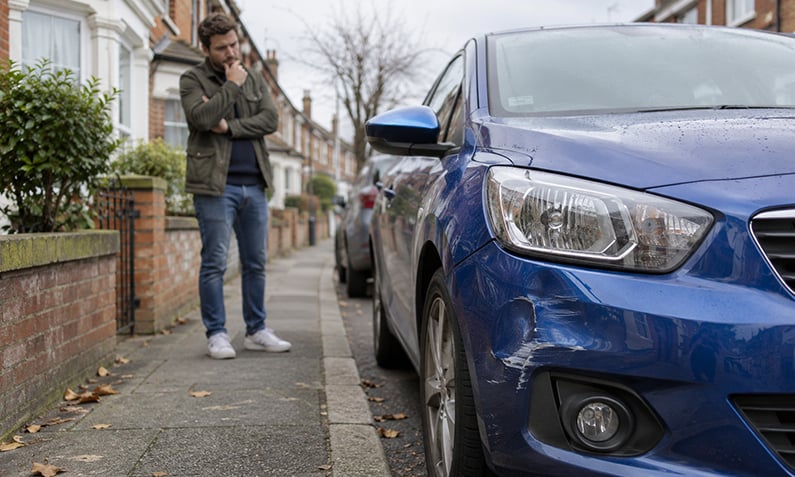



Voluntary vs Compulsory Excess Explained for UK Drivers

Written by Prajesh Manvar
Reviewed by Ankit Sureja
5 min read
Updated: 19 Nov 2026
Voluntary vs Compulsory Excess Explained for UK Drivers

Voluntary vs compulsory excess comes down to who sets the figure: your insurer fixes the compulsory excess, and you choose the voluntary excess on top. Both are amounts you pay towards a covered claim before the insurer pays the rest, and on most claims they are added together into one total excess.

For the typical Free Price Compare buyer, a driver aged around 50 choosing comprehensive cover, the voluntary excess is one of the few price levers you control directly at quote stage. Set it too high and a mid-sized claim could cost you more than it saves. Set it sensibly and you can trim the premium without risking a claim you could not afford. We compare car insurance across a panel of 130+ insurers, so the trade-off below applies whatever price you end up quoted.

Quick Answer: Voluntary vs Compulsory Excess Explained for UK Drivers

  • Compulsory excess is fixed by the insurer and cannot be changed.
  • Voluntary excess is chosen by you, usually to lower the premium.
  • Both are added together on most claims, e.g. £250 + £100 = £350.
  • If a repair costs less than your total excess, claiming is rarely worth it.
  • Only set a voluntary excess you could comfortably pay tomorrow.

Last updated: October 2026

Written by the Free Price Compare editorial team | Reviewed October 2026

What is the difference between voluntary and compulsory excess?

The difference between voluntary and compulsory excess is who decides the amount. Compulsory excess is set by your insurer and cannot be changed, while voluntary excess is an extra amount you choose to pay on top, usually in return for a lower annual premium. Both are a car insurance excess, meaning money you contribute towards a covered claim before the insurer pays the balance.

Insurers base the compulsory figure on how they rate the risk of the car, the driver and the type of claim. A newer or more powerful vehicle, a younger driver, or certain claim types can all carry a higher compulsory excess. You do not negotiate it, it simply appears on your quote and policy schedule.

Voluntary excess works the other way. You pick it at quote stage, often anywhere from £0 up to several hundred pounds. A higher voluntary excess tells the insurer you will absorb more of a claim yourself, which usually reduces the premium, though the size of that reduction varies by insurer and is never guaranteed.

How do the two excesses add up on a claim?

On most claims your compulsory excess and voluntary excess are added together to form a total excess, and that combined figure is deducted from any payout. If your compulsory excess is £250 and you chose a £100 voluntary excess, your total excess is £350, so you pay the first £350 of a covered claim and the insurer covers the rest.

A worked example makes it clearer. Say a repair after an at-fault bump comes to £1,200 and your total excess is £350. You pay £350, the insurer pays £1,150. If instead the repair is £300, the whole amount sits below your £350 total excess, so there is usually nothing to claim and you would pay for the repair yourself.

Some policies apply separate or additional excesses for specific incidents, so the schedule and policy wording are worth checking. A windscreen claim, or a fire and theft claim, can carry its own excess figure that differs from the standard one. Our full breakdown of how a car insurance excess works covers these claim-specific amounts in more detail.

Compare car insurance quotes in minutes

How much voluntary excess should I pay on car insurance?

The right voluntary excess is the highest amount you could comfortably pay towards a claim tomorrow, without borrowing. Set it at that affordable ceiling and you capture most of the available premium saving while keeping the cost of an actual claim within reach. Set it higher than you can pay and you risk being unable to claim when you most need to.

Compulsory excesses vary between insurers and driver profiles, and some insurers may set higher figures in exchange for a cheaper premium. Because the compulsory part is already baked in, the practical question is only how much voluntary excess to stack on top.

Work it out in three steps:

  • Note the compulsory excess shown on each quote, as it differs between insurers.
  • Decide the total excess you could actually pay from savings if you claimed next week.
  • Set your voluntary excess so the total lands at or below that figure, then compare how the premium moves.

For a driver with a car valued between £1,000 and £5,000, which covers a large share of the quotes we see, a very high total excess can approach the value of the car, which weakens the point of claiming at all. In that situation a modest voluntary excess is usually the sensible balance.

Is it always better to have a very high voluntary excess?

No, a very high voluntary excess is not always better, because it only saves money if you never need to claim at a level where that excess bites. The premium saving from each extra band of voluntary excess tends to shrink as the figure rises, so stacking it very high can trade a large claim-time cost for only a small annual discount.

A high voluntary excess suits drivers with a healthy emergency fund who rarely claim and want the lowest headline premium. It suits you less if money would be tight after an accident, or if your car is worth little, because a £600 or £700 total excess on a £3,000 car leaves little worth claiming for. There is a fuller discussion in our guide on whether increasing your excess really saves money.

How much voluntary excess should I pay on car insurance

Not sure which excess level is cheapest for you?

The cheapest excess level depends on your profile, so compare quotes across 130+ insurers and see how the price moves.

Does a higher voluntary excess always lower the premium?

A higher voluntary excess usually lowers the premium, but not always, and never by a fixed amount. Each insurer prices risk differently, so one may knock a useful sum off for raising your voluntary excess while another barely moves, and in some cases a very high voluntary excess can even nudge a price up where the insurer reads it as a signal of higher risk.

This is exactly why comparing matters. The only reliable way to see what a given voluntary excess does to your price is to quote the same cover at two or three different excess levels and watch the number. Because most of our journeys happen on a mobile, and a car quote with us takes only a few minutes, running that comparison at a couple of excess settings is quick to do.

Keep the saving in proportion to the extra risk. If raising your voluntary excess by £200 only trims a few pounds off the premium but adds £200 to any future claim, the trade is rarely worth it. If it meaningfully cuts the price and you can still afford the total excess, it can be a sound choice.

See how your excess affects the price

When is a small claim not worth making?

A claim is rarely worth making when the repair costs less than your total excess, because you would pay the whole bill yourself and still risk losing your no-claims discount. If your total excess is £350 and a scraped bumper repair is £300, you gain nothing by claiming and could lose years of discount on next year’s premium.

Even when a repair sits a little above your excess, weigh the long-term cost. Making a claim can reduce your no-claims discount and push up future premiums for several years, so a borderline claim of a few hundred pounds over your excess may still cost more over time than paying for the repair privately. For small, cosmetic damage where no third party is involved, a direct repair quote is often the cheaper route.

None of this applies the same way to injury or third-party damage. Where another person or vehicle is harmed, you must report the incident to your insurer regardless of the repair cost, because your legal liability under the Road Traffic Act 1988 is involved, not just your own excess arithmetic.

How excess fits into the wider cost of car insurance

Excess is only one lever among several that shape what you pay, and the premium itself usually dwarfs any single excess decision. The average comprehensive motor premium was around £560 in Q1 2026, broadly stable on the previous quarter, according to the Association of British Insurers (ABI) Motor Insurance Premium Tracker, with the ABI noting that repair costs stayed high even as premiums held steady.

Comprehensive cover is what most drivers buy. Around 88 to 89% of car insurance quotes through Free Price Compare are for comprehensive cover, with only a small minority opting for third party fire and theft insurance or third party only (Free Price Compare data, January to June 2026). On a comprehensive policy the excess structure is especially relevant, because the cover is wide enough that you are more likely to claim for your own damage.

Setting the excess sensibly works alongside the other ways to trim a premium. Building your no-claims discount, paying annually rather than monthly, and keeping mileage accurate all help, and our rundown of ways to save money on car insurance and our longer list of UK car insurance money-saving tips cover the full set. Treat the voluntary excess as a fine-tuning tool, not the main saving.

Compare comprehensive cover from 130+ insurers

What to check on your quote before you buy

The key thing to check before you buy is the total excess on the policy schedule, not just the headline premium, because two quotes at a similar price can carry very different excesses. The schedule should state the compulsory excess, your chosen voluntary excess, and any separate excess for claims such as windscreen damage, fire or theft.

Watch for compulsory excesses that are higher than you expected. Some cheaper-looking policies reach a low premium partly by setting a large compulsory excess, which only becomes obvious at claim time. Reading the excess section of the wording is the way to avoid that surprise.

  • Confirm the compulsory excess figure for your car and driver profile.
  • Check whether separate excesses apply to windscreen, fire or theft claims.
  • Make sure your voluntary excess is one you could pay from savings now.
  • Compare the same cover at two or three excess levels to see the price effect.

If you later change the car on the policy, your voluntary excess choice usually stays as you set it, while the compulsory excess can change because it is tied to the new vehicle’s risk. That is another reason to re-check the total excess at any mid-term change or renewal.

What to check on your quote before you buy

FAQs about voluntary vs compulsory excess

What does compulsory excess and voluntary mean?

Compulsory excess is the fixed amount your insurer requires you to pay towards a covered claim, and you cannot change it. Voluntary excess is an extra amount you choose to add on top, usually to reduce your premium. On most claims the two are added together to form your total excess, which is the sum you pay before the insurer covers the rest.

How much voluntary excess should I choose?

Choose the highest voluntary excess you could comfortably pay from savings if you had to claim tomorrow. That way you capture most of the premium saving without risking a claim you cannot afford. For a lower-value car, a modest voluntary excess is usually wise, because a very high total excess can approach the car’s worth and leave little point in claiming.

Is more excess always better?

No. A higher excess only saves money if you avoid claims that fall above it, and the premium saving from each extra band of voluntary excess tends to shrink as the figure rises. A very high excess suits drivers with a solid emergency fund who rarely claim, but it can leave you unable to claim affordably if money is tight after an accident.

Can I set my voluntary excess to zero?

Yes, many insurers let you set a voluntary excess of £0, which means you only pay the compulsory excess on a claim. This usually gives the highest premium of the available options, because the insurer takes on more of each claim. It can suit drivers who want the lowest possible claim-time cost and are willing to pay more upfront for it.

Do voluntary and compulsory excess apply to every type of claim?

Not always. Standard accident claims normally combine both excesses, but some claim types, such as windscreen, fire or theft, can carry a separate excess amount set out in the policy wording. Always check the schedule to see which excess applies to which section, as the figures can differ from the main excess.

What happens if a repair costs less than my total excess?

If the repair costs less than your total excess, there is usually nothing to claim because you would pay the whole bill anyway. Claiming could still reduce your no-claims discount for no benefit. For small, own-damage repairs it is often cheaper to get a direct repair quote and pay privately rather than involve the insurer.

Does a higher voluntary excess always reduce the premium?

Usually, but not always, and never by a fixed amount. Each insurer prices risk differently, so one may offer a useful discount for raising your voluntary excess while another barely changes. In some cases a very high voluntary excess can even push the price up. The only reliable way to know is to compare the same cover at different excess levels.

Can I change my excess after buying the policy?

You can usually ask your insurer to change your voluntary excess mid-term, though some apply an administration fee and it may not be allowed on every policy. The compulsory excess is fixed and cannot be changed by you. If you change the car on the policy, the compulsory excess may change because it is tied to the new vehicle’s risk.

Why does my compulsory excess seem high on a cheap policy?

Some lower-priced policies reach a cheaper headline premium partly by setting a higher compulsory excess, which only becomes obvious at claim time. The compulsory figure reflects how the insurer rates the car, driver and claim type, and you cannot negotiate it. Always check the total excess on the schedule before buying, not just the premium.

Does making a claim affect my premium even if I pay the excess?

Yes. Paying your excess covers your contribution to the repair, but making a claim can still reduce your no-claims discount and raise future premiums for several years. That is why a borderline claim just above your excess can cost more over time than paying for the repair yourself, especially for minor own-damage incidents.

Which excess matters most for comparing quotes?

The total excess matters most, because it is what you actually pay at claim time. Two quotes at a similar price can carry very different total excesses, so comparing only the premium can be misleading. Check the combined compulsory and voluntary figure on each quote, and any separate excesses for specific claim types, before deciding.

Is a high voluntary excess worth it for an older, lower-value car?

Often not. If your car is worth a few thousand pounds, a high total excess can approach its value, which weakens the point of claiming for your own damage. For a lower-value vehicle, a modest voluntary excess usually gives a better balance between a reasonable premium and an affordable, worthwhile claim.

Also Read Related Articles


Information correct as of 21 October 2026. Prices, tariffs, policy details and providers change frequently, so please check the latest details before making a decision. This article is for general information only and does not constitute financial advice. Free Price Compare is authorised and regulated by the Financial Conduct Authority (FCA).

4000+ reviews