






Home insurance no claims bonus: how much you really save

December 4th, 2025
Home insurance no claims bonus: how much you really save

Content in this article

What is a home insurance no claims bonus?

A home insurance no claims bonus (sometimes called a claims discount) helps you save money on your cost of home insurance. You get this when you go for 12 months or more without making a claim. The claims bonus gets better every year you do not make a claim. This is one way many people keep the cost of home insurance down.

Many people know about the savings you get with no-claims discounts for cars. But not as many know that you can get the same with home insurance. This can help you save a lot of money. In some cases, it may cut down your yearly costs by hundreds of pounds.

Looking to reduce your premium? Start by checking home insurance quotes before renewal

How much can a home insurance no claims bonus save you?

Market data from big insurance companies shows that people can save a lot.

  • People who own a home and have no claims often save £400–£600 each year.
  • One main report showed people with clean records saved about £633.
  • Not making a claim for one year can cut your premium by around 30%.
  • If you go five years in a row with no claims, you often get 40–50% off your starting premium.

The biggest savings usually happen between these times:

  • Year 0 → Year 1
  • Year 3 → Year 5

A clean record makes insurance companies see you as less risky. This often gives you lower prices and better offers when it’s time to renew.

What happens if you make a home insurance claim?

How one claim affects the discount

Even just one claim can lower your discount or make you lose it. Some claims can make you pay more. Here are the types that often change how much you need to pay:

  • Escape of water
  • Fire and smoke damage
  • Theft and burglary
  • Accidental damage
  • Weather-related incidents

A £5,000 escape of water claim can make your insurance cost much more. Premiums may go up by hundreds of pounds each year for several years.

Fault and non-fault: how insurers classify home claims

Most home insurance claims are seen as fault claims. This is not like car insurance. The insurer often cannot get money back from someone else. Even when it does not seem to be your fault, your insurer might still pay for things and then lower your bonus.

Non-fault claims are not common. In these cases, another person is the one who has to pay all the costs.

Compare home insurance quotes from 42+ insurers

Save up to £222* on your home insurance

  • Building insurance
  • Contents insurance
  • Combined buildings and contents insurance

Should you claim or pay for minor damage yourself?

Homeowners often get stuck with this problem. If the damage a house gets is small, and your excess is high, you may want to think about your claims bonus. Over time, it might cost less to pay for the repair by yourself. The bonus you get for making no claims is worth a lot in the long run.

Situations in which the people who own their houses often not make a claim include:

  • Minor leaks can happen sometimes.
  • Cosmetic damage makes the item look less good but does not stop it from working.
  • A small accident might cause little damage.
  • A loss or break that does not cost much money is called low-value loss or breakage.

You should always ask your insurance company to cover big problems in your house, like issues that make it unsafe. The main thing to think about is if the cost of repairs now is bigger or smaller than the extra money you may have to pay for your insurance over time.

If you are not sure about making a claim, you should check home insurance prices. Look at the price with your no-claims discount. Then see the price without it. This can help you choose what to do with your home insurance.

If you’re unsure whether to claim,
compare home insurance prices with and without your no-claims discount.

How insurers calculate discounts and price increases

Insurers each apply different rules for:

  • How many years are counted for the maximum bonus
  • Percentage that goes down for each year
  • How many years claims stay in your record
  • How much each claim can change your premium
  • How much the excess should be to meet the rules

Some insurance brands give bigger discounts at the start. Some others lower their rates slowly, often over five or more years.

Premiums can change based on if you have:

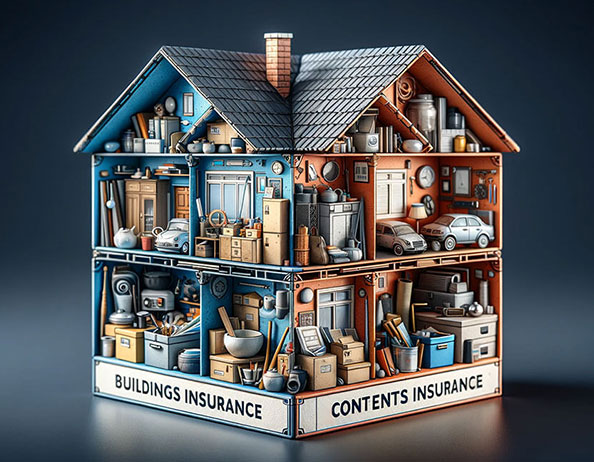
  • Buildings insurance is there to protect the inside and outside of your place.
  • Contents insurance helps cover the things you have in your home.
  • Some plans combine both buildings insurance and contents insurance, so you get cover for both at the same time.

Combined policies usually help people get the best money off in total.

Is it worth protecting your home insurance no claims bonus?

You can sometimes add no claims bonus protection for a little more money. This helps you keep your claims bonus if you make a few claims.

However:

  • Bonus protection does not keep your premium from going up.
  • It only keeps your discount safe.
  • Insurers still change the base premium when you make a claim.
  • Rules are very different for each provider.

It can help people who live in homes with higher risks. It may also be good for houses that have made claims before. But, it does not offer full protection.

What is the average annual home insurance premium in the UK?

The average cost for buildings and contents insurance is about £391 each year, based on what leading providers and comparison sites show.

Premiums vary widely due to factors like:

  • Property type
  • Rebuild cost
  • Claims history
  • Flood, storm or escape-of-water risk
  • Local crime rates
  • Security measures

Renewal quotes can be more expensive than new prices from the market. This is why many people like to look around and compare options before they renew.

Is it worth protecting your home insurance no claims bonus

Are home insurance quotes usually for annual premium amounts?

Yes. The price you see for home insurance is usually shown as the yearly cost. Many companies let you pay each month in smaller amounts.

Quotes often include:

  • Annual cost
  • Monthly cost (with added interest)
  • Buildings-only pricing
  • Contents-only pricing
  • Optional extras priced separately

Paying every year is often less expensive. Monthly payments often add interest or credit fees.

What information do I need to get an accurate annual home insurance premium quote?

Insurers need to know the right information about you, your things, and your claims record. The usual facts are:

Personal information

  • The name, age, and job.
  • The people who live in the property.
  • If you work from home.
  • Your past insurance record.
  • Any claims made before, most of the time in the last 3 to 5 years.

Property details

  • The full address and postcode
  • The year the building was made
  • How many bedrooms there are
  • The type of construction
  • The type of roof and what shape it’s in
  • If there are any extensions, loft conversions, or changes to the structure
  • Security features like locks, alarms, and lighting
  • If the home sits in an area where floods could happen

Rebuild and contents values

For buildings insurance, they look at how much it would cost to rebuild your home. They do not use the price you could sell it for.

For contents insurance, you’ll need:

  • Gadgets and devices
  • Clothing
  • Furniture
  • Jewellery
  • Any high-value items that need to be listed by itself

Risk-related information

Insurers will ask about:

  • Escape-of-water incidents
  • Storm or flood damage
  • Burglary history
  • Any major repairs or structural concerns

Giving correct information helps to stop problems with your policy. It makes sure you get the right premium.

Compare home insurance quotes from 42+ insurers

Save up to £222* on your home insurance

  • Building insurance
  • Contents insurance
  • Combined buildings and contents insurance

How to cut your home insurance costs beyond no claims

Having a claims bonus is very helpful, but you can also lower your premium in other ways:

Shop around before you renew

Never just accept your renewal quote. Many insurers think people will just renew without checking, so renewal prices are often higher.

Buy early

The best prices show up 14 to 28 days before you need to renew. If you buy early, you can save up to 20% compared to last-minute quotes.

Improve your security

Insurers may offer discounts for:

  • Burglar alarms
  • Security lighting
  • Smart doorbells
  • British Standard-approved locks

Avoid unnecessary extras

Only pay for the cover that you need. Some homes do not need:

  • Accidental damage
  • Home emergency cover
  • High-value personal possessions cover

Pay annually if possible

Monthly payments can have interest rates from 5% to more than 30%.
If you pay once every year, you pay less overall.

To see how much you could save, compare home insurance quotes before your next renewal.

What is the average annual home insurance premium in the UK?

The average yearly price you pay for home insurance in the UK is about £391. This price comes from top comparison sites. The cost you pay can go up or down based on a few things. These include your type of property, where it is, any past claims, how much it would cost to rebuild, if the area is at risk of floods, and how much cover you pick. If your home had water leaks or storm claims before, your home insurance premium will likely be much higher than a low-risk one.

Are home insurance quotes usually for annual premium amounts?

Yes. Most home insurance quotes show the price you pay for a whole year. The insurance companies also let you pay each month. If you pick monthly payments, you often pay extra for interest or credit fees. The whole cost ends up being higher. It’s easier to look at annual prices when you compare policies. You also see the cost for things like optional extras, cover for only your things in the home, cover for only the building, and discounts if you have not made a claim before.

What information do I need to get an accurate annual home insurance premium quote?

To get the right yearly price for your insurance, companies will need to know a lot about you and what you own. They usually ask for things like:

Personal details

  • Age and job
  • Who lives in the home
  • If you work from home
  • Any home insurance claims before (often checked for the last 3 to 5 years)

Property details

  • Full address and postcode
  • Property type and year built
  • Number of bedrooms
  • Construction materials and roof type
  • Security features like approved locks or alarms
  • If the home is in a higher-risk area because of crime, storm damage, or flooding

Rebuild cost and contents value

Insurers set building cover by looking at how much it would cost to rebuild the whole place, not the price you would get if you sell it. Contents cover is based on the total value of what you own. This means things like electronics, furniture, clothing, and jewellery are all part of it.

Risk information

You may be asked about:

  • Past escape-of-water incidents
  • Flood or storm damage
  • Renovations or extensions
  • Any major repairs or structural issues

Giving the right details helps you get honest pricing. It also stops problems when you need to make a claim later.

What information do I need to get an accurate annual home insurance premium quote

FAQs about home insurance no claims bonus

How long does a home insurance no claims bonus last?

Most insurers give discounts for up to five years. But some may let you have them for even longer.

Will switching insurer reset my no claims bonus?

No. Your new insurer will usually take proof of your claim-free years.

How far back do insurers check for claims?

Usually three to five years.

Does a storm or flood claim reduce my discount?

Yes. Claims caused by weather often reduce or take away your claims discount.

Is it worth protecting my no claims bonus?

It helps you keep the discount. But it does not stop your main premium from going up after you make a claim.

Does a no claims bonus apply to both buildings and contents cover?

Yes. When you put your policies together, you can get the biggest discount.

Can I still switch insurer after making a claim?

Yes. But you have to share all claims when you ask for quotes.

Can I get cheaper home insurance by raising my excess?

Yes — but you should only pick an excess that you could really pay if you need to make a claim.

Do all insurers calculate no claims bonuses the same way?

No, each provider has their own way to set up how bonuses get bigger and how claims change them.

Will a single claim always increase my premium?

Some insurance companies do not always make prices go up. If your claim is small or happened for a reason out of your control, there may be no increase.

Does making no claims always guarantee a cheaper premium?

No. Things outside of your control, like inflation, bad weather and rising crime, can still make your premiums go up.

Why is my home insurance going up even though I haven’t claimed?

Premiums can go up even if you have a clean record. This can happen because of inflation. It can also be from higher repair costs, bad weather, or more crime in your city. Sometimes, the company just changes its prices. A no-claims bonus does help with some of this. But it might not fully cancel out higher costs from these things.

Does moving home reset my no claims bonus?

No. Your claims discount stays with you when you move to a new place, as long as the new insurance company will take proof that you did not make a claim before. The price you pay for your insurance might be different if your new house has other risk things.

How long does a home insurance claim stay on my record?

Most insurance companies check your record for the last three to five years. This depends on which company you use. Past claims matter when they decide your price. These claims can change what you pay later, until they are too old and not counted anymore.

Do escape of water claims affect my no-claims discount?

Yes. Water leaks are one of the most costly things to claim. When you make this kind of claim, it usually lowers your discount. You may also see your premium go up for some years after that.

Does a burglary always count as a claim?

If your insurance pays you, it is seen as a claim. This can lower your discount. If nothing gets stolen or broken and no money is paid, then your bonus may not go down.

Can I transfer a no claims bonus from contents-only to combined cover?

Some insurance companies let you do this, but not all. A lot of them see buildings and contents as two different things. You might have to show proof that you have gone without claims for each kind of cover.

Do insurers share information about past claims?

Yes. UK insurers talk to each other using shared databases like the Claims and Underwriting Exchange (CUE). This means you have to tell them about any past claims, even if you go with a new provider.

Does working from home affect my premium or no claims bonus?

It can, based on how you use your home. The insurer may want to know if you keep business items there or if there are a lot of people coming in and out. This does not change your discount right away. But it might change the main price of your insurance.

Will my premium go down every year if I don’t claim?

Not every time. The discount gets bigger each year. However, things like price rises, crime, weather, and repair costs can still make what you pay go up.

Do optional extras affect the value of my no claims bonus?

Extras like accidental damage or home emergency cover will not affect the discount percentage. However, they can change how much you pay in total because the discount is taken from this new amount.

Compare home insurance quotes from 42+ insurers

Save up to £222* on your home insurance

  • Building insurance
  • Contents insurance
  • Combined buildings and contents insurance
4000+ reviews