





Hastings Home Insurance: Cover, Tiers and Prices

Written by Andrea Troy
Reviewed by Pratik Aghera
7 min read
Updated: 25 Sep 2026
Hastings Home Insurance: Cover, Tiers and Prices

Hastings home insurance is a broker-arranged buildings and contents product sold under the Hastings Direct brand, available in three tiers: Hastings Essential, Hastings Direct and Hastings Premier. Hastings Direct advertises home insurance from £127 a year, based on 10% of customers paying less than £127 between 1 January and 31 December 2025 on its own home insurance page.

You can buy buildings only, contents only, or a combined policy that covers both the structure of your home and the belongings inside it. The main differences between the tiers are the buildings and contents limits, the excess you pay towards a claim, and how many optional extras are bundled in.

Free Price Compare arranges home insurance across a panel of 42 providers, so you can weigh Hastings against other insurers on cover level and price rather than headline advertising alone. Below we explain who underwrites the policies, what each tier includes, and the terms every homeowner should check before buying.

Quick Answer: Hastings Home Insurance

  • Three tiers: Hastings Essential, Hastings Direct and Hastings Premier
  • Essential caps buildings at £500,000; Direct and Premier at £1 million
  • The average UK combined buildings-and-contents premium was £375 in Q1 2026 (ABI)
  • Monthly payment is available but spreads cost with interest added
  • Subsidence is covered on standard policies, usually with a higher excess

Last updated: September 2026

Written by the Free Price Compare editorial team | Reviewed September 2026

Who underwrites Hastings home insurance?

Hastings Direct arranges home insurance as a broker, meaning the policy is administered by Hastings but the risk is carried by an underwriting insurer behind the scenes. This is common across the UK market and does not weaken your protection: the underwriter is authorised and regulated by the FCA, and any claim is assessed against the policy wording rather than the brand on the front page. Because a broker places cover with panel insurers, the exact underwriter can vary by policy and over time, so the name on your schedule and policy booklet is what matters. Always read the policy documents you receive at purchase to confirm who is providing the cover and what the claims process is.

Knowing the underwriter matters for two reasons: it tells you who pays your claim, and it confirms your protection under the Financial Services Compensation Scheme, which covers 90% of a valid home insurance claim with no upper limit if an insurer fails. If you are ever unhappy with how a claim is handled, you can escalate free of charge to the Financial Ombudsman Service after the insurer’s final response.

What is the difference between Hastings Direct and Hastings Essential?

Hastings Essential is the entry-level tier with lower cover limits, while Hastings Direct sits above it with higher buildings cover and more features included as standard. Hastings tiers differ mainly in their buildings and contents limits, with higher tiers generally offering broader cover and more features as standard. Essential often comes out cheapest at quote because it carries fewer built-in extras, not because it is a different company. If you have a modest rebuild cost and standard belongings, Essential can be adequate; if you own a larger property or want more accidental damage and home emergency cover bundled in, the higher tiers usually fit better.

A frequent point of confusion is that Hastings Premier can quote lower than Hastings Direct for some households despite the “premier” name. This happens because insurance pricing reflects your specific risk profile and how the underwriter rates each product, not a fixed ladder of price. The tier names indicate the feature set, not a guaranteed price order, so always compare the cover schedule alongside the premium.

Tier Buildings cover Contents cover Typical positioning
Hastings Essential Up to £500,000 Up to £150,000 Lowest features, often cheapest
Hastings Direct Up to £1 million Up to £150,000 More features as standard
Hastings Premier Up to £1 million Up to £150,000 Highest feature set

Figures are indicative and may change. Check your own quote and policy booklet for current limits.

Compare home insurance quotes

Do I need buildings, contents, or both?

Buildings insurance covers the physical structure of your home, contents insurance covers your possessions, and most homeowners need both combined into one policy. Buildings cover protects walls, roof, floors, permanent fixtures like fitted kitchens and bathrooms, and outbuildings against events such as fire, storm, flood and subsidence. Contents cover protects moveable belongings such as furniture, electronics, clothing and valuables against loss or damage. If you own your home, buildings insurance is usually required by your mortgage lender as a condition of the loan. If you rent, your landlord insures the building and you only need contents cover for your own possessions.

Buying a combined buildings and contents policy is generally cheaper than two separate policies and means a single claim, such as a burst pipe damaging both the structure and your carpets, is handled under one excess and one insurer. The average combined buildings-and-contents premium was £375 in Q1 2026, according to the ABI, compared with £306 for buildings only and £117 for contents only, so combining the two is usually the better-value route for owner-occupiers.

What is a sum insured, and how do I set it correctly?

A sum insured is the maximum amount your insurer will pay out, and setting it correctly protects you from being underinsured when you claim. For buildings, the sum insured should reflect the rebuild cost, which is what it would cost to demolish and rebuild your home, not its market value or sale price. Rebuild cost is usually lower than market value because it excludes the land, but for period or unusual properties it can be higher. You can estimate rebuild cost using the free calculator from the Building Cost Information Service, or check your mortgage valuation report. For contents, the sum insured should reflect the total cost to replace everything you own on a new-for-old basis, which most people underestimate until they walk room by room.

Underinsurance is one of the most common reasons claims are reduced. If you insure your contents for £30,000 but they are worth £60,000, an insurer can apply “average” and pay only half of any claim, even a partial one. High-value items such as jewellery, bikes and laptops often have a single-item limit, so list anything above that limit separately as a specified item. It is worth reviewing your sum insured each renewal, especially after home improvements or major purchases.

What is a sum insured, and how do I set it correctly

Not sure how much cover you need?

Compare combined buildings and contents quotes across our panel in minutes.

What is a home insurance excess?

A home insurance excess is the amount you agree to pay towards a claim before your insurer covers the rest. Most policies have a compulsory excess set by the insurer plus a voluntary excess you choose yourself. One example policy showed a Hastings Essential quote with a compulsory excess and a total sum insured, though your own figures depend on the property and cover level. Raising your voluntary excess usually lowers your premium because you are taking on more of the risk, but only increase it to an amount you could comfortably pay if you had to claim tomorrow.

Some claim types carry a separate, higher excess. Subsidence claims in particular often have an excess of £1,000 or more, reflecting the cost and complexity of ground-movement repairs. Always check both the standard excess and any peril-specific excesses on your policy schedule, because a low headline premium with a high subsidence or escape-of-water excess can cost more when you claim.

Is subsidence covered by Hastings home insurance?

Subsidence is covered on standard buildings insurance policies, including Hastings, usually subject to a higher excess than other claim types. Subsidence is the downward movement of the ground beneath your property, which can crack walls and destabilise foundations, and it is a standard insured peril on buildings cover. Because subsidence repairs are expensive and can take months, insurers typically apply a subsidence excess of £1,000 or more and may ask for a survey before agreeing the work. If your property has a history of subsidence or is undergoing repair, cover becomes harder to arrange and you may need a specialist insurer rather than a mainstream broker.

Ground-movement risk is rising. Domestic flood claims rose 38% to £312 million in 2025, with the average flood payout up 60% to around £30,000, according to industry analysis of that year’s weather-related claims. Dry summers also drive subsidence spikes, so if you live in an area of shrinkable clay soil it is worth confirming the subsidence terms before you buy, and never letting a policy lapse mid-claim.

See what other insurers cover

Can I pay for Hastings home insurance monthly?

Yes, you can pay for Hastings home insurance monthly, but paying by instalments usually costs more overall than paying the full premium upfront. One comparison listing showed a Hastings Essential policy priced at £212.87 paid annually versus a £20.19 first payment plus 11 monthly payments of £19.53, totalling £235.02 across the year. The gap of around £22 is the interest, or annual percentage rate, added for spreading the cost. Monthly payment is a credit agreement regulated by the FCA, so the APR must be shown clearly before you commit.

Whether monthly is worth it depends on your budget. If paying the full amount at once would strain your finances, spreading it can be sensible even with interest. If you can pay upfront, you avoid the extra cost. Always compare the annual total against the monthly total, not just the monthly figure, so you can see exactly what the finance adds.

How much is home insurance per month in the UK?

Home insurance in the UK costs around £31 a month on average for a combined buildings and contents policy, based on the ABI’s Q1 2026 average annual premium of £375 spread across the year. The ABI reported that this average was down £5 quarter-on-quarter and 5% lower year-on-year, with buildings-only cover averaging £306 and contents-only £117 annually. Your own price depends on your postcode, rebuild cost, contents value, claims history, security and the excess you choose, so quotes vary widely between properties.

Prices have moved through 2026. Home insurance premiums fell around 9% year-on-year in January 2026 before edging up about 1% in June, the first notable monthly rise after a long run of falls, according to market analysis of Defaqto data. That shifting trend is why comparing at renewal rather than auto-renewing matters: the market average masks large differences between insurers for the same home.

How does Hastings compare with other home insurers?

Hastings competes on price against mainstream brands but sits mid-table on customer satisfaction, so comparing on cover and service alongside premium is the sensible approach. Independent satisfaction research has placed Hastings around the middle of insurer rankings, below some larger household names, so a low quote should be weighed against how the insurer handles claims. Comparing several insurers for the same property is the only reliable way to see where Hastings lands for you, because pricing is individual to your risk.

It is worth lining Hastings up against other panel insurers. You can review our guides to Admiral home insurance, Halifax home insurance, Policy Expert home insurance and Lloyds home insurance to see how their tiers, limits and excesses stack up. If you own outbuildings, our explainer on whether home insurance covers garden sheds is also worth a read before you set your buildings sum insured.

Compare 42 home insurers in one search

Does house insurance cover ongoing repair work?

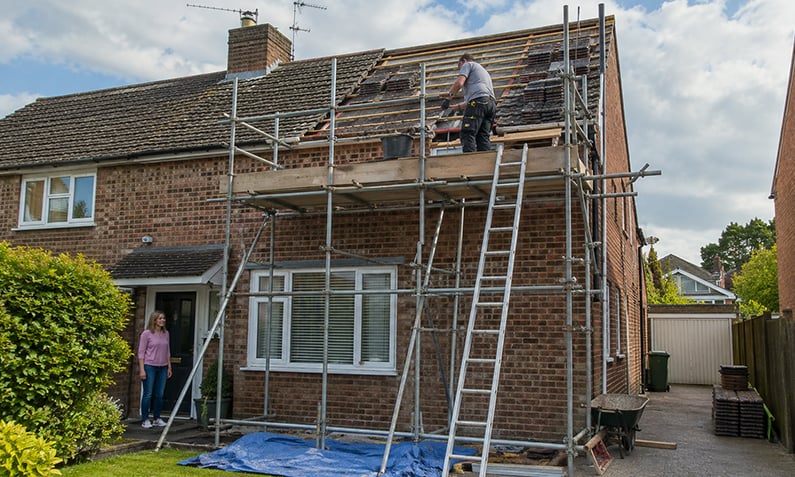
House insurance does not cover damage caused by ongoing repairs, renovation defects or general wear and tear, because insurance is for sudden and unforeseen events rather than maintenance or building work. If a leak, crack or other problem is already known and repairs are underway, an insurer will usually decline related claims and may pause or refuse cover while the work continues. Damage caused by faulty workmanship or a defect that develops gradually is also typically excluded. If you are renovating, tell your insurer, because unoccupied or under-renovation properties often need specialist cover or a policy endorsement.

If your home is undergoing subsidence repairs specifically, most standard insurers will not take on the risk mid-repair, and you may need a specialist who insures properties with active ground-movement work. Once repairs are certified complete and a structural engineer signs off, mainstream cover usually becomes available again, though you should expect to declare the history at every quote.

Does house insurance cover ongoing repair work

FAQs about hastings home insurance

What is the Hastings home insurance contact number?

Hastings Direct publishes its home insurance and claims contact numbers on the contact section of its website and in the policy documents you receive when you buy. New claims should always be reported to the number shown on your own schedule, as the underwriter can vary. Keeping your policy booklet to hand means you have the correct claims line ready if you need it.

Where do I log in to my Hastings home insurance account?

Hastings Direct customers manage policies through the Hastings Direct online account and mobile app, using the email and password set up when the policy was bought. From there you can view documents, update details and start a claim. If you cannot access your account, use the password reset option or contact Hastings using the number on your policy schedule.

Are Hastings home insurance reviews positive?

Hastings home insurance reviews are mixed, with the brand generally rated mid-table for customer satisfaction in independent research. Some customers report competitive pricing and smooth renewals, while others raise concerns about claim handling speed. Because experiences vary, it is worth reading recent reviews alongside the policy wording and comparing several insurers before deciding on price alone.

Is Hastings Essential the cheapest Hastings policy?

Hastings Essential is usually the lowest-priced tier at quote because it carries fewer built-in features and lower cover limits than Hastings Direct or Hastings Premier. However, pricing is individual to your property, so the cheapest tier at quote depends on how the underwriter rates your risk. Always compare the cover schedule, not just the premium, to check the cheaper tier still meets your needs.

Can Hastings refuse home insurance based on my occupation?

Insurers can decline or price cover differently based on occupation, because certain jobs are associated with different claim risks. If one insurer refuses or quotes highly, it does not mean cover is unavailable elsewhere, as each insurer rates occupations differently. Comparing across several providers is the best way to find one that offers acceptable terms for your circumstances.

How do I get home insurance for a house I have not bought yet?

You can arrange home insurance for a property you are buying by setting the cover start date to your completion date, which is when you become responsible for the building. Most insurers let you buy in advance and choose a future start date at quote. You will need details such as the address, rebuild cost estimate and any known risk factors like flood history.

Does Hastings home insurance include accidental damage?

Accidental damage is often an optional extra or included at higher tiers rather than standard on entry-level cover. Standard policies cover named perils like fire, theft and flood, while accidental damage covers one-off mishaps such as putting a foot through the loft ceiling or spilling paint on a carpet. Check your policy schedule to see whether accidental damage is included or needs adding.

What happens if I underinsure my contents?

If you insure your contents for less than their full replacement value, your insurer can reduce any payout proportionally, a rule known as average. For example, insuring for half the true value could mean receiving only half of an otherwise valid claim, even a partial one. Walking through each room to total replacement costs at renewal helps you set an accurate sum insured.

Buildings insurance is not required by law, but it is almost always a condition of a mortgage, so most homeowners with a loan must hold it. If you own your home outright, cover is optional but strongly advisable, as rebuilding after a fire or flood without insurance could cost hundreds of thousands of pounds. Landlords insure the building, so tenants only need contents cover.

How long does a home insurance claim take to settle?

A straightforward home insurance claim, such as a theft or minor water leak, can settle within a few weeks, while complex claims like subsidence or major flooding can take many months. Timescales depend on surveys, repairs and the availability of contractors. If a claim is delayed unreasonably, you can raise a complaint with the insurer and, after their final response, escalate free to the Financial Ombudsman Service.

Does home insurance cover a burst pipe?

Home insurance covers sudden damage caused by a burst pipe, including water damage to the structure and, if you have contents cover, to your belongings. This falls under escape of water, a standard insured peril, though a specific escape-of-water excess may apply. Gradual leaks that develop over time from poor maintenance are usually excluded, so acting quickly on any leak protects your claim.

Should I compare home insurance every year rather than auto-renewing?

Comparing home insurance at each renewal usually beats auto-renewing, because the market average masks large price differences between insurers for the same property. Premiums shifted through 2026, falling around 9% year-on-year in January before edging up in June, so last year's competitive price may no longer be. A few minutes comparing across insurers can reveal a better cover level for a similar or lower price.

Also Read Related Articles


Information correct as of 24 September 2026. Prices, tariffs, policy details and providers change frequently, so please check the latest details before making a decision. This article is for general information only and does not constitute financial advice. Free Price Compare is authorised and regulated by the Financial Conduct Authority (FCA).

4000+ reviews