




The Climate Change Insurance Crisis: What You Need to Know

December 8th, 2025
The Climate Change Insurance Crisis: What You Need to Know

Content in this article

Why climate change is becoming an insurance crisis in the UK

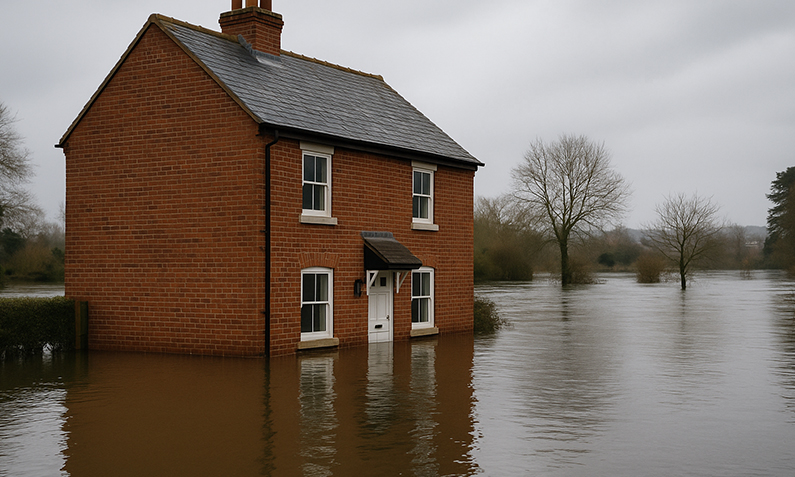
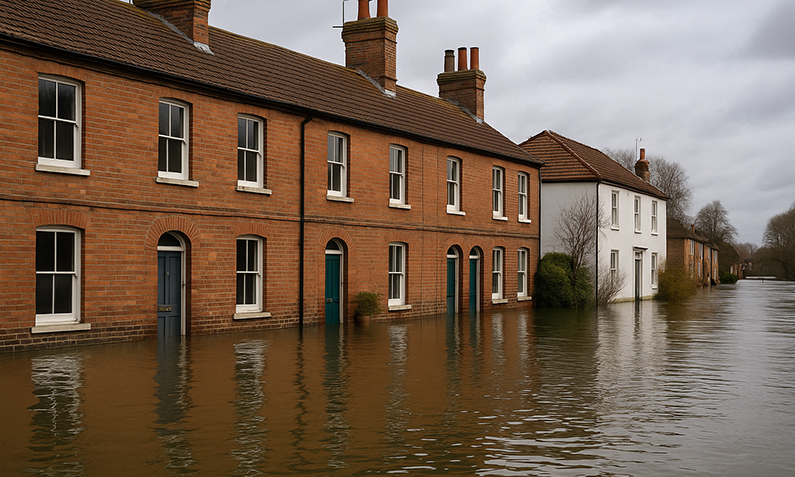
Climate change is making it tough for people in the UK to get home insurance. The risks of floods are going up. Storms are happening more often, and the damages from bad weather are costing more. Because of this, insurance is getting harder to find and prices are higher than ever. In some areas, you can not get insurance for your home at all. This leaves people open to bigger risks. It also raises worries about the future value of their homes, trouble with keeping up with mortgages, and what might happen to their money overall.

In the last ten years, extreme weather has gotten much worse. All over the world, floods happen much more often. In the tropics, they are now four times as common. In places at mid-latitude, floods come up about 2.5 times more than before. In the UK, one out of six people live with flood risk. Heavy rain happens more often now, too, and this keeps going up every year. If people do not use any adaptation measures, annual damage could grow by 27% by the 2050s.

The Association of British Insurers said people got a record £585 million in payouts for home weather damage in 2024. This shows that bad weather is now a regular problem, not something that happens rarely.

Reviewing premiums? Compare home insurance options today

How climate change is disrupting the UK home insurance market

A growing mismatch between risk and insurance models

Traditional insurance models used to see big floods, storms, and heatwaves as rare and not likely to happen. But now, climate change is changing the way we look at these risks.

  • There are now more extreme events than before.
  • Weather problems have become more serious.
  • These events do not happen alone. They often come in groups.
  • A bigger part of the UK is now at risk.

The “tail” of risk is now bigger. Insurers are changing their prices to match this new way things are.

Rising premiums and coverage withdrawal

As there be more and worse storms over time, insurance companies get more claims. Their costs for reinsurance also go up. This leads to:

  • The premiums have gone up a lot.
  • The excess, especially for flood claims, is now higher.
  • There are more limits on what is covered.
  • Some insurers have fully pulled out of areas with high risk.

For homes that have had a flood claim before, the price of insurance has gone up a lot. Some people have seen their premiums double or even triple.

Homes at risk of becoming uninsurable

One really big problem is that more houses are becoming uninsurable homes. If you can’t get insurance for your home, or the cost is too high, you may not like what happens next.

  • Many households can lose money.
  • The value of property can go down.
  • People who lend for homes often have to be careful and may set stricter rules.
  • Some buyers may not want to buy in risky places.
  • Over time, when nobody wants to put money into these areas, some communities may get worse.

If your premiums went up after a weather event, it can help to compare home insurance. This way, you may find better prices for the cover you need.

Need more protection? Check home insurance choices now

Flood Re: the UK’s insurance safety net — and its limits

How Flood Re was designed to help

The government started Flood Re in 2016 to stop a big problem with insurance in the UK. Flood Re is a plan made by both the UK government and insurance companies. It helps with the insurance crisis.

  • Keep the cost of premiums low in high-risk areas
  • Let insurers give high-risk policies to Flood Re
  • Help make home insurance easy to get for households where floods can happen
  • Be a temporary bridge while flood defences get better

The scheme is set to finish in 2039. The plan is to make sure that flood resilience will get much better before that time.

Why Flood Re is now under pressure

By 2025, Flood Re has been having some problems.

  • The cost of reinsurance went up by £100 million over three years.
  • More people bought policies, jumping by 20% in one year.
  • Private insurers started to leave high-risk markets.
  • Work on flood defences is behind schedule.

In January 2024, the House of Commons Public Accounts Committee said the government’s flood-defence plan is behind. The plan was set for £5.2 billion. It is running 40% late. Now, it will keep only 200,000 homes safe by 2027. The first goal was 336,000 homes.

Reduced national resilience

Flood Re’s CEO said UK flood resilience is not as good now. In fact, it has gotten worse.

  • A lot of mortgage lenders do not think enough about climate risk.
  • Many housebuilders keep working in flood zones.
  • Local authorities often have a tough time with planning pressures.
  • Governments have not moved fast to provide climate adaptation.

Flood Re: the UK’s insurance safety net — and its limits

The growing financial risk for households and mortgage lenders

Homes losing value due to climate impacts

If the UK does not reach its goals for adapting to climate change, around 3 million UK properties might lose their value in the next 30 years. This will happen because they will be:

  • The property cannot be insured.
  • It will be very costly to fix.
  • A mortgage is not possible for it.
  • It can be hit by floods again.

There is now a real worry about property value risk for lenders and people who own homes, not just for those who sell insurance.

Worried about rising risks? Explore home insurance options

Stranded assets in the housing market

Banks use insured homes as backup when they give out mortgages. If the insurance is taken away:

  • The value of the collateral goes down fast.
  • More people cannot pay their mortgage.
  • Banks have to write down more bad loans.
  • It gets harder to get credit in the market.

This is like what happened in the financial system during the 2008 crisis. But now, it is because of physical climate damage instead of wrong prices on money matters.

Climate-adjusted mortgage models

To lower big risks, lenders need to start using climate-adjusted models. They have to make sure these models include:

  • The chance of a flood
  • Being at risk in a storm
  • How likely you are to get hurt by heatwaves
  • Coastal erosion
  • How strong local defences are
  • How well buildings and roads handle problems

If these updates are not made, lenders could guess future losses are much smaller than they really are.

If you are looking over your money or renewing your cover, it is a good time to look at home insurance choices. Doing this can help you stay safe.

Compare home insurance quotes from 42+ insurers

Save up to £222* on your home insurance

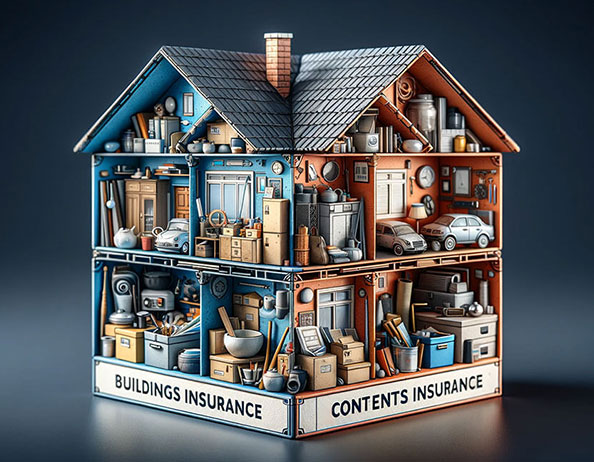
  • Building insurance
  • Contents insurance
  • Combined buildings and contents insurance

Why extreme weather is pushing the insurance system to breaking point

Extreme weather events no longer fit historic patterns

The UK is experiencing:

  • There will be more winter storms happening often.
  • Rain during storms will be much stronger.
  • Rivers will spill over their banks faster.
  • Heatwaves will last a longer time.
  • Flooding from surface water will be larger.

These events happen at the same time and build on each other. They do not take place alone.

The “fat tail” problem

Insurers used to think that things like 1-in-100-year floods would not happen very often. Now, because of the weather changing, these once rare events happen a lot more. This has led to “fat tails,” which means that big risks are coming up more often than they did before.

This drives up:

  • Premiums
  • Excesses
  • Reinsurance costs
  • Market volatility

Regional hotspots: where risk is rising fastest

Certain areas are particularly vulnerable:

  • Somerset Levels
  • Yorkshire valleys
  • Coastal regions
  • River-adjacent towns
  • Areas with ageing flood infrastructure

Insurance companies are now more careful when they offer cover for properties in these areas.

Extreme weather risk is also impacting:

  • Power lines
  • Substations
  • Transmission networks
  • Gas infrastructure

These problems can make repair costs go up. They can also change how the larger money system works. Some people look at home insurance again when it’s time to renew. At the same time, they check their energy bills. They often use tools to compare energy prices when they plan out their money.

What UK households can do to reduce insurance risk

Improve property resilience

Improving how your property holds up against floods can help lower what you pay for insurance. This also cuts down the chance of damage when the flooding happens.

  • Put in flood doors and air-brick covers.
  • Lift electrical sockets so they sit higher.
  • Move boilers up to the top floors.
  • Use flooring that water will not damage.
  • Make drainage better all around the house.

Some insurance companies give “resilience discounts” when you add things that help protect your home from floods.

Check if your home qualifies for Flood Re

Not every property can get this. For example, the offer does not cover places used for business or homes people rent out. But many homes where the owner lives do fit and can have it.

See if you can get your premiums lowered by checking your eligibility

Maintain realistic expectations about premiums

Premiums may go up if climate risks get worse. It’s good to plan your budget with this in mind. Look at different policies each year and compare them. This can help you get a better price and avoid sudden costs.

Monitor local climate adaptation programmes

Local authorities put out rules for climate and flood risks. The rules can change:

  • Property value
  • Insurance availability
  • Local premiums
  • Mortgage flexibility

Keeping up with local adaptation plans can help you see long-term risks. It lets you know what might happen in the future. You get these updates to understand how changes today may affect people later on. This way, you can make better choices for your plan.

What UK households can do to reduce insurance risk

Can low-income homeowners access support for flood risk home insurance?

Low-income people who own homes often find it very hard to live in a flood risk area. This is because many home insurers make their premiums go up. Some also give less help when it comes to covering homes. The good news is there are a few groups and plans that help people who have to deal with the risk of flooding or high prices because of long term flood risk.

Flood Re support for eligible households

The UK Flood Re scheme is run together by the government and the insurance industry. The aim is to help keep buildings insurance and contents insurance affordable for homes that have a high risk of flooding. This joint scheme does not cover homes in Northern Ireland, but it is for most homes in England, Wales, and Scotland if they meet certain rules.

Key points for low-income households:

  • Flood Re is set up by the insurers that take part in it.
  • Premiums stay under a limit that matches the council tax band.
  • It helps keep down costs if the home has had insurance claims before.
  • It works for buildings, contents, or both, based on what the policy says.

The scheme does not include every home. Houses built after 1 January 2009 are not part of it. Buy-to-let portfolios are also not covered. But many people who live in their own homes can still get help from this scheme.

National Flood Forum support

The National Flood Forum gives personal help to people. You can get support such as:

  • Learn about insurance policies.
  • Handle premiums well.
  • Find insurers that will give cover for high-risk places.
  • Make your home better with stronger flood defences.
  • Get flood warnings and use risk-mapping data.

It can help people who got flooded for the second time and now can’t get covered.

Local authority and community schemes

Some councils in places that have a high flood risk help people by giving them resilience grants. They also offer ways to protect houses or link them to local flood groups. These steps can help insurance companies set prices, as they bring down risk over time.

Why low-income homeowners are most affected

As the impacts of climate change grow and severe events happen more often, insurers have little choice but to raise their prices. This puts more stress on lower-income families. Many of them have little savings or live in areas with more risk because houses cost less there.

If the rising cost of your premiums is putting a strain on your budget, you can look at different home insurance options to find a plan that fits your needs. This way, you may get more affordable cover.

Compare home insurance quotes from 42+ insurers

Save up to £222* on your home insurance

  • Building insurance
  • Contents insurance
  • Combined buildings and contents insurance

The UK has a few laws in place to help people deal with higher insurance risks caused by climate change. These rules are there for your protection, but they can change depending on where you live and which insurance company you use.

Consumer protection through the Financial Conduct Authority (FCA)

All home insurers have to follow the rules from the FCA.

  • Clear communication
  • Fair treatment
  • Reasonable claim-handling times
  • Transparent pricing

If a policy gets cancelled and it’s not fair, or if your claim is turned down for no good reason, you can take your case to the Financial Ombudsman Service.

Flood Re legislation

Flood Re is backed by laws. This helps make sure insurers follow the scheme. Homeowners get some rights because of this. Flood Re gives the holders of home plans these rights.

  • You can get insurance with fixed, limited premiums.
  • All insurers must be part of high-risk groups.
  • There is a clear system for how to price high-risk insurance.

Although the home insurance scheme is not permanent, it is still one of the best ways for people living in flood zones to protect themselves. This home insurance helps households feel safe when there may be floods.

Planning rules and property development controls

Planning authorities have to think about the risk of a wider financial crisis from homes that are not insured. They must look at this when they make decisions.

  • Local flood maps help people see which places might have the risk of flooding in their area.
  • Surface water risks show where water collects above ground after heavy rain. This can be a problem for homes, roads, and parks.
  • River and coastal flooding happens when rivers get too full or the sea comes inland. It affects land, houses, and businesses close to water.
  • Boundary walls and drainage systems can help stop water from getting in and guide it away. Good walls and drainage make it safer for people and keep homes dry.

Bad planning can be a problem if a new development does not follow national resilience guidelines.

Homeowners have the right to:

  • Ask for further details if your cover is not given.
  • Ask to know the basis of risk assessment.
  • Point out any errors in flood-risk mapping.
  • Look for other policies with the National Flood Forum.

Insurers have to look at what the property owner has done to lower risks before they say no to coverage.

Protection of mortgage borrowers

Mortgage lenders need to make sure people are not facing money risks they can’t handle. UK regulators now see this problem as a warning sign of a much broader crisis. Because of this, lenders must do more to help keep people safe.

  • Check the flood risk when you do underwriting.
  • Do not set the wrong price for high-risk properties.
  • Use UK resilience ratings in your checks.
  • Stop people from having homes that they cannot insure or sell.

This is very important to stop problems with property portfolios in the banking sector.

Leading universities such as Loughborough University (at its London campus), the Universities of Oxford, and St Andrews do important work. These schools are known in the Good University Guide, the Sunday Times, and the independent QS Stars university rating scheme. They help shape UK climate resilience policy. Their research leads to better climate risk modelling. It also helps make better laws and helps more people in the UK know about climate risk.

Projects that get money from national programmes, research excellence frameworks, and big awards like the Queen Elizabeth Prizes help people who make rules. These projects let them build good and strong plans to protect against floods. With this support, the models they use are ready for the future and can be enforced by law.

Without these frameworks, millions of households could have:

  • Higher premiums
  • Loss of property value
  • Restricted mortgage access
  • Exposure to climate-driven damage

For some people, when they can’t pay for home insurance, it turns into a personal disaster. It’s like finding your living room full of water and learning the place can’t be insured anymore.

FAQs about the climate change insurance crisis

Why are home insurance premiums rising so quickly?

More storms, floods, and other extreme weather events happen now. This brings more claims for insurance companies. Because of this, insurers raise their prices or give less coverage to people.

What does it mean if my home becomes “uninsurable”?

Some properties cannot get basic home insurance. This makes it hard or even not possible to get a mortgage for the home. It also causes the value of the property to go down.

Are all flood-risk areas facing premium increases?

Not always. Properties that are included in Flood Re might have steady premiums. But if a property is not in the flood re scheme, the owner could see the premium go up by a lot.

Does climate change affect mortgage lending decisions?

Yes. More and more mortgage lenders now look at climate risk. They do this when they check if you can afford a loan. They also think about it when they look at the long-term value of the property.

Can Flood Re stop premiums from rising?

Flood Re can help make sure the price you pay for insurance stays fair. But, if there is more extreme weather in the future, it will not stop prices from going up over time.

What should I do if my insurer withdraws coverage?

Get in touch with other insurance companies. Check if your home is eligible for Flood Re. You can also look into ways to make your property stronger against floods because some insurers may give rewards for this.

Will climate change make home insurance impossible to afford?

Costs may not increase right away. But in places where the risk is high, costs could go up a lot if there are no stronger adaptation steps by the country.

Are there any other SERP/AI-intent FAQs to add?

Yes:

What areas of the UK are most at risk of becoming uninsurable?

Coastal towns, river floodplains, and places that flood often are some of the highest risk.

Does home insurance cover climate-related damage automatically?

Storm and flood damage are often covered, but some insurance companies are making rules stricter or asking for higher excess fees in places that have a lot of risk.

How can I check if my property is at flood risk?

Flood maps from the Environment Agency, Scottish Environment Protection Agency, and Natural Resources Wales show current information.

Can I still get a mortgage if my home is high-risk?

Lenders can ask you to show that you have insurance. If the same property has climate problems many times, some lenders may not approve your application.

What improvements reduce flood-risk premiums?

Flood doors, non-return valves, raised electrics, and drainage improvements all help to lower costs over time.

Compare home insurance quotes from 42+ insurers

Save up to £222* on your home insurance

  • Building insurance
  • Contents insurance
  • Combined buildings and contents insurance
4000+ reviews