

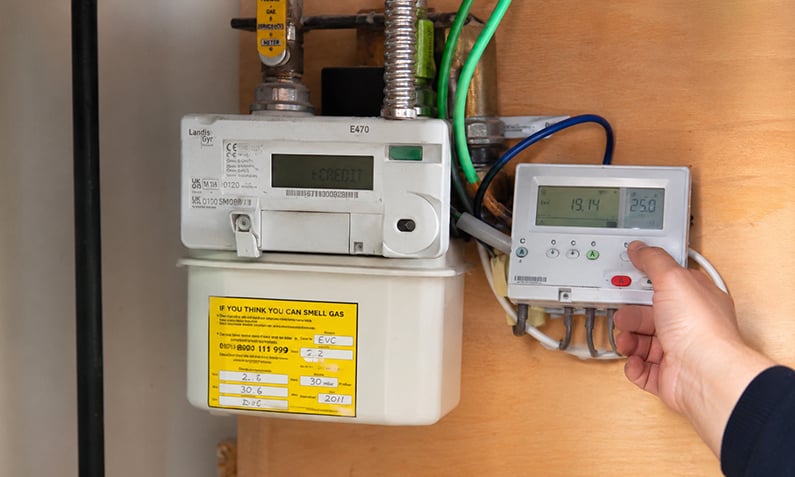




What Is a SMETS2 Smart Meter and How Does It Work?

Written by Tim Bailey
Updated: 28 Jul 2026
What Is a SMETS2 Smart Meter and How Does It Work?

A SMETS2 smart meter is the second-generation UK smart meter that records your gas and electricity use automatically and sends those readings to your energy supplier over a shared national network. SMETS stands for Smart Metering Equipment Technical Specifications, the government standard that sets the security and functionality rules every smart meter must meet. SMETS2 has been the standard installed in homes since 2018, replacing the first-generation SMETS1 model.

  • SMETS2 connects to the Data Communications Company (DCC) network from the moment it is installed.
  • Because it uses that shared network, it keeps working as a smart meter when you switch energy supplier.
  • It is installed at no separate charge, with costs spread across energy bills like a standard meter.
  • It gives you access to smart-only and time-of-use tariffs that cheaper deals often require.

How a second-generation smart meter actually works

A SMETS2 smart meter measures your gas and electricity consumption and transmits half-hourly or daily readings to your supplier without you submitting manual readings. The system has three parts: the electricity meter, the gas meter, and a communications hub that links both to the national network. An in-home display, often a small screen on your kitchen worktop, shows your usage and spending in near real time.

The key difference with SMETS2 is the network it uses. It connects directly to the Data Communications Company (DCC), the body that runs and maintains the central system all UK smart meters communicate through. In the north of England and Scotland this uses a long-range radio network, while the rest of Great Britain uses a mobile data link. Either way, the meter is not tied to the supplier that fitted it.

SMETS1 vs SMETS2: why the generation matters

SMETS2 is the newer standard that solved the main weakness of SMETS1 meters, which often lost their smart features after a supplier switch. SMETS1 meters were rolled out between 2013 and 2018 and were originally linked to the supplier that installed them. If you moved to a new supplier, many SMETS1 meters went “dumb” and reverted to manual readings until they were migrated onto the DCC network.

SMETS2 meters avoid that problem because they join the DCC network at the point of installation. The Department for Energy Security and Net Zero (DESNZ) and Ofgem oversee the standard, with the DCC handling connectivity. If you have lost smart functionality after a switch in the past, our guide to smart meter compatibility issues on energy switching explains your options.

Feature SMETS1 SMETS2
Rollout period 2013 to 2018 2018 onwards (current standard)
Network connection Originally linked to installing supplier DCC national network from install
Stays smart after switching Not always (many needed migration) Yes
Still being installed No Yes, almost all new installs

Figures are indicative and may change.

Check current energy tariffs

Where the SMETS2 rollout stands in 2026

SMETS2 is now the dominant smart meter type in Great Britain, according to official DESNZ statistics. The DESNZ Q4 2025 Smart Meters Statistics Report, published on 19/03/2026, recorded 41 million smart and advanced meters in homes and small businesses by the end of 2025. Of those, 27 million were SMETS2, 13 million were SMETS1, and 1.3 million were advanced meters.

That report also shows 71% of all meters in Great Britain are now smart or advanced, with over 37 million operating in smart mode. Installation activity has slowed as the market reaches saturation, with 2.8 million smart and advanced meters fitted across 2025, a 5.8% fall on 2024. Government policy is moving toward a framework under which suppliers must take all reasonable steps to install smart meters in domestic properties, with a long-term target stretching to the end of 2030.

For households, the practical point is that almost every new meter being fitted today is a SMETS2 model. You can read more in our overview of the UK smart meter rollout.

Where the SMETS2 rollout stands in 2026

Does a SMETS2 smart meter cost anything to install?

A SMETS2 smart meter is installed with no separate charge added to your bill, according to Ofgem and Smart Energy GB. As with traditional meters, the cost of the device, its installation and its ongoing maintenance is recovered through standing charges and unit rates across all customers, not billed to you as a one-off fee. You will not see a line item for the meter or the in-home display.

Installation usually takes one to two hours and is carried out by an engineer from your energy supplier. Your gas and electricity supply will be switched off briefly during the work. There is no obligation to accept a smart meter, but suppliers are expected to offer one to every household over the rollout period.

See what a smart meter can do for your bills

Smart meters help you track and cut your energy usage by providing real-time information about how much gas and electricity you’re consuming. This visibility makes it easier to identify where you’re using the most energy and adjust your habits accordingly, potentially reducing your bills.

SMETS2 and access to cheaper smart tariffs

A SMETS2 smart meter is usually required to access smart-only and time-of-use electricity tariffs, which can be among the cheapest deals available. Time-of-use tariffs charge different unit rates across the day, and they only work because a smart meter can record your usage in each half-hour period. Without that half-hourly settlement capability, you cannot be billed accurately on these tariffs.

Examples include overnight tariffs that offer a cheap window of several hours for charging an electric vehicle, and weekend or off-peak deals that cut electricity rates at set times. Suppliers typically install a free SMETS2 meter if you join one of these tariffs without one. Shifting some usage, such as running the dishwasher or washing machine, into cheaper periods is how households save on these deals.

Even on a standard variable tariff, a smart meter ends estimated billing and shows your spending as you go. For more ways to bring costs down, see our tips on how to reduce your electricity and gas bills.

Compare smart tariff deals

How SMETS2 fits with the energy price cap

A SMETS2 smart meter does not change the price cap that applies to your tariff, but it can help you choose between capped and fixed deals with confidence. Ofgem’s energy price cap limits the maximum unit rates and standing charges a supplier can charge a typical household on a standard variable tariff, not the total bill, which still varies with how much you use. From 1 July to 30 September 2026, Ofgem announced the cap would rise by 13% to around £1,862 a year for a typical dual-fuel household paying by Direct Debit, based on its published figures.

That figure is a benchmark for typical use and will change at the next review. Ofgem has said the levels for 1 October to 31 December 2026 will be published by 26 August 2026. With accurate readings from a SMETS2 meter, you can compare your real usage against fixed and smart tariffs rather than relying on estimates.

Compare energy deals for your home

SMETS2 meters and the network signal change

SMETS2 meters are designed to keep working without you needing a separate broadband connection, as they use the DCC’s own network rather than your home internet. Some older SMETS1 meters relied on 3G or 2G mobile signals that are being switched off, which is one reason migration onto the DCC network has been a priority. SMETS2 meters use the dedicated smart metering network, so most should not need a manual signal upgrade from you.

If your in-home display stops updating, that is usually a display or connection fault rather than a meter failure, and the meter itself often keeps recording and sending readings. Your supplier can troubleshoot the hub remotely or arrange a visit. If you are unsure how your smart meter differs from a smart thermostat, our guide on a smart thermostat versus a smart meter sets out what each one does.

SMETS2 meters and the network signal change

FAQs about what is a SMETS2 smart meter

How do I know if I have a SMETS1 or SMETS2 meter?

Check the make and model on your meter against your supplier’s records, or simply ask your supplier directly, as they can confirm the generation from your account. A useful clue is whether your smart features survived a supplier switch: SMETS2 meters keep working after you switch, while many SMETS1 meters lost functionality. Meters installed from 2019 onwards are almost always SMETS2.

Will my smart meter stay smart if I switch supplier?

A SMETS2 smart meter stays smart when you switch supplier because it connects to the shared DCC national network rather than to one company. Your new supplier picks up your half-hourly or daily readings automatically, so you keep automatic billing and access to smart tariffs. Older SMETS1 meters sometimes lost smart features on switching, though most have now been migrated onto the same network.

Is a SMETS2 meter free to install?

There is no separate upfront charge for a SMETS2 smart meter installation, and you will not see a one-off fee on your bill. The cost of the meter, the engineer’s visit and ongoing maintenance is spread across all customers through standing charges and unit rates, the same way traditional meters are funded. You also receive an in-home display at no extra cost.

Will a smart meter make my bills cheaper?

A smart meter does not automatically lower your bills, but it gives you the information and tariff access to reduce them. It ends estimated billing, shows your spending in near real time, and lets you join time-of-use tariffs where shifting usage to cheaper periods can cut costs. The saving comes from changing how and when you use energy, not from the meter alone.

Can a SMETS1 meter be upgraded to SMETS2?

A SMETS1 meter is not converted into a SMETS2 unit; instead, most SMETS1 meters are migrated onto the DCC network so they regain smart functionality without a physical replacement. This migration is handled remotely by the DCC and your supplier, so you usually do not need an engineer visit. If a SMETS1 meter cannot be migrated, your supplier may eventually replace it with a SMETS2 model.

Does my SMETS2 meter need a 4G upgrade?

Most SMETS2 meters do not need any action from you regarding network signal, because they use the dedicated DCC smart metering network rather than the public mobile signals being phased out. The concern over 2G and 3G switch-off mainly affected some older SMETS1 meters. If your supplier needs to update how your meter communicates, they will arrange it without requiring you to buy or install anything.

Do I have to accept a smart meter if my supplier offers one?

No, you are not legally required to have a smart meter, and you can decline if you prefer to keep your existing meter. Suppliers are expected to offer one to every household as part of the national rollout, but the choice remains yours. Bear in mind that some of the cheapest smart-only and time-of-use tariffs are only available if you have a working SMETS2 meter.

What is the in-home display and do I have to keep it?

The in-home display is the small portable screen that comes with a smart meter and shows your gas and electricity usage and spending in near real time. It is provided free with installation and helps you spot which appliances cost the most to run. You do not have to keep it switched on, but using it is the simplest way to see the benefit of having a smart meter.

How long does a SMETS2 smart meter installation take?

A typical SMETS2 installation takes around one to two hours for a standard gas and electricity setup. The engineer fits the meters, installs the communications hub, and sets up your in-home display before checking everything sends readings correctly. Your supply is switched off briefly during the work, so you may want to shut down sensitive electronics beforehand.

Can a SMETS2 meter measure two electricity rates?

Yes, twin-element or dual-rate SMETS2 meters can measure two separate circuits independently, allowing different price rates to apply to each. This suits homes with electric storage heating or an Economy 7 style setup, where off-peak overnight electricity is charged at a lower rate. Your supplier can tell you whether your property needs a dual-rate meter when arranging installation.

Also Read Related Articles

4000+ reviews