





Top Ten New Car Sales in January 2026 (UK)

February 10th, 2026
Top Ten New Car Sales in January 2026 (UK)

Choosing the right new car affects more than just the purchase price. It can also influence car insurance, running costs, and long-term ownership. Popular models often benefit from better parts availability and predictable repair costs, which insurers take into account when pricing cover.

Below are the top ten new car sales in January 2026, based on new car registrations. The list shows why these models ranked so highly in the uk’s new car market, how much they cost to buy, and what drivers can expect in terms of insurance group and insurance costs.

The figures are based on Society of Motor Manufacturers and Traders (SMMT) data. SMMT figures show 144,127 new car registrations in January 2026, up 3.4% year-on-year, making it the strongest January since pre-Covid 2020.

Prices and insurance information shown are indicative UK averages, rounded to reflect typical market conditions rather than individual insurance quotes.

How insurers assess new cars

UK insurers group vehicles using the insurance group system developed with input from the Association of British Insurers. Cars are placed into groups 1–50, with lower groups usually meaning lower premiums.

Factors that influence insurance group and pricing include:

  • Repair and parts costs
  • Safety technology such as adaptive cruise control and a reversing camera
  • Vehicle value and performance
  • Claim history for that model
  • Theft risk in the uk market

Compare Car Insurance

Save up to £523* on your car insurance

1. Kia Sportage – top spot in new car sales

The Kia Sportage ranked first in January 2026 new car sales. It is a compact SUV aimed at families who want space, modern technology and efficient engines.

Body type: Compact SUV
Fuel types: Petrol, mild hybrid, full hybrid, plug-in hybrid
Electric-only range (plug-in hybrid): around 40 miles (WLTP)
Typical fuel economy:

  • Petrol: around 40–45 mpg
  • Hybrid: around 49–52 mpg

Trim options: Multiple trims from entry-level to high-spec models

New price: from around £32,000
Why it sells: strong standard equipment, wide hybrid choice, spacious interior and rear seats
Insurance group: typically 18–30
Insurance costs: mid-range for a family SUV

High sales volumes help insurers assess repair times and costs more accurately, which can stabilise premiums.

Kia Sportage – top spot in new car sales

Compare Kia Sportage car insurance

2. Jaecoo 7 – second place newcomer

The Jaecoo 7 finished second in January 2026, a strong result for a newer brand entering the UK market. It targets buyers looking for a well-equipped small SUV at a competitive price.

Body type: Small SUV
Fuel types: Petrol, hybrid
Typical fuel economy:

  • Petrol: around 35–40 mpg
  • Hybrid: around 45–50 mpg

Trim options: Technology-led trims with higher equipment levels

New price: from around £30,000
Why it sells: high specification for the money, modern styling
Insurance group: around 20–30
Insurance costs: variable due to limited long-term claims data

Jaecoo 7 – second place newcomer

Compare Jaecoo 7 car insurance

The Ford Puma remains a popular choice for drivers wanting SUV styling without moving into larger vehicles.

Body type: Small SUV / crossover
Fuel types: Petrol, mild hybrid
Typical fuel economy: around 47–52 mpg

Trim options: Entry-level, mid-range and sport-styled versions

New price: from around £26,000
Why it sells: low running costs, mild-hybrid efficiency, engaging handling
Insurance group: typically 10–20

Ford Puma – popular choice small SUV

Compare Ford Puma car insurance

4. Nissan Qashqai – established family favourite

The Nissan Qashqai continues to be a cornerstone of the new car market, particularly for families upgrading from hatchbacks.

Body type: Compact SUV
Fuel types: Petrol, mild hybrid, full hybrid
Typical fuel economy:

  • Petrol: around 40–45 mpg
  • Hybrid: around 50–53 mpg

Trim options: Broad range, with added safety and comfort at higher trims

New price: from around £31,000
Why it sells: reliability, hybrid efficiency, strong safety technology
Insurance group: typically 15–30

This reflects long-standing Nissan Qashqai review trends seen over last year and into 2026.

Nissan Qashqai – established family favourite

Compare Nissan Qashqai car insurance

5. Vauxhall Corsa – small car consistency

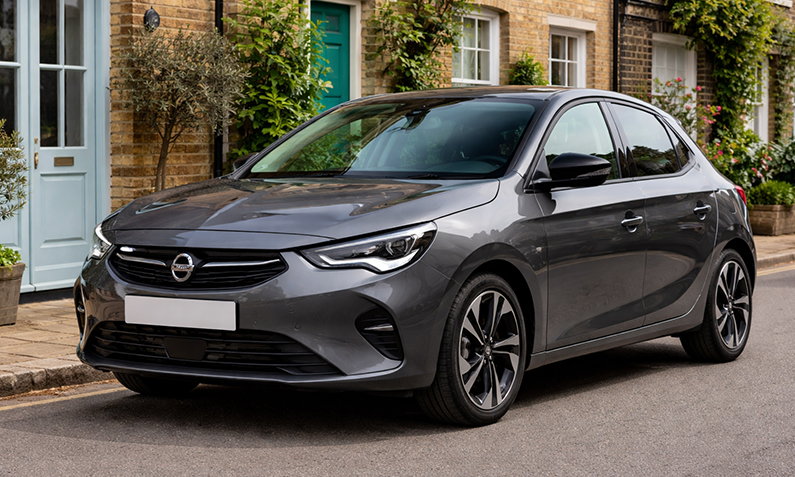
The Vauxhall Corsa continues to perform strongly, showing that small car demand remains high, especially among first time buyers and drivers focused on lower ownership and insurance costs.

Body type: Hatchback
Fuel types: Petrol, electric
Typical fuel economy / range:

  • Petrol: around 50–55 mpg
  • Electric: up to around 220 miles (WLTP)

Trim options: Entry-level to higher-spec trims with added technology

New price: from around £19,000
Why it sells: low entry price, electric option available, easy to run
Insurance group: usually 5–20

Vauxhall Corsa – small car consistency

Compare Vauxhall Corsa car insurance

6. BYD Seal U – electric vehicles gaining ground

The BYD Seal U reflects growing interest in electric vehicles across the uk’s new car market, particularly among company-car drivers.

Body type: SUV
Fuel types: Electric only
Battery range: typically around 260–310 miles (WLTP)
Trim options:

  • Boost
  • Comfort
  • Design

New price: from around £43,000
Why it sells: long electric range, high equipment levels
Insurance group: typically 30–40

There is currently no electric car grant for private buyers, but company-car tax benefits remain a key driver.

BYD Seal U – electric vehicles gaining ground

Compare BYD Seal U car insurance

7. Nissan Juke – compact SUV appeal

The Nissan Juke remains popular with drivers who want a distinctive small SUV that works well for urban driving.

Body type: Small SUV
Fuel types: Petrol, hybrid
Typical fuel economy:

  • Petrol: around 45–50 mpg
  • Hybrid: around 55–58 mpg

Trim options: Entry to sport-styled trims

New price: from around £25,000
Why it sells: distinctive styling, easy to park, efficient engines
Insurance group: around 10–25

Nissan Juke – compact SUV appeal

Compare Nissan Juke car insurance

8. Volkswagen Tiguan – practical larger SUV

The Volkswagen Tiguan appeals to buyers who want more space without moving into full-size SUVs.

Body type: Compact SUV
Fuel types: Petrol, diesel, hybrid
Typical fuel economy:

  • Petrol / diesel: around 40–50 mpg
  • Plug-in hybrid: up to around 30–40 miles electric-only

Trim options: Life, Elegance, R-Line (varies by engine)

New price: from around £34,000
Why it sells: build quality, practical interior, efficient engine choices
Insurance group: typically 15–35

Volkswagen Tiguan – practical larger SUV

Compare Volkswagen Tiguan car insurance

9. Volkswagen Golf – hatchback benchmark

The Volkswagen Golf remains one of the most established hatchbacks in the uk market, appealing to drivers wanting balance rather than SUV size.

Body type: Hatchback
Fuel types: Petrol, mild hybrid
Typical fuel economy: around 50–55 mpg

Trim options: Entry-level to higher-spec trims

New price: from around £28,000
Why it sells: strong build quality, balanced performance, refined interior
Insurance group: around 10–25

Volkswagen Golf – hatchback benchmark

Compare Volkswagen Golf car insurance

10. MG HS – value-driven compact SUV

Rounding out the list, the MG HS continues to attract buyers focused on value and long warranty coverage.

Body type: Compact SUV
Fuel types: Petrol, plug-in hybrid
Typical fuel economy / range:

  • Petrol: around 35–40 mpg
  • Plug-in hybrid: up to around 30 miles electric-only

Trim options: Standard and higher-spec trims

New price: from around £27,000
Why it sells: competitive pricing, long warranty, strong value proposition
Insurance group: around 20–30

MG HS – value-driven compact SUV

Compare MG HS car insurance

How car insurance and insurance group affect real-world costs

Insurance costs depend on the insurance group, repair complexity, theft risk, and safety systems.

Vehicle type Typical insurance impact
Small car (e.g. Corsa) Lower premiums
Small SUV (Puma, Juke) Low to mid
Compact SUV (Qashqai, Sportage) Mid
Electric vehicles (Seal U, Model Y) Mid to high

Industry context: Insurers price risk using repair data and claims severity, informed by bodies like the Association of British Insurers.

Electric cars, hybrid cars, and diesel cars – what’s changing

  • Electric vehicles: rising share; higher repair costs can raise premiums.
  • Hybrid cars: often a balanced top choice for fuel savings without range anxiety.
  • Diesel cars: shrinking share but still relevant for high-mileage drivers.

Tesla Model Y: a top choice among electric cars in recent periods (last year and last month trends), popular as a company car; insurance can be higher than petrol equivalents due to repair costs.

Compare Car Insurance

Save up to £523* on your car insurance

Models outside the January top ten – market context

These remain relevant in the uk market despite not making the January list:

  • Volkswagen Polo, SEAT Ibiza, Skoda Fabia – efficient small car options with generally lower insurance groups.
  • Toyota Aygo X (Aygo X) – city-focused small feat crossover; cheapest new cars bracket for many buyers.
  • Kia Picanto – value city car with a manual gearbox standard on entry trims.
  • Ford Fiesta – production ended earlier; still common on roads but not in new car registrations.

What were the top ten new car sales in January 2026?

The top ten new car sales in January 2026 were led by the Kia Sportage, followed by the Jaecoo 7, Ford Puma, Nissan Qashqai and Vauxhall Corsa, based on UK new car registration data.

FAQs: New Car Sales and Car Insurance

How do new car sales affect car insurance costs?

High new car sales can lead to more predictable repair costs and better availability of parts. Insurers use this data when pricing cover, which can help stabilise car insurance costs for popular models.

Are new cars more expensive to insure than used cars?

New cars are often more expensive to insure because they have higher replacement values and advanced technology that costs more to repair. Insurance group and safety features can help reduce this difference.

Most popular new cars fall between insurance groups 10 and 30. The exact group depends on engine size, trim level, safety features and overall vehicle value.

Are SUVs more expensive to insure than small cars?

SUVs are usually more expensive to insure than small cars because repairs tend to cost more and the vehicles are worth more. Small hatchbacks often sit in lower insurance groups.

Do hybrid and electric cars cost more to insure?

Hybrid and electric cars can cost more to insure due to battery costs and the need for specialist repairs. Insurance prices vary depending on the model and insurer.

Which new cars are cheapest to insure?

Small cars and lower-powered hatchbacks are usually cheaper to insure than larger SUVs and electric vehicles. Models such as the Vauxhall Corsa often sit in lower insurance groups.

Does trim level affect car insurance?

Trim level can affect car insurance costs. Higher trims often include larger engines, more expensive parts and additional technology, which can increase repair costs and insurance premiums.

Should I compare insurance before buying a new car?

Comparing car insurance before buying helps you understand the true cost of ownership and avoid choosing a car that is cheap to buy but expensive to insure.

Where does UK new car sales data come from?

UK new car sales data comes from new car registrations published monthly by the Society of Motor Manufacturers and Traders (SMMT).

Can you show me pictures of the best-selling cars of 2026?

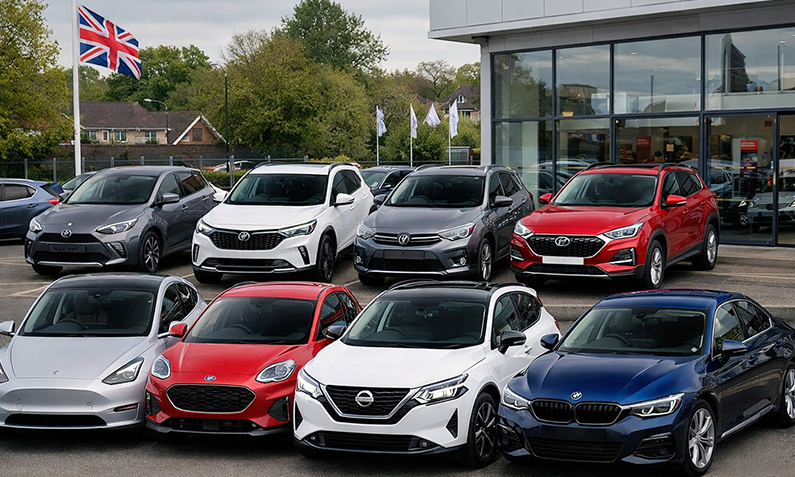
Images of the best-selling cars of 2026 help you easily recognise models such as the Kia Sportage, Jaecoo 7, Ford Puma and Nissan Qashqai. Images are shown above for each car, from the top-selling model through to number ten, making it easier to compare features, trims and potential car insurance costs.

What are the cheapest top selling cars to insure for 2026?

The cheapest top selling cars to insure in 2026 are typically smaller cars and lower-powered versions of popular models. Vehicles such as the Vauxhall Corsa and entry-level Ford Puma and Nissan Juke models often sit in lower insurance groups, which can help keep premiums down.

Why are new car sales increasing in 2026?

New car sales increased in 2026 due to improved vehicle supply, growing demand for hybrid and electric cars, and increased confidence among buyers. Lower waiting times compared with previous years also helped boost registrations.

Which type of cars sell the most in the UK?

Compact SUVs and small SUVs consistently sell the most in the UK. Models like the Kia Sportage, Nissan Qashqai and Ford Puma combine practicality, efficiency and family-friendly features, making them popular choices.

Do strong new car sales mean better resale values?

Strong new car sales can support resale values, especially for popular models with high demand. However, resale value also depends on mileage, condition, fuel type and overall market conditions.

How often are new car sales figures updated?

New car sales figures are updated monthly and are based on new car registrations. In the UK, this data is published by the Society of Motor Manufacturers and Traders (SMMT).

Is it better to buy a new car at the start or end of the year?

Buying a new car at the end of the year can sometimes offer better deals due to registration targets and stock clearance. However, buying earlier in the year may provide more choice and shorter delivery times.

The Importance of Comparison Sites

Get Cheaper Car Insurance – Even with Points or Claims

We help you find policies that suit your situation and budget.

4000+ reviews