




How the Car Insurance Database (MID) Works

Written by Shay Ramani
Reviewed by Prajesh Manvar
5 min read
Updated: 6 Nov 2026
How the Car Insurance Database (MID) Works

The car insurance database is the UK’s central record of every insured vehicle, officially called the Motor Insurance Database (MID) and run by the Motor Insurers’ Bureau (MIB). It stores each vehicle’s number plate, insurer, policy dates and named-driver details, and it is the record the police and the DVLA use to check whether a car is legally insured.

If you have just taken out or renewed cover, your car should appear on the MID once your insurer uploads the policy, which can take anywhere from a day or two up to seven working days depending on the insurer. Until it shows, you are still insured from the start date on your certificate, so it is worth keeping proof to hand.

This explainer covers what the database holds, how to check your own car for free, why a newly insured vehicle sometimes shows as uninsured, and how enforcement works through Continuous Insurance Enforcement and roadside ANPR cameras.

Quick Answer: How the Car Insurance Database (MID) Works

  • The MID is run by the Motor Insurers’ Bureau, not the DVLA or police.
  • Check your own car free in under a minute at navigate.mib.org.uk (formerly askMID).
  • Being on the MID proves a policy exists, not that your specific driving is covered.
  • New policies can take up to 7 working days to appear on the database.
  • Driving uninsured carries a £300 fine, 6 points and possible vehicle seizure.

Last updated: October 2026

Written by the Free Price Compare editorial team | Reviewed October 2026

What the Motor Insurance Database actually holds

The Motor Insurance Database (MID) is the central record that holds the registration number, the insurer, the policy start and end dates, and the cover arrangements for every insured vehicle on UK roads. The Motor Insurers’ Bureau (MIB) manages it, and insurers feed data into it whenever a policy is taken out, renewed, amended or cancelled.

The database is a legal register, not a consumer product. Its purpose is to let the police enforce insurance law, help the DVLA run keeper checks, and allow accident victims to trace the insurer behind another vehicle. It does not hold your full policy wording, your premium, or a line-by-line account of what you are and are not covered to do.

Data reaches the MID through insurers, who are required to upload policy details promptly. Industry practice is to submit data to the MID seven days a week, and insurers face sanctions from the MIB if they persistently miss the upload service level. That matters because the record you see online is only as current as your insurer’s last update.

Who runs it and who can see it

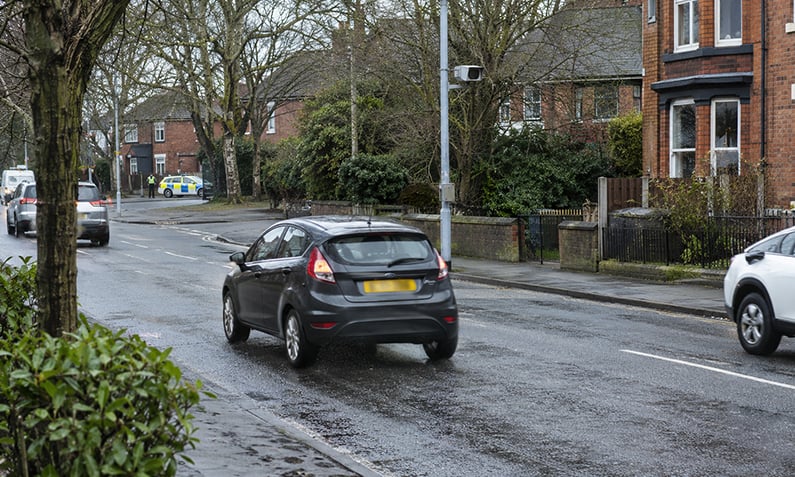
The MIB operates the MID, while the police and the DVLA are its main users. Police forces cross-check the database using Automatic Number Plate Recognition (ANPR) cameras, which read number plates and flag vehicles that appear to have no cover. The DVLA uses it to compare insurance records against its own list of registered keepers.

For members of the public, access is limited. You can check your own vehicle for free, and you can run a paid lookup on another vehicle only in specific circumstances, such as after a collision where you need to trace the other party’s insurer.

How to check if a car is insured on the database

You can check whether a car is insured for free through Navigate, the MIB’s official lookup tool at navigate.mib.org.uk, which replaced the old askMID service. Enter the registration number, accept the terms, and the tool confirms within seconds whether a valid policy is recorded. There is no charge for checking your own vehicle.

The free check is deliberately simple. For your own car it returns the make, model and whether cover is in place. It does not show the insurer’s name, the policy number or the named drivers, because that information is protected. If you want a fuller history of your vehicle on the database, you can submit a Data Subject Access Request to the MIB.

For a quick walkthrough aimed at drivers, our guide on how to check if a car is insured sets out the steps and what each result means.

Compare car insurance quotes in minutes

Can I check someone else’s car on askMID?

You can check another vehicle only in limited situations, and usually for a fee. The free personal check is reserved for your own car. If you have been in a collision and need to identify the other driver’s insurer, you can run a paid “other vehicle” lookup, which costs around £10. This is intended for genuine claims purposes, not for general curiosity about a neighbour’s car.

You cannot see who insures another vehicle or who the named drivers are. The database is built to protect personal data, so a paid lookup confirms that a policy exists and provides the insurer’s details for claims, nothing more.

Can I check MOT or tax on the database, and is the check free?

The MID does not show MOT or vehicle tax status, and the check on it is free for your own car. The database only covers insurance. To see MOT history or whether a car is taxed, you use the separate gov.uk vehicle-check services, which pull from DVLA and DVSA records rather than the insurance database.

So three different registers answer three different questions: the MID for insurance, the DVLA for tax, and the MOT service for roadworthiness. A car can be insured but untaxed, or taxed but without a valid MOT, and no single lookup covers all three.

How to check if a car is insured on the database

Why is my car not showing on the database?

A newly insured car often does not show on the MID straight away because insurers upload policy data in batches rather than instantly. The gap between your cover starting and the record updating can range from a day or two up to seven working days, depending on how often your insurer submits to the database.

You are insured from the start date and time on your certificate, not from the moment the MID updates. If your documents confirm cover from a given date and you are meeting the policy terms, you are legally insured even while the online record still shows nothing. The police database is a regularly refreshed copy of the MID, so a short upload delay rarely causes a problem at the roadside, but carrying your certificate is sensible.

Common reasons a car does not appear include: the policy start date being in the future, the insurer not yet running its upload, a typo in the registration on your policy, or a recently cancelled and replaced policy still working through the system. If several working days pass and nothing shows, contact your insurer and ask them to confirm the upload.

  • Check the start date on your certificate matches today or earlier.
  • Confirm the registration on your policy has no errors.
  • Allow up to seven working days before worrying.
  • Keep proof of cover to show if stopped.
  • If a letter arrives saying the car is not insured, call your insurer the same day.

Renewing or switching insurer?

Compare cover from 130+ insurers and make sure your policy details are correct before it uploads.

What if I get a letter saying my car is not insured?

An Insurance Advisory Letter from the MIB means the database shows no cover for a vehicle that is not declared off the road, and it is a warning, not an automatic fine. It gives the registered keeper a chance to put things right before any penalty is issued. If you know your car is insured, the letter is usually caused by an upload delay or a data mismatch.

If you receive one and you do hold valid cover, call your insurer, confirm the policy is active and ask them to verify the upload to the MID. Keep a note of the date and who you spoke to. If the car has no cover and is not declared off the road, arrange insurance or declare a Statutory Off Road Notification (SORN) to the DVLA before the warning period ends.

Does being on the database prove I’m insured?

Being listed on the MID proves a policy exists for your vehicle, but it does not prove that a particular journey or driver is covered. The database is designed to identify the insurer of a vehicle at any point in time, which is what the police and accident claims need. It is not a check on whether your specific use, mileage or named-driver arrangement is valid.

Your actual cover is governed by your policy documents and the information you gave when you bought it. If you drive outside your permitted use, such as for business when you only hold social cover, you could still be uninsured for that journey even though the car appears on the MID. This is why the certificate and policy schedule, not the database, are the real proof of what you are covered to do.

Giving accurate details when you buy matters for the same reason. Underwriters validate claims against the information you provided, and an inconsistency can lead to a claim being reduced or a policy being voided. Comparing honestly across a panel of 130+ insurers, as we do at Free Price Compare, helps you find suitable cover without cutting corners on the detail.

See how much comprehensive cover could cost

How Continuous Insurance Enforcement uses the database

Continuous Insurance Enforcement (CIE) is the DVLA-led system that compares the MID against keeper records to catch vehicles kept without insurance. Introduced in June 2011 by the Department for Transport, it makes it an offence to keep a vehicle without cover unless you have declared a Statutory Off Road Notification (SORN) to the DVLA.

The process is automated. When the database shows a vehicle with no insurance and no SORN, the MIB first issues an Insurance Advisory Letter to the registered keeper. If no action follows, the DVLA issues a fixed penalty notice of £100, which is reduced to £50 if paid within 21 days under DVLA enforcement policy. Continued inaction can lead to the vehicle being clamped or impounded and, ultimately, court action, where the maximum fine for the keeper offence is £1,000.

CIE is about keeping a vehicle, not driving it. A car parked on a private driveway and never driven still needs insurance unless it is declared SORN. If you are taking a car off the road, declare SORN through the DVLA to be exempt from the keeper requirement.

SORN and short gaps in cover

A SORN declaration to the DVLA exempts a vehicle from Continuous Insurance Enforcement, but even a one-day gap between policies can trigger an automatic penalty if the car is not SORN’d. The database does not know your intentions, only what is recorded, so a lapse between renewals can be flagged.

If you let cover lapse deliberately because the car is off the road, declare SORN on the same day. If you are switching insurers, make sure the new policy starts the moment the old one ends so there is no uninsured day on the record. For cars used only occasionally, it is worth comparing flexible options such as pay-per-mile car insurance rather than risking a gap.

Driving without insurance: the penalties behind the database

Driving without insurance is an offence under section 143 of the Road Traffic Act 1988, and the police can issue a fixed penalty of £300 plus six penalty points. If the case goes to court, the fine can be far higher, with six to eight points or a discretionary disqualification, and the conviction is recorded as an IN10 endorsement that stays on your record for four years.

The police can also seize the vehicle on the spot. Police forces seize uninsured vehicles using ANPR cameras that check number plates against the MID and flag vehicles without recorded cover. The MIB says there are 335,000 uninsured vehicles on UK roads on any given day.

Uninsured driving also pushes up prices for everyone, because the MIB compensates victims of uninsured and untraced drivers and recovers the cost through a levy on insurers, which feeds into premiums. That is one reason the average paid comprehensive premium stood at £566 in the latest reading, according to the ABI Motor Insurance Premium Tracker (Q2 2026), up slightly on the previous quarter’s £560.

Compare comprehensive cover from 130+ insurers

How this fits with your no-claims record and premium

Your position on the database is separate from your no-claims record, which is held by insurers rather than on the MID. The MID confirms a policy exists; your no-claims bonus and claims history determine what you pay. A gap in cover will not directly wipe your no-claims bonus, but a lapse of more than two years usually means you lose it, which can raise your next premium.

Around nine in ten quotes through Free Price Compare are for comprehensive cover, and keeping a continuous record of insured years helps protect the discount you have built up. If you are unsure how much your no-claims years are worth, our no-claims bonus guide explains the typical savings, and the car insurance excess guide covers how your excess choice affects the price.

For more background on how insurers set prices and why cover sometimes costs more, browse our car insurance guides.

Driving without insurance: the penalties behind the database

FAQs about car insurance database

How long does it take for a new policy to show on the MID?

A new policy usually appears on the Motor Insurance Database within a day or two, but it can take up to seven working days depending on how often your insurer uploads data. You are insured from the start date on your certificate, not from when the record updates. If more than a week passes and the car still shows as uninsured, contact your insurer to confirm the upload.

Can car insurance increase mid-policy and affect my MID record?

An insurer can change your premium mid-policy only if your circumstances change, for example if you add a driver, change your car or move house. These amendments are uploaded to the MID so the database stays accurate. A routine mid-term adjustment does not create a gap in cover, but always check your new documents and confirm the car still shows as insured afterwards.

Is the car insurance database check free?

Checking your own vehicle on the Motor Insurance Database is free through Navigate at navigate.mib.org.uk. You enter the registration and get a result in seconds confirming whether valid cover is recorded. Checking another vehicle is only allowed in limited situations, such as after an accident, and usually carries a fee of around £10.

Can I check MOT or tax status on askMID?

No, the Motor Insurance Database only shows insurance status, not MOT or tax. To check whether a car is taxed or has a valid MOT, use the separate vehicle services on gov.uk, which draw from DVLA and DVSA records. A car can be insured on the MID yet still be untaxed or without a current MOT.

Does being on the MID mean I am definitely covered to drive?

Being on the Motor Insurance Database proves a policy exists for the vehicle, but not that a specific journey or driver is covered. Your actual cover depends on your policy terms, such as your permitted use and named drivers. If you drive outside those terms, you could be uninsured for that trip even though the car appears on the database.

Why is my insured car showing as not insured on the database?

The most common reason is an upload delay, as insurers submit policy data in batches rather than instantly. Other causes include a future start date on your policy, a typo in the registration, or a recently cancelled and replaced policy. If the car still shows as uninsured after seven working days, ask your insurer to confirm the data has been sent to the MID.

Can I drive if my car is not yet showing on the database?

Yes, you can drive if your certificate confirms cover is active from the current date and you are meeting the policy terms, even if the online record has not updated. The police use a frequently refreshed copy of the MID, so short upload delays rarely cause issues. Keep proof of insurance with you in case you are stopped.

What is Continuous Insurance Enforcement?

Continuous Insurance Enforcement is a DVLA system that cross-checks the Motor Insurance Database against keeper records to find vehicles kept without insurance. If a car has no cover and no SORN, the keeper receives a warning letter, then a £100 fixed penalty (reduced to £50 if paid within 21 days). It applies even to cars parked off-road that are not declared SORN.

Do I need insurance if my car is parked and never driven?

Yes, unless you declare a Statutory Off Road Notification (SORN) to the DVLA. Under Continuous Insurance Enforcement, a vehicle kept without insurance and without a SORN is an offence, even on a private driveway. If the car is off the road, declaring SORN exempts it from the insurance requirement until you tax and insure it again.

How do I correct a mistake on my MID record?

Contact your insurer first, as they are responsible for uploading and amending your details on the Motor Insurance Database. Ask them to correct errors such as a wrong registration or incorrect policy dates. If you need a full history of your vehicle's entries, you can submit a Data Subject Access Request to the Motor Insurers' Bureau to see and query what is held.

What is the penalty for driving without insurance in the UK?

The police can issue a £300 fixed penalty and six penalty points for driving without insurance under the Road Traffic Act 1988. If the case goes to court, the fine can be much higher, with six to eight points or a disqualification, and an IN10 endorsement that stays on your record for four years. The vehicle can also be seized at the roadside.

Does a gap in cover affect my no-claims bonus?

A short gap does not immediately wipe your no-claims bonus, but if you go more than two years without a live policy you usually lose it entirely. Your no-claims record is held by insurers, not on the MID, so keeping cover continuous protects the discount you have built. When switching insurers, make sure the new policy starts the moment the old one ends.

Also Read Related Articles


Information correct as of 30 October 2026. Prices, tariffs, policy details and providers change frequently, so please check the latest details before making a decision. This article is for general information only and does not constitute financial advice. Free Price Compare is authorised and regulated by the Financial Conduct Authority (FCA).

4000+ reviews