





What Is a Car Insurance Excess and How Does It Work?

Written by Andrea Troy
Reviewed by Prajesh Manvar
6 min read
Updated: 5 Oct 2026
What Is a Car Insurance Excess and How Does It Work?

A car insurance excess is the amount you agree to pay towards a claim before your insurer covers the rest. If your excess is £300 and a repair costs £1,200, you pay the first £300 and the insurer pays the remaining £900. It applies each time you claim on your own policy for damage, theft or loss.

Most UK comprehensive policies split the excess into two parts: a compulsory excess set by the insurer and a voluntary excess you choose when you buy. We compare cover from a panel of 130+ insurers, and the excess is one of the numbers that quietly shapes both your price and what you would pay out of pocket, so it pays to understand it before you commit.

Quick Answer: What Is a Car Insurance Excess and How Does It Work?

  • Total excess = compulsory excess (set by insurer) + voluntary excess (chosen by you).
  • You usually only pay the excess when you claim for damage to your own car.
  • A higher voluntary excess can lower your premium but raises your out-of-pocket cost.
  • The ABI put the average UK motor premium at £560 in Q1 2026.
  • If a claim is settled as not your fault, your excess is normally refunded.

Last updated: September 2026

Written by the Free Price Compare editorial team | Reviewed September 2026

The two types of excess on a UK policy

UK car insurance excess comes in two parts: a compulsory excess fixed by your insurer and a voluntary excess you set yourself. Added together, they form your total excess, which is the full amount you pay towards a claim before the insurer contributes. AXA’s own guidance gives a clear example: a £200 compulsory excess plus a £500 voluntary excess means you pay £700 on a claim.

What is a compulsory excess?

A compulsory excess is the fixed amount your insurer requires you to pay on any claim, and you cannot remove it. Insurers set it based on how they price your risk, so factors like your age, car and claims history can push it up. Newer or less experienced drivers, or those driving higher-value cars, often see a larger compulsory excess.

What is a voluntary excess?

A voluntary excess is an extra amount you choose to add on top of the compulsory excess when you take out the policy. Choosing a higher voluntary excess signals you will absorb more of any claim yourself, which usually reduces your premium. You set the figure at purchase, and it stays fixed for the policy term.

Around 88-89% of car insurance quotes through Free Price Compare are for comprehensive cover (Free Price Compare data, Jan-Jun 2026), and it is on these policies that the compulsory-plus-voluntary split matters most. If you are weighing up how far to push the voluntary figure, our dedicated guide on whether increasing your excess really saves money works through the trade-off in detail.

Compare comprehensive cover from 130+ insurers

How does car insurance excess work when you claim?

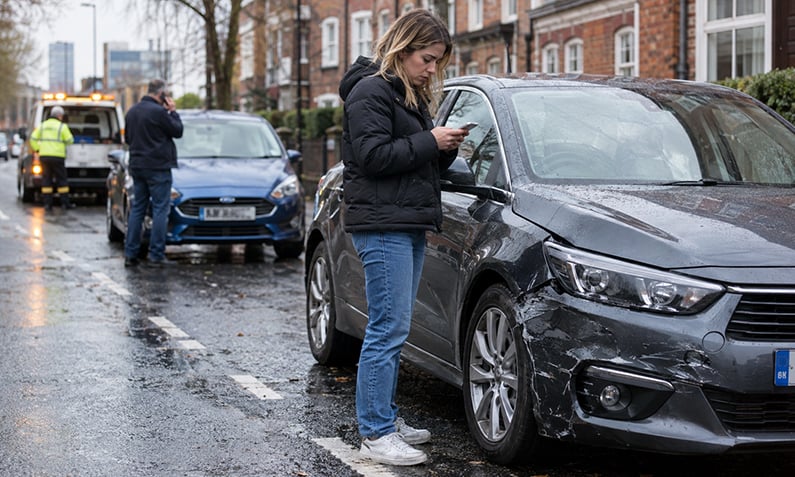
When you claim on your own policy for damage, theft or loss, you pay your total excess and the insurer pays the rest of the approved repair or settlement. If the garage bills £1,500 and your total excess is £400, you cover £400 and the insurer covers £1,100. On most policies the excess is deducted from the payout or paid to the repairer, so you rarely hand over cash separately.

According to Citizens Advice, the excess is the fixed part of any claim you must pay yourself, using the example of the first £50 of a claim. The ABI reported that the average motor insurance premium was £560 in Q1 2026, giving a sense of the wider costs the excess sits alongside. The key point is that it applies per claim, not once a year, so two separate claims mean paying the excess twice.

Do I always have to pay my excess?

You normally only pay your excess when you claim for damage to your own vehicle. Some claims do not trigger an excess at all, and windscreen repairs often carry a lower separate glass excess than the main policy excess. Third-party-only claims, where someone else’s car is damaged and you are not repairing yours, may not involve your excess.

What happens if the accident was not my fault?

If a claim is settled as not your fault, your insurer usually recovers its costs from the other driver’s insurer and refunds your excess automatically. You pay the excess up front so repairs can start, then it is returned once liability is agreed. You do not have to chase the other driver yourself; your insurer handles the recovery, though it can take weeks or months to complete.

How does car insurance excess work when you claim

Not sure your excess is set at the right level?

Compare quotes and adjust your voluntary excess to see how the price changes.

How much voluntary excess should I pay?

The right voluntary excess is the highest amount you could comfortably pay in one go if you had to claim tomorrow. A higher voluntary excess usually lowers your premium, but it raises your out-of-pocket cost, so it only makes sense if you keep enough set aside to cover the full total excess. Setting it beyond what you could afford defeats the purpose, because you might be unable to claim.

There is no single correct figure, and the saving from a higher excess varies by insurer and by driver. Run the same quote twice with different voluntary excess levels and compare the premium difference against the extra risk you take on. If a £250 rise in voluntary excess only shaves a little off the premium, it may not be worth it; if it cuts the price meaningfully, it can pay off, provided you never claim for small amounts.

Older, more established drivers tend to shop this way effectively. The average buyer through Free Price Compare is aged around 47-50 and has held a licence for roughly 21-27 years (Free Price Compare data, Jan-Jun 2026), so many are confident absorbing a larger excess. If you want more practical levers beyond the excess, our tips on saving money on car insurance and our cheap car insurance tips cover the rest.

See how a higher excess changes your quote

Does a higher voluntary excess make insurance cheaper?

A higher voluntary excess usually reduces your premium, because you are agreeing to shoulder more of any future claim. There is no fixed rate for this discount, so the same increase can save a lot with one insurer and little with another. That is exactly why comparing quotes at different excess levels matters more than assuming a rule of thumb.

The saving has to be weighed against the cost if you do claim. If raising your voluntary excess by £300 saves £40 a year, you would need to go seven or more years without a claim to break even, and a single claim would wipe out the saving. Balance the annual premium cut against how likely you are to claim and how much you could afford at once.

Why is car insurance excess so high?

Excess levels have risen partly because repair costs have climbed sharply, and insurers use the excess to keep premiums manageable while sharing risk with drivers. The ABI reported in April 2026 that motor premiums were stable, with the average premium at £560 in Q1 2026, but flagged that the cost of repairs remained high. Modern cars with sensors, cameras and complex electronics cost more to fix, which feeds through into both premiums and excesses.

Your compulsory excess also reflects how the insurer scores your specific risk. Higher-value cars, younger drivers and recent claims all tend to attract a larger compulsory excess. Around a third of quotes through Free Price Compare come from drivers with no no-claims bonus (Free Price Compare data, Jan-Jun 2026), and this group often sees higher excesses because insurers price them as higher risk.

Compare car insurance and check your excess

Excess after a write-off or total loss

If your car is declared a write-off or total loss, your insurer still deducts your total excess from the settlement figure. A write-off means the cost to repair the car exceeds a set proportion of its market value, so the insurer pays out its assessed value rather than repairing it. If your car is valued at £4,000 and your excess is £350, you receive £3,650.

When a total loss is settled as not your fault, your insurer normally recovers the excess from the at-fault party’s insurer and refunds it to you. Around 43-48% of quotes through Free Price Compare are for cars valued between £1,000 and £5,000 (Free Price Compare data, Jan-Jun 2026), so for many drivers the excess is a meaningful slice of any write-off payout, which is another reason not to set it higher than you can afford.

How your no-claims bonus and excess interact

A no-claims bonus is a discount insurers give for each consecutive year you do not make a fault claim, and it is separate from your excess. Claiming means you pay your excess and, unless your bonus is protected, you may lose some or all of your no-claims discount at renewal. The two costs stack up, which is why many drivers avoid claiming for small amounts.

Before you claim on a minor prang, weigh the excess plus a lost no-claims bonus against the repair cost. If a repair costs only a little more than your total excess, and claiming would push your premium up for years, paying for the repair yourself can work out cheaper. Our questions to ask when comparing quotes and our wider UK money-saving tips both cover how bonus protection and excess choices affect the total cost.

How your no-claims bonus and excess interact

FAQs about car insurance excess

What does excess mean in car insurance?

Excess in car insurance is the fixed amount you agree to pay towards a claim before your insurer pays the rest. It is agreed when you take out the policy and normally applies each time you claim for damage to your own car. Most UK policies combine a compulsory excess set by the insurer and a voluntary excess you choose.

How much excess is normal for car insurance?

There is no fixed national figure for a normal car insurance excess, because insurers set the compulsory part based on your risk and you choose the voluntary part yourself. Your total excess is the sum of both. The best approach is to check the compulsory excess quoted and set a voluntary excess you could comfortably pay in one go if you claimed.

Can I change or reduce my excess?

You can reduce your voluntary excess when you renew or buy a new policy, but doing so usually increases your premium. You cannot lower the compulsory excess, as the insurer fixes it. Mid-policy changes to the voluntary excess are sometimes possible but depend on the insurer, so it is easier to set it correctly at the start.

Do I have to pay my excess if the accident was not my fault?

You usually pay your excess up front even when the accident was not your fault, so repairs can begin. Once your insurer recovers its costs from the at-fault driver's insurer, it refunds your excess automatically. You do not need to chase the other driver yourself, though the refund can take weeks or months to arrive.

How many claims are allowed on car insurance in a year?

There is no fixed legal limit on the number of car insurance claims you can make in a year, but each claim usually means paying your excess again and can affect your no-claims bonus. Making several claims in a short period can also lead insurers to raise your premium or decline renewal. There is no annual claim allowance; each claim is assessed on its own.

Do I pay excess for a windscreen repair?

Windscreen and glass claims often carry a separate glass excess that is lower than your main policy excess, and some repairs (rather than full replacements) may have no excess at all. The exact rules depend on your policy wording. Check the glass cover section of your documents to see the specific excess before booking a repair.

What happens to my excess if my car is written off?

If your car is written off, your insurer deducts your total excess from the market-value settlement it pays you. So if the car is valued at £4,000 and your excess is £350, you receive £3,650. If the write-off was not your fault, your insurer usually recovers and refunds the excess once liability is agreed with the other party.

Is excess the same as a deductible?

Excess is the UK term for what some other countries call a deductible: the amount you pay towards a claim before the insurer contributes. They mean the same thing. On UK policies the excess is typically split into a compulsory part set by the insurer and a voluntary part you choose.

Can I claim back my excess after an accident?

Yes, if another driver was at fault, your insurer normally recovers your excess from their insurer and refunds it to you automatically. You should not need to pursue the other driver directly. If liability is disputed or the other driver is uninsured, recovering your excess can take longer or may not be possible, so keep evidence and details from the scene.

Should I claim if the repair is close to my excess?

If a repair costs only a little more than your total excess, paying for it yourself is often cheaper overall. Claiming means paying the excess and possibly losing part of your no-claims bonus, which can raise your premium for several years. Compare the repair cost against the excess plus the likely premium increase before deciding.

Also Read Related Articles


Information correct as of 28 September 2026. Prices, tariffs, policy details and providers change frequently, so please check the latest details before making a decision. This article is for general information only and does not constitute financial advice. Free Price Compare is authorised and regulated by the Financial Conduct Authority (FCA).

4000+ reviews