





Admiral Campervan Insurance Explained for UK Owners

Written by Brijesh Patel
Reviewed by Tim Bailey
5 min read
Updated: 1 Oct 2026
Admiral Campervan Insurance Explained for UK Owners

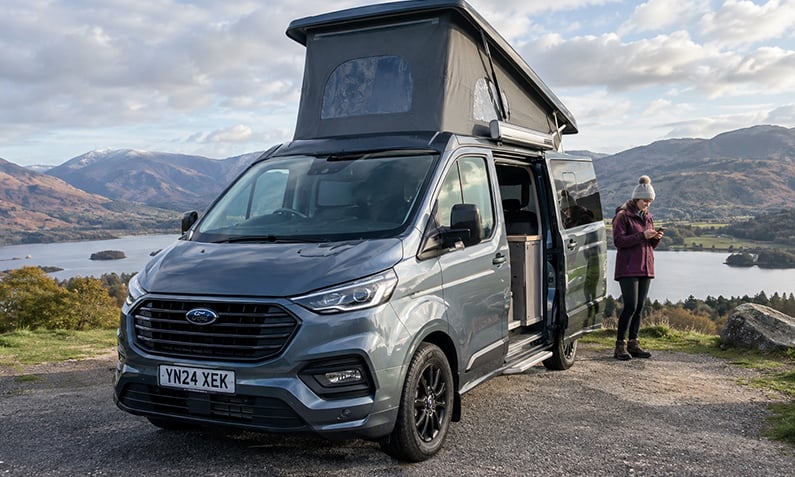
Admiral campervan insurance is not sold as a single named product. How Admiral covers your vehicle depends on what you drive: factory-built campervans (such as a VW California or Ford Nugget) are classed as cars by Thatcham Research and quoted under Admiral’s car product, while a van you have converted yourself is covered under its van policy. Larger coachbuilt vehicles are handled through Admiral’s motorhome insurance instead.

That split matters because it decides which cover you get, what counts as a modification, and whether your camper conversion is protected in a claim. Getting the classification wrong is the most common way owners end up with a policy that does not do what they expected.

Free Price Compare compares van and campervan cover across a panel of 63 UK providers, and we source market context from the ABI, DVLA and SMMT. Below is a plain-English breakdown of where Admiral fits, what it covers, what it does not, and how to check you are on the right class of use.

Quick Answer: Admiral Campervan Insurance Explained for UK Owners

  • Factory campervans are quoted under Admiral’s car product, not a camper policy.
  • Self-converted vans are covered under Admiral van insurance, with modifications declared.
  • Personal belongings cover is £500 as standard on comprehensive camper cover.
  • UK campervan insurance typically ranges from around £375 to £1,200 a year.
  • Always declare a van-to-camper conversion or you risk invalidating cover.

Last updated: September 2026

Written by the Free Price Compare editorial team | Reviewed September 2026

Does Admiral do campervan insurance?

Admiral covers campervans, but not through a product called “campervan insurance”. Factory-built campervans are categorised by Thatcham Research as cars, so Admiral quotes them under its car insurance product. Vans that owners have converted into campers are covered under Admiral van insurance, and larger coachbuilt or A-class vehicles fall under Admiral motorhome insurance. Which route applies depends entirely on how your vehicle is built and registered.

Admiral itself confirms that vehicles “manufactured as campervans” such as the Mercedes Marco Polo, VW Ocean and Ford Custom Nugget are treated as cars, and that in a claim it covers all parts that came as standard plus £500 of personal belongings cover for comprehensive customers. For these, there is no need to record camper fixtures and fittings as modifications, because they are standard parts of the vehicle.

Admiral is FCA-regulated and one of the UK’s largest motor insurers, founded in Cardiff in 1993. That scale makes it a mainstream option, but a mainstream motor insurer treats a camper differently from a specialist, which is the key thing to weigh up.

Will Admiral cover a self-built or converted campervan?

Admiral will cover a self-built or converted campervan under its van policy, provided you declare the conversion and any modifications. Admiral states plainly that if you convert your van into a camper you must tell your insurer, because it can change the vehicle classification and the type of cover you need, and failing to do so could invalidate your insurance.

The important limitation to understand is how aftermarket conversion work is treated in a claim. On a standard van policy, an insurer covers the base vehicle. Bespoke interiors, fitted furniture, electrical systems, gas installations and similar additions are modifications, and whether their full replacement cost is paid out depends on how the policy is worded and how those items are valued. This is the single most common source of complaints about mainstream cover for conversions, so read the modification terms before you buy.

If you are mid-build, some owners insure the vehicle as a van and update the insurer as modifications are added. That can work, but it is worth confirming in writing what would be paid if the part-finished conversion were stolen or damaged. Our guide to modified van insurance explains how to declare changes so they are actually covered, and for smaller builds our micro camper van insurance page covers the specifics.

Compare campervan and conversion cover

Can I add my campervan to an Admiral car or MultiCar policy?

Yes, if your campervan is a factory-built model classed as a car, you can add it to an Admiral car policy or an Admiral MultiCar policy. Because Thatcham categorises vehicles like the VW California and Ford Nugget as cars, they sit alongside your other cars, and Admiral MultiCover can save up to 20% across the vehicles insured, with the discount growing as more are added.

A self-converted van does not go on a car MultiCar policy, because it is insured as a van. If your household runs both a car and a converted camper, you would typically hold separate policies rather than one combined car MultiCar arrangement. It is worth quoting both ways to see which is cheaper overall, since a standalone comparison sometimes beats a multi-vehicle discount.

On no-claims bonus, owners often ask whether a bonus earned on a car can be transferred to a camper. Insurers generally allow a no-claims discount to be applied to one vehicle at a time, so you usually cannot mirror the same years across two policies simultaneously. Check with the insurer how your no-claims bonus is treated before assuming it carries across.

Can I add my campervan to an Admiral car or MultiCar policy

What cover levels does Admiral offer for campers and motorhomes?

Admiral offers three broad cover levels: comprehensive, third-party fire and theft, and third-party only. Comprehensive is the highest level and covers damage to your vehicle in an accident, fire, theft, malicious damage and damage you cause to others. For motorhomes specifically, Admiral runs graded comprehensive tiers, with Gold and Platinum policies including additional features as standard.

Comprehensive campervan cover from Admiral includes up to £500 of personal belongings cover for campervans. Van policies also come with windscreen repair, a courtesy van and European cover as standard, which matters if you travel abroad. The cover level you choose changes the price and what you are protected for, so match it to how you use the vehicle rather than defaulting to the cheapest tier.

Cover level What it protects Typical camper use
Third-party only Damage to other people and their property Rarely enough for a valuable camper
Third-party, fire & theft Above, plus fire and theft of your vehicle Older, lower-value conversions
Comprehensive Above, plus accidental and malicious damage to your camper Most owners; includes £500 belongings cover

Figures are indicative and may change.

If your vehicle is a coachbuilt or A-class motorhome rather than a van-based camper, compare dedicated motorhome insurance quotes as well, since the cover features and valuation basis differ from a standard van policy.

Not sure which class of use you need?

Compare campervan, van and motorhome cover side by side in one search.

How much does campervan insurance cost in the UK?

Campervan insurance in the UK typically ranges from around £375 to £1,200 a year, with price driven by the vehicle’s value, your usage and where it is kept. Basic lower-value campervans tend to sit at the cheaper end, while high-value coachbuilt vehicles cost more to insure. These are market ranges rather than Admiral-specific quotes, so treat them as a benchmark.

For wider context, according to the ABI Motor Insurance Premium Tracker, the average motor premium held steady at £560 in Q1 2026, a £1 (0.2%) rise on Q4 2025 and £20 lower than a year earlier. That figure covers all motor policies rather than campers specifically, but it shows the direction of the motor market. Insurance Premium Tax adds 12% to most motor policies, which is already built into the price you are quoted.

Costs for campers are shaped by agreed value, mileage, security devices and whether the vehicle is stored on a driveway or the street. Admiral prices some factory campers through its car product, which can produce competitive quotes for models it treats as cars. For a fuller breakdown of what moves the price, see our guide to campervan insurance costs and cover.

The most reliable way to find your own price is to compare, because the same vehicle can attract very different quotes depending on how each insurer classifies and rates it.

See campervan insurance quotes

Do you need to reclassify a campervan with the DVLA?

You do not always need to reclassify a campervan with the DVLA. The DVLA groups motorhomes, campervans and day vans under the single classification of “motor caravan”, and reclassification is only needed if your vehicle’s body type is now different from what is listed on your V5C log book. Stricter reclassification guidance introduced around 2019 to 2020 means many self-build conversions were never re-registered as motor caravans, and they remain registered as vans.

This affects insurance because your insurer needs to know exactly what the vehicle is and how it is registered. Whether your V5C shows “van” or “motor caravan”, you must describe the conversion accurately when you buy cover. A mismatch between how the vehicle is registered, how it is built and how it is insured is what leads to disputed claims.

On licensing, if your camper or motorhome has a maximum authorised mass of 3,500kg or less, a standard category B car licence covers you. Heavier vehicles need a C1 entitlement, which the DVLA removes automatically at age 70 unless you apply to keep it.

How long can you stay in Europe on the policy?

European cover on Admiral van and camper policies is included as standard, but the number of days you can spend abroad is set by the policy terms, not by you. Insurers commonly cap continuous or annual European travel at a set number of days per trip or per year, so the exact limit is stated in your policy documents rather than being unlimited.

Before a long continental trip, confirm the day limit in writing and check what happens if you exceed it. Cover typically continues for driving while you are within the permitted period, but staying beyond the limit can leave you with third-party cover only or no cover at all. If you plan extended European touring, tell the insurer up front so it can confirm whether the standard allowance is enough or whether an extension is needed.

Also check that breakdown assistance and belongings cover apply abroad to the same level as in the UK, because these can differ from the core motor cover.

Does comprehensive cover let you drive other cars?

Driving other cars (DOC) cover is not automatic on comprehensive policies and is far less common than it used to be. Where it is included, it usually provides only third-party cover on a vehicle you do not own, and it never applies to a van or a camper insured as a van. Do not assume your Admiral comprehensive policy lets you drive another vehicle, because many modern policies exclude it entirely.

Check your certificate and schedule for a driving other cars extension before relying on it. If it is present, it typically applies only in an emergency, only to cars, and only with the owner’s permission and their own valid insurance in place. For anything beyond that, you need to be a named driver or hold your own policy.

This is a frequent misconception among owners moving from car cover to camper or van cover, so it is worth confirming rather than inferring. If you also run a car with Admiral, our Admiral comprehensive cover guide explains exactly what the tiers include.

Compare Admiral van cover

Admiral or a specialist camper insurer: which is right?

Whether Admiral or a specialist camper insurer suits you depends chiefly on how much bespoke conversion work your vehicle contains. A mainstream insurer is often competitive for factory-built campervans it treats as cars, where the interior is standard and there is little to value separately. For a heavily converted or self-build camper, specialist cover tends to handle bespoke fittings, agreed value and belongings limits more fully.

The recurring concern raised by conversion owners is that a standard van policy may not replace bespoke modifications at their true cost in a claim. That is why declaring every modification, checking how they are valued, and reading the modification exclusions matters more than the headline premium. A cheaper policy that undervalues your build is not the better deal if a claim leaves you short.

Compare both routes on the same vehicle before deciding. For business users, our Admiral business van insurance guide covers class-of-use points that also apply if you use a camper for work, and our Admiral van insurance comparison shows how it stacks up on cover and price.

Admiral or a specialist camper insurer: which is right

FAQs about admiral campervan insurance

Is Admiral campervan insurance a separate product?

No, Admiral does not sell a standalone product called campervan insurance. Factory-built campervans are classed as cars by Thatcham and quoted under Admiral's car product, self-converted vans are covered under Admiral van insurance, and larger coachbuilt vehicles fall under motorhome insurance. Which one applies depends on how your vehicle is built and registered.

What is the Admiral campervan insurance telephone number?

Admiral is contacted through its main customer service lines rather than a dedicated campervan number, and camper enquiries are routed to the relevant car, van or motorhome team depending on your vehicle type. Contact details and opening hours are on your policy documents and Admiral's website. Have your registration and policy number ready so your call goes to the right department.

Will Admiral replace the modifications in my converted campervan after a claim?

That depends on the policy wording and how the modifications are valued. Admiral covers the base vehicle and requires all conversion work and modifications to be declared, but whether bespoke fittings are replaced at full cost varies by policy. Always confirm in writing how your modifications are valued before you buy, as this is the most common source of disputes on conversion cover.

Can I extend my Admiral no-claims bonus to a campervan?

Insurers generally apply a no-claims discount to one vehicle at a time, so you usually cannot mirror the same no-claims years across a car and a camper simultaneously. Some insurers allow a bonus to be introduced on a second vehicle in limited ways. Ask Admiral directly how your no-claims bonus would be treated before assuming it transfers.

How much can Admiral MultiCar save on multiple policies?

Admiral says its MultiCar or MultiCover discounts can apply when you add vehicles to the plan, and the discount increases as more vehicles are added. This only combines vehicles classed as cars, which includes factory-built campervans but not vans converted into campers. Quote both a standalone policy and a MultiCar policy to see which works out cheaper overall.

Do I need to insure a van as a camper while it is still being converted?

You can insure a van as a van during a conversion and update the insurer as modifications are added, which many owners do. The key point is to declare each modification and confirm what would be paid if the part-finished conversion were stolen or damaged. Once the build is complete, review the classification with the insurer to make sure the cover still fits.

Does Admiral cover gas or electrical systems in a campervan?

Cover for fitted gas and electrical systems in a converted camper depends on how the conversion is declared and how the policy treats modifications. Some standard policies limit or exclude bespoke installations, so you should not assume these are covered by default. Check the modification terms and confirm in writing that your gas and electrics are included before relying on the cover.

How long can I stay in Europe with Admiral European cover?

Admiral van and camper policies include European cover as standard, but the number of days you can spend abroad is capped by the policy terms rather than being unlimited. The exact limit per trip or per year is stated in your policy documents. For extended touring, confirm the allowance up front and check whether you need an extension for longer trips.

Does my Admiral comprehensive policy let me drive other vehicles?

Not necessarily. Driving other cars cover is no longer automatic on comprehensive policies, and where it exists it usually gives only third-party cover on a car you do not own, never on a van or camper. Check your certificate and schedule for a driving other cars extension before relying on it, and never assume it is included.

Do I need to reclassify my campervan with the DVLA before insuring it?

You only need to reclassify with the DVLA if your vehicle's body type differs from what is shown on your V5C log book. Many self-build campers stay registered as vans and are insured accordingly. Whichever the V5C shows, describe the vehicle and conversion accurately to your insurer, as a mismatch between registration, build and cover is what causes claim problems.

What driving licence do I need to drive a campervan in the UK?

A standard category B car licence covers any campervan or motorhome with a maximum authorised mass of 3,500kg or less. Heavier vehicles need a C1 entitlement. The DVLA removes C1 automatically at age 70 unless you apply to keep it, so older drivers of larger motorhomes should check their entitlement before travelling.

Does campervan insurance get cheaper the longer you own the vehicle?

Premiums tend to fall as you build a no-claims history and gain claim-free years, rather than simply because you have owned the vehicle longer. Value, mileage, security and where the camper is stored also move the price each year. Comparing quotes at renewal is the most reliable way to keep the cost down, as loyalty rarely earns the best price.

Also Read Related Articles


Information correct as of 26 September 2026. Prices, tariffs, policy details and providers change frequently, so please check the latest details before making a decision. This article is for general information only and does not constitute financial advice. Free Price Compare is authorised and regulated by the Financial Conduct Authority (FCA).

4000+ reviews