

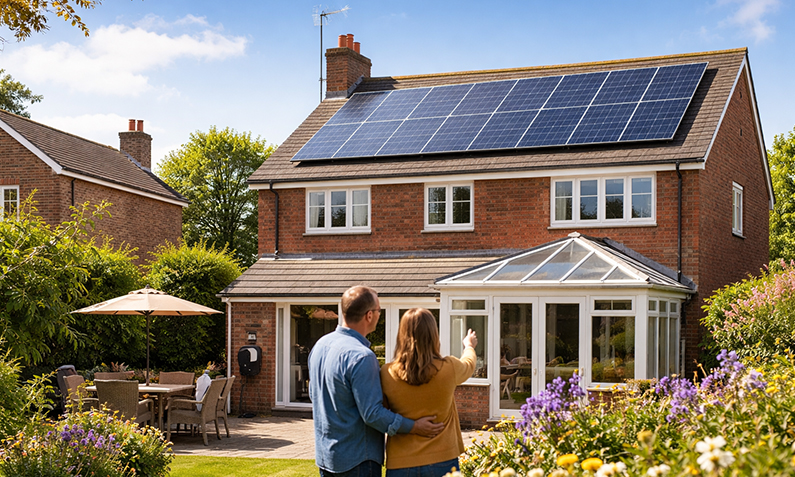





Why Solar Panels Are No Longer a Niche Home Upgrade

February 11th, 2026
Why Solar Panels Are No Longer a Niche Home Upgrade

Solar panels have moved firmly into the mainstream of UK home ownership. What was once seen as a specialist or environmentally driven upgrade is now widely viewed as a practical way to reduce an energy bill and improve long-term energy security.

Rising electricity prices and repeated changes to the energy price cap have forced many households to rethink how they power their homes. Across the UK, solar panels are increasingly being installed not as a statement, but as a financial decision based on predictable savings, energy efficiency, and long-term value.

Compare solar panel quotes to see how costs and savings compare for your home.

Compare solar panel quotes to see what systems cost for your home.

Why more UK households are turning to solar power

Energy costs have become one of the most unpredictable parts of household spending. Electricity suppliers set prices influenced by wholesale markets, fuel costs, and supply pressures that homeowners cannot control.

A solar panel system offers something fundamentally different:

  • The ability to generate renewable energy at home
  • Reduced exposure to electricity price volatility
  • Greater certainty over long-term electricity usage and costs

Instead of reacting to tariff changes, solar panel owners rely on a portion of their electricity being generated directly from their own roof.

How changing energy use is accelerating solar adoption

UK homes now use more electricity than they did a decade ago.

Several trends are driving this shift:

  • Remote and hybrid working
  • Electric vehicle charging at home
  • Heat pumps and air source heat pumps
  • Always-on devices and smart technology

As electricity usage increases, the value of generating each kilowatt hour of your own power rises. Every unit of excess electricity generated by solar panels is one that does not need to be bought from the grid.

Stop Overpaying — Compare Energy Deals Today

Check your current tariff against the cheapest energy deals available.

Solar panels as a financial decision, not an environmental statement

While reducing a household’s carbon footprint remains important, the primary motivation for many homeowners is now financial.

Modern solar PV installation helps households:

  • Reduce reliance on electricity suppliers
  • Offset exposure to the energy price cap
  • Gain predictable, long-term savings

For many typical households, the conversation has shifted from whether solar panels make sense to when installation becomes worthwhile.

Compare solar panel quotes to understand potential savings.

How solar panels reduce reliance on grid electricity

Solar panels convert sunlight — including indirect sunlight on cloudy days — into DC electricity, which is then converted for household use.

This is particularly effective for homes that:

  • Are occupied during the day
  • Run appliances in daylight hours
  • Have higher baseline electricity demand

Any excess solar energy can be exported back to the grid through an export tariff such as the Smart Export Guarantee, helping further reduce net energy costs.

The role of battery storage in modern solar systems

Solar batteries have transformed how solar panels are used.

Key benefits include:

  • Storing excess solar energy for evening use
  • Charging batteries overnight on low-cost tariffs, sometimes as low as around 7p per kilowatt hour
  • Increasing self-consumption of generated electricity

Tariffs such as Intelligent Octopus Flux have made battery-enabled systems more attractive by rewarding flexible energy use.

The role of battery storage in modern solar systems

What UK homeowners typically save with solar panels

Savings vary based on:

  • Size of the solar system
  • Electricity usage patterns
  • Whether solar batteries are installed

Typical outcomes include:

  • Several hundred pounds per year in reduced energy bills
  • Higher savings where excess electricity is stored or exported
  • Faster payback for homes with higher electricity demand

As electricity prices remain uncertain, solar panels provide a hedge against future increases.

Check whether solar panels could reduce your household energy bills.

Are high-quality or branded solar panels worth the extra cost?

In many cases, yes — but not always.

Higher-quality or best solar panels often offer:

  • Better long-term performance
  • Slower efficiency degradation
  • Longer product and performance warranties

However, system design, installation quality, and correct sizing matter more than branding alone. A well-designed system using mid-range panels can outperform a poorly installed premium system.

This is why choosing experienced, accredited solar panel installers is critical.

What government schemes or incentives are available for solar panels in the UK?

While upfront grants are limited, several incentives still apply:

  • Smart Export Guarantee (SEG): pays households for excess solar energy exported to the grid
  • VAT relief: zero-rated VAT on solar panel installation for residential properties
  • Energy efficiency improvements: solar panels can improve a home’s Energy Performance Certificate (EPC)

Rules may differ in Northern Ireland, so eligibility should always be checked.

Join Thousands Comparing Energy Deals in Minutes

See why UK households trust us to find cheaper gas and electricity.

What homeowners prioritise when choosing solar installers

As solar panels become long-term home infrastructure, homeowners increasingly focus on:

  • Microgeneration Certification Scheme (MCS) accreditation
  • Realistic performance estimates
  • Transparent cost of installation
  • Clear explanations of system size and output

Good installers treat solar as part of wider energy efficiency planning, often alongside heat pumps or insulation upgrades.

Compare solar installers to understand system and pricing differences.

Solar panels as part of long-term home planning

Solar panels now sit alongside insulation, heating systems, and efficient appliances as part of sensible home upgrades.

Once installed, they:

  • Require minimal maintenance
  • Operate quietly
  • Generate electricity year after year

Monitoring apps also help households understand electricity usage and adjust habits to maximise savings.

Solar panels as part of long-term home planning

Why delaying solar installation can increase long-term costs

Delaying solar installation often means:

  • Missing years of potential savings
  • Continued exposure to electricity price rises
  • Losing the benefit of self-generated energy

For many households, waiting increases long-term costs rather than reducing risk.

Check solar panel costs and see if installation makes sense for your home.

Correct as of 09 February 2026

FAQ’s About Solar Panels in the UK

Are solar panels worth it in the UK?

For many households, yes. Rising electricity prices and higher home energy use have strengthened the financial case.

How much do solar panels cost for a typical household?

The cost of solar panels depends on system size, panel type, and whether solar batteries are included.

How long do solar panels take to pay for themselves?

Payback periods vary, but many households see returns within several years depending on usage and energy prices.

Do solar panels work on cloudy days?

Yes. Solar panels generate electricity from indirect sunlight, although output is lower than in direct sun.

Is battery storage worth adding?

Battery storage can significantly increase self-use of solar energy, especially for evening electricity demand.

Are branded solar panels better than standard panels?

Higher-quality panels can offer better longevity, but installation quality and system design are equally important.

How do I get solar panel quotes?

Comparing quotes from multiple installers helps assess costs, savings, and system design options.

Also Read Related Articles

Compare Energy Prices in Just 6 Minutes

Switch today and start saving — quick, easy, and with zero obligation.

4000+ reviews