




Tool Van Insurance: What It Covers and What It Costs

Written by Shay Ramani
Reviewed by Prajesh Manvar
6 min read
Updated: 5 Nov 2026
Tool Van Insurance: What It Covers and What It Costs

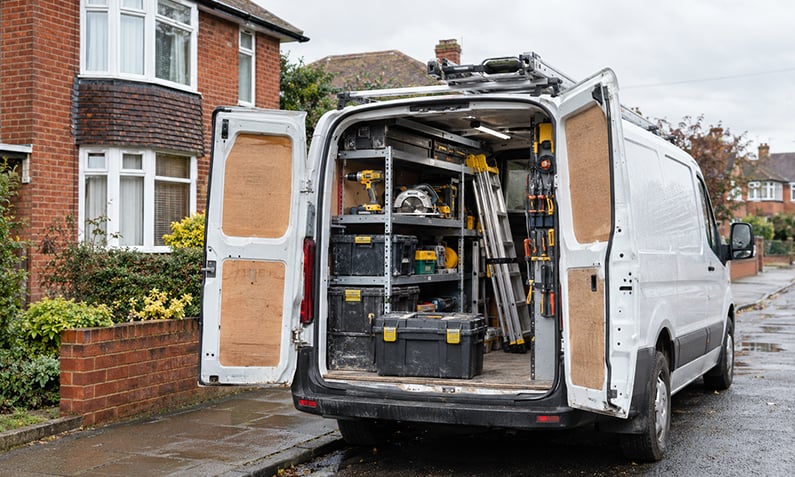
Tool van insurance is an add-on or separate policy that covers the tools and equipment you carry in your van against theft, loss or damage, because a standard van insurance policy does not usually include your tools as standard. Your motor cover protects the vehicle itself and your legal liability to other road users, but the drill, tester, nail gun or diagnostics kit in the back are treated as separate property that you insure specifically.

For a sole trader or tradesperson, that distinction matters. If your van is broken into overnight and the tools are taken, a comprehensive van policy alone often will not pay for the stolen kit unless you have added tool cover and met its security conditions. Free Price Compare works with a panel of 63 van insurance providers, so you can see where tools cover is offered as a bolt-on and compare the limits, excesses and overnight terms side by side.

Quick Answer: Tool Van Insurance

  • Standard van insurance rarely covers tools, cover is a separate add-on
  • RAC lists tools/van contents cover from £42.49 a year (RAC, 6 Oct 2026)
  • Cover limits commonly range from £1,000 up to £7,500 or £10,000
  • Most policies only pay out if the van was locked and secure
  • Many insurers exclude or limit tools left in the van overnight

Last updated: October 2026

Written by the Free Price Compare editorial team | Reviewed October 2026

Does van insurance cover tools as standard?

Van insurance does not usually cover tools as standard, because a motor policy insures the vehicle and your liability to others, not the business equipment inside it. To protect your tools you add tools and van contents cover to the policy, or you buy a separate tool insurance policy that sits alongside it. Community posts from UK tradespeople frequently describe break-ins where the insurer declined the tools claim because no tool cover was in place, and that reflects how most policies are structured.

Tools cover is the part of a van policy that pays towards replacing or repairing trade tools and equipment stolen from, or damaged in, your van. RAC lists tools and van contents cover from £42.49 a year, with selectable limits of £1,000, £2,500, £5,000 and £7,500 for tools or equipment damaged in transit or while loading and unloading, although the current price is not a guaranteed quote. Those figures are an advertised starting price for the add-on, not a guaranteed quote, and your own price depends on your trade, van security, excess and the value you insure.

If you want a plain-English breakdown of what the motor side of the policy does and does not include before you add tools, our guide to what van insurance covers walks through each section.

Compare van insurance with tools cover

What is van tool insurance cover?

Van tool insurance cover is protection for the trade tools and equipment carried in your van, paying out if they are stolen, lost or damaged subject to the policy’s limits and security conditions. It is usually sold either as a bolt-on to a commercial van policy or as a standalone tools-in-transit or tradesman’s tool policy underwritten separately. The cover typically names a total sum insured, for example £2,500 or £5,000, and may also cap how much it pays for any single item.

A key point many tradespeople miss is the single-article limit, which restricts the maximum payout for one expensive tool even if your total cover is higher. If you carry a £1,200 laser level under a policy with a £500 single-article limit, you would only recover £500 on that item unless you specify it separately. Read the schedule carefully for single-article limits, overnight exclusions and whether hired-in tools are included.

Cover also varies on how losses are settled. Some policies pay on a new-for-old basis up to the limit, while others settle at market value, which deducts for age and wear. The research for this article could not confirm that any insurer pays replacement cost as standard, so always check the valuation basis before you buy rather than assuming retail-price settlement.

Protect the tools in your van

See van policies with tools cover from our panel of 63 providers

How much does van tool insurance cost?

Van tool insurance cost depends mainly on the value of tools you insure, plus your trade, van security and chosen excess. As a bolt-on, the RAC advertises tools and van contents cover from £42.49 per year with limits up to £7,500 (RAC, 6 October 2026). Standalone tool insurance can cost more when it covers larger sums, but premiums vary by the tools insured, the business and the policy terms, so treat any published examples as indicative rather than quotes.

Tools insured Indicative monthly cost Approx. annual cost
£2,500 around £13.43 around £161
£5,000 around £26.86 around £322
£10,000 around £80.56 around £967

Figures are indicative and may change. The standalone benchmarks assume differing turnover and employee numbers, so they are not like-for-like with a simple van add-on and should be treated as a guide to how price scales with the sum insured, not a quote. The cheapest route is often to add tools to an existing van policy if your sum insured is modest, and to price a standalone policy only if you carry high-value kit.

If your renewal has jumped, our guides on whether you are overpaying for van insurance and how to save on van insurance explain where the savings usually sit.

How much does van tool insurance cost

Get a van insurance quote

Are tools covered if stolen from a van overnight?

Tools are often not covered, or are covered at a reduced limit, if they are stolen from a van left overnight, because many policies restrict or exclude unattended overnight theft. Where overnight cover is offered, insurers usually require the van to be locked, with the alarm set and sometimes parked off-road or on a driveway. This is the single biggest cause of declined tools claims that UK tradespeople describe, so the overnight terms deserve close reading.

Check three things in the policy wording: whether overnight theft is covered at all, what times count as overnight, and what security the insurer demands. Some policies only pay for daytime losses or losses while tools are in use, and others expect tools to be removed from the van between a stated time, such as 9pm and 6am. Where you cannot remove tools, look for a policy that specifically insures overnight theft and be honest about where the van is parked, because an inaccurate answer can void the claim.

Leaving a van full of tools unattended is also a well-known target for thieves. Our guidance on the risks of leaving your van unattended covers the practical steps, from deadlocks to signage, that both reduce theft and help you meet policy conditions.

Do I need business van insurance to cover tools?

You generally need a business class of use, not a private one, to carry tools for work and claim for them, because private van insurance covers social and domestic use only. The class of use on a van policy describes the journeys you are insured for, and carrying trade tools to and from jobs is business use. If you insure the van for private use but use it for work, the motor cover itself can be invalid, not just the tools add-on.

Carriage of own goods is the class most tradespeople need, as it covers you to transport your own tools, materials and equipment for your business. A plumber, electrician or joiner carrying their own kit falls into this category. If you carry goods or tools that belong to other people for payment, you need carriage of goods for hire and reward instead, which is a different and usually dearer class.

Getting the class of use right matters more than the tools add-on, because the wrong class can undo the whole policy. Our comparison of business versus private van insurance and the detail on business use versus personal use set out which class fits which kind of work.

Compare business van insurance

Do I have to disclose a separate tool policy to my van insurer?

You do not normally need to tell your van insurer about a standalone tool policy underwritten elsewhere, because it is a separate contract, but you should answer every question on the motor proposal honestly and in full. Under the Consumer Insurance (Disclosure and Representations) Act 2012, your duty is to take reasonable care not to make a misrepresentation when answering the insurer’s questions. If the van proposal asks whether tools are kept in the vehicle or whether you have other cover, answer accurately.

Problems arise not from holding a second policy, but from giving inaccurate answers that both insurers later rely on. If two policies could respond to the same loss, tell each insurer when you claim so they can apply any contribution clauses, which stop you recovering the same loss twice. Keeping receipts, serial numbers and photographs of your tools makes any claim, under either policy, far smoother.

Is tool van insurance worth it for tradespeople?

Tool van insurance is usually worth it for tradespeople who rely on their kit to earn, because losing it stops you working as well as costing the replacement price. A single van break-in can remove thousands of pounds of equipment overnight, and without cover you fund the replacements yourself before you can take the next job. The relevant comparison is the annual premium, often from around £42 as an add-on, against the cost and downtime of replacing a full set of tools.

Van ownership for trade use remains high. The Society of Motor Manufacturers and Traders (SMMT) recorded 181,201 new large-van registrations over 2.5 to 3.5 tonnes in the year to date for 2026, up 14.0% on the same period in 2025 (SMMT, data dated 5 October 2026), the category most tradespeople rely on. More tool-carrying vans on the road means the exposure to theft is significant, which is why tools cover is one of the most commonly requested add-ons.

Weigh the cost of cover against the value and importance of your kit. If you carry a small, low-value set you could self-insure and keep it with you, but if your livelihood depends on a van full of expensive tools, the add-on usually earns its keep. Our dedicated van insurance with tools cover page lets you compare the specific limits on offer.

Is tool van insurance worth it for tradespeople

FAQs about tool van insurance

What is van tool insurance?

Van tool insurance is cover that protects the trade tools and equipment carried in your van against theft, loss or damage, up to a set sum insured. It is sold either as a bolt-on to a van policy or as a separate standalone tool policy. Standard van insurance covers the vehicle and your liability to others, not the tools, so you need this cover specifically to claim for them.

Does van insurance cover tools automatically?

No, van insurance does not cover tools automatically in most cases. The motor policy insures the van and your legal liability, while the tools inside are treated as separate property. You have to add tools and van contents cover, or buy a separate tool insurance policy, for the equipment to be insured against theft or damage.

How much tool cover should I buy?

Insure the full replacement value of all the tools you carry, not a rough guess, because under-insurance can reduce a payout. List your kit, check current prices, and add any new tools you buy during the year. Also check the single-article limit, which caps the payout for any one item regardless of your total cover.

Are my tools covered if I leave them in the van overnight?

Often not, unless the policy specifically includes overnight theft cover. Many policies exclude or reduce cover for tools left in an unattended van overnight, and those that cover it usually require the van to be locked, alarmed and sometimes parked off-road. Always check the overnight terms and the stated hours before relying on this cover.

Do I need business van insurance to carry tools for work?

Yes, carrying tools for your business is a business use, not private use, so you need a business class such as carriage of own goods. Insuring the van for private use only while using it for work can invalidate the whole policy. Carriage of own goods covers transporting your own tools, materials and equipment for your trade.

Will van insurance pay replacement cost or market value for stolen tools?

It depends on the policy. Some tool policies settle on a new-for-old basis up to the limit, while others pay market value, which deducts for age and wear. Do not assume you will get retail replacement cost, as this varies between insurers, so check the valuation basis in the schedule before buying.

Do I have to tell my van insurer about a separate tool policy?

You do not normally need to declare a standalone tool policy underwritten elsewhere, but you must answer all questions on the van proposal honestly. If the motor proposal asks about tools or other cover, answer accurately. When you claim and two policies could respond, tell each insurer so contribution clauses can be applied correctly.

What happens if my van is broken into and I have no tools cover?

Without tools cover, a comprehensive van policy will usually pay to repair the break-in damage to the van, such as a forced lock or broken window, but not to replace the stolen tools. You would fund the replacement equipment yourself. This is why tools cover is bought separately, as the motor policy alone rarely pays for the kit.

Is standalone tool insurance better than a van add-on?

A van add-on is usually cheaper and simpler for modest tool values, while a standalone tool policy suits high-value kit or cover that travels with you beyond the van. Standalone policies often offer higher limits and wider cover, such as tools in your home or at a site. Compare the limits, excess and overnight terms of both before deciding.

Can I claim on both my tool policy and van policy for the same theft?

You cannot recover the same loss twice. If two policies could respond to one theft, each insurer applies a contribution clause so they share the cost rather than both paying in full. Tell both insurers about the other cover when you claim, so the settlement is handled correctly and your claim is not delayed or refused.

Does carrying tools invalidate my ordinary van insurance?

Carrying tools does not invalidate the cover by itself, but using the van for business on a private-use policy can. The issue is the class of use, not the presence of tools. Make sure your policy shows business use, such as carriage of own goods, if you drive to jobs with your equipment on board.

How can I reduce my tool van insurance premium?

Fit approved security such as deadlocks, an alarm and tool vaults, park off-road where possible, and remove tools overnight if your policy expects it. A higher voluntary excess lowers the premium but increases what you pay on a claim. Comparing quotes across several insurers on the same details is usually the single biggest saving.

Also Read Related Articles


Information correct as of 20 October 2026. Prices, tariffs, policy details and providers change frequently, so please check the latest details before making a decision. This article is for general information only and does not constitute financial advice. Free Price Compare is authorised and regulated by the Financial Conduct Authority (FCA).

4000+ reviews