






How “Vampire Energy” Increases Bills for UK Households

December 4th, 2025
How “Vampire Energy” Increases Bills for UK Households

Many homes in the UK have a problem that often goes unnoticed. A lot of people leave electrical appliances on standby or plugged in all the time. These things still use power, which is called vampire energy. This can make your electricity bills go up, even if you do not think about it. In 2025, many energy customers in England, Wales, Scotland, and Northern Ireland feel the impact. This issue is still one of the main reasons for higher bills, and most people do not even know it is happening.

With the cost of electricity still set by the energy price cap and what happens in the wholesale market, it helps to use less wasted power. Cutting down on waste is one good way to save money before you compare energy prices or think about choosing a new supplier.

What Is Vampire Energy and Why Does It Matter?

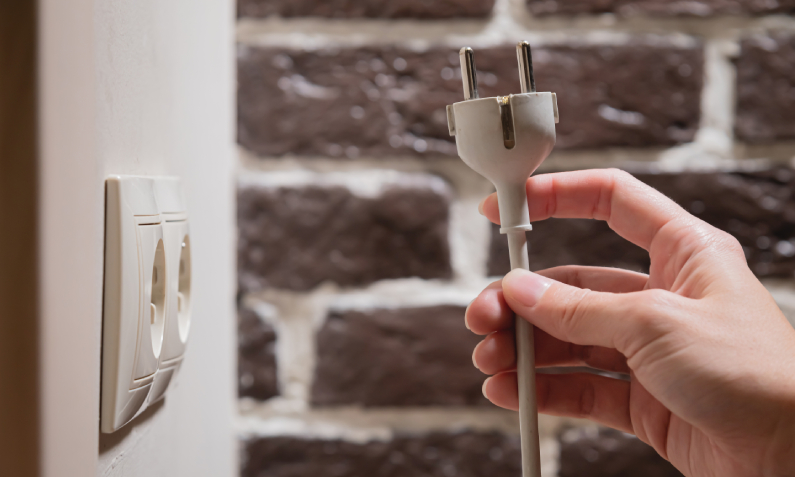
Vampire energy, also known as standby power or phantom load, is the electricity that gets used by devices in your home even when they are not doing anything. Things like the TV, router, and microwave still use some power. They stay a little bit on so that they can start fast or keep their settings. This use of electricity happens all the time, and it adds to your power bill.

The Energy Saving Trust says UK homes waste between £55 and £147 every year by leaving their appliances on standby. This wasted power adds up over time. A house can use between 200 and 550 kWh of electricity each year from leaving devices turned on. How much you lose can depend on the number of things you own and how old they are.

For homes that use standard variable tariffs, energy that is wasted makes bills higher. On average, this means about £13 each month is spent for no good reason with the current rates, which are close to 26.35p for each kWh.

It is a good idea to switch off these devices before you begin to compare energy tariffs or think about changing your energy supplier. Doing this helps you get a more clear picture of how much energy your home really uses with that energy supplier and new energy supplier.

How Much Vampire Energy Costs UK Homes in 2025

Standby energy waste is not a small problem. Studies show that up to 16% of UK homes’ electricity now comes from things people leave on standby. For a home under the current price cap, this can cost almost £150 each year. That’s about the same as what you would pay to run a fridge-freezer for six months.

Appliance Average Cost per Year Typical Power Use Notes
TV & Set-Top Box £48 150 kWh Still active when “off”
Router/Modem £19 70 kWh Runs 24/7
Microwave £16 60 kWh Digital clock always on
Games Console £12 45 kWh Uses power for updates
Smart Speakers £9 35 kWh Standby connection
Printer/Dishwasher/Washing Machine £7 25 kWh Indicator lights and sensors
Phone Chargers £1–£2 each 5–10 kWh Still draw power plugged in

These small costs can add up fast, especially if you have more than one TV, console, or router in your home.

Check your latest meter readings to see how much energy your home really uses

How New Energy Efficiency Rules Help in 2025

New UK and EU rules on standby power will start in May 2025. These rules say that most electrical appliances must use only 2 to 7 watts when on standby. Older electrical appliances used more power on standby, around 10 to 15 watts. Now, the power use for standby will be lower.

The new rules are for many things, including Wi-Fi routers and motorised furniture. The efficiency standards for these will:

  • UK and EU homes together can save £530 million each year.
  • This can lower carbon emissions by 1.4 million tonnes every year.
  • This may push companies to make smart energy appliances that use less power.

For energy customers who still have older devices, switching to A-rated or Energy Star models can lower the amount of power used on standby by up to 60%. It is a good and easy thing to do before you think about changing or comparing energy suppliers.

How Consumer Habits Increase Energy Costs

Even if you get new and better appliances, what people do still matters a lot. A survey from 2025 showed this.

  • About 63% of UK households say they try to use less standby energy.
  • Around 21% still keep most devices plugged in because it is easier for them.
  • About 16% do not know that leaving things on standby makes their bills higher.

In homes where they use more than one router, game consoles, and smart devices, there is something called vampire energy. This can be more than 10% of the total energy usage in the house. Because of this, it can be hard to know the real amount of energy you use. When you look at results from energy comparison or check what price comparison websites tell you, it might not match your actual energy usage.

To get good results when you compare, use your smart meter or the newest meter readings. Check these to find your average kWh of electricity and kWh of gas used in a year. This will help you know the real numbers for your home.

Track your energy use with your smart meter before comparing tariffs

Your Next Bill Could Be Lower

Use our calculator to see what you’d save — takes under 6 minutes.

Why You Should Tackle Vampire Energy Before Comparing Tariffs

Cutting down on vampire energy helps you see your real energy usage. If you use less energy in your home because it is more efficient, any energy deal you look at next will be based on true data, not on high numbers.

Households that start by cutting their standby power and then compare energy prices often find better rates. You can feel sure about moving to a new supplier if you do this.

It’s also worth noting:

  • People who pay by direct debit often pay less money than those who use prepayment tariffs or a credit meter.
  • The energy switch guarantee makes sure your energy supply stays on when you switch providers.
  • Ofgem’s energy price cap sets a limit on the supplier’s standard variable tariff. This means you will not be overcharged while you look at other options.

How to Reduce Vampire Energy at Home

There are some simple and cheap ways to help with energy efficiency at home and cut down on waste from things left on:

  • Unplug devices fully rather than keeping them on standby.
  • Use smart plugs or timers so you can turn off devices at night without having to remember.
  • Replace old routers, TVs, and microwaves with newer models that use less energy.
  • Switch off gaming consoles and streaming boxes if you are not using them.
  • A good idea is to not charge phones while you sleep. This helps with safety and energy usage.
  • Use your smart meter to look at real-time energy usage. This way, you can see what devices use too much power.
  • Make some home improvements, like adding insulation and using LED lighting, to lower your energy usage.

Making even little changes can help cut down on the amount of energy used. This can lower your energy bill before you switch.

See which energy suppliers give discounts when you use smart energy

How Much Can You Save Each Year?

A typical home can save money by cutting vampire energy. People could see savings from £55 up to £147 each year. With today’s electricity cost near 26.35p for each kwh of electricity, this means you can save from 200 to 550 kwh of electricity every year.

Energy-Saving Action Annual Saving Equivalent Energy Saved
Switching off devices fully £55–£100 200–400 kWh
Using smart plugs/timers £15–£25 50–100 kWh
Upgrading to energy-efficient appliances £30–£50 100–150 kWh

If you have a big family or a lot of devices at home, you could save more than £150 every year. This can help pay for a big part of the standing charge. It might even help with the cost of a dual fuel tariff.

How Much Can You Save Each Year

When to Compare Energy Prices After Cutting Waste

After you cut down on your standby power use and write down your new meter readings, it’s the right time to check your numbers again. This will help you to see your energy usage based on real data, instead of higher estimates.

Use price comparison websites that follow the Ofgem Confidence Code. The results you get are fair. They show both fixed rate and variable rate deals from different energy suppliers.

If you use a prepayment meter, you can still look at and change to a new energy supplier. You can also ask for a smart prepayment meter. A smart meter can help you top-up in an easier way.

Compare energy prices today to find the best deal for your real energy usage

Regional Factors and Energy Supplier Differences

In Northern Ireland, the energy market is not the same as in Great Britain. The tariffs and ways people pay for energy are different here. If you live in this area, you will still get similar advice on energy efficiency. A lot of homes use storage heaters and hot water tanks. These can use a lot of energy, mostly when it is night and prices may change because of the different tariffs in northern ireland. If you want to lower your bill, think about when and how you use hot water and storage heaters. This will help you work toward energy efficiency and save money.

You need to know about your home’s setup. This includes the heating, insulation, and what electrical appliances you have. It will help when you want to compare tariffs or check how much energy you use.

Save More with Dual Fuel Energy Tariffs

Switch both gas and electricity in just 6 minutes and cut your bills.

When to Contact Citizens Advice for Help

If you do not know your rights, or if it is hard for you to change energy provider, help is there for you. If you have energy debt, you can talk to the Citizens Advice Consumer Service. The Citizens Advice Consumer team can help people like you or me. You can get support with what you need.

You can get in touch with them by phone or use their online chat. A trained adviser will help explain things to you.

  • Find out how to talk to your current energy supplier, or a new supplier, when you need help. There are steps you can take if you want to switch from your current energy supplier to a new supplier.
  • If you think you have been charged too much or see billing mistakes, you can ask your energy supplier for help. Make sure you check all your bills and talk to them about any overcharges.
  • If you or someone you care for is a vulnerable customer or uses prepayment tariffs, support is available. Your energy supplier can tell you about steps and support that can make things easier.

For more serious cases, they may send you to the energy regulator Ofgem. Ofgem is in charge of all energy suppliers in the UK.

FAQs About Vampire Energy and Comparing Tariffs

What is vampire energy in simple terms?

Vampire energy is the power that many devices use when they are plugged in, even if you are not using them or they are in standby mode. This hidden use can make your energy bills go up without you knowing.

How much energy does vampire power use each year?

In a typical home, things that use vampire energy make up about 10 to 16% of all energy usage. This can cost someone between £55 and £147 each year. The cost depends on how many of their appliances stay on standby.

What is the average electricity bill for a household in the UK?

As of late 2025, the average yearly electricity bill for a home that uses both gas and electricity, and pays by direct debit, is about £1,755. This is based on the energy price cap. The final cost depends on how much energy you use. It is based on how many kWh of electricity and kWh of gas you use over the year.

How do I read and understand my electricity bill statement?

Your bill shows the amount of energy you have used. It gives you this in kWh. It also lists the unit rate for each kWh and tells the daily standing charge. Make sure to check if you are on a standard variable tariff or a fixed-rate one. Look at your “previous reading” and “current reading” to see that the bill is right.

Is it better to switch off devices completely or leave them on standby?

It is always a good idea to turn off your appliances at the wall. When you leave devices on standby, they still use some electricity. This adds to your energy usage as time goes by.

Can prepayment customers reduce costs by cutting standby energy?

Yes. When you lower standby power, you use less energy. This helps prepayment meter customers keep their credit for a longer time and not top up as often.

What is the best time to compare energy prices?

The best time to look at energy prices is before your current energy supplier ends your set plan or when the price cap goes up. This lets you get a new deal with your energy supplier before prices get higher.

What should I check before switching to a new supplier?

Check what your current tariff is, if there is any exit fee, and your latest meter readings. Use price comparison websites approved under the Ofgem Confidence Code to look for the best deal that fits your usage.

Can I save more money by improving home energy efficiency?

Yes. Making your home better with things like better insulation, LED lights, or getting a smart meter can help lower the amount of energy that you use. It can help cut your energy bills, even before you switch to a new supplier.

Who can I contact if I need help understanding my energy bill?

You can talk to your energy supplier’s customer service team, or you can reach out to the Citizens Advice Consumer Service by phone or online chat. A trained adviser will help you understand your bill, your tariff type, and any support options that may be open to you.

How do I calculate my monthly electricity usage and costs?

To estimate your monthly usage, check your latest meter readings or smart meter data to see how many kilowatt hours (kWh) you use. Multiply that figure by your tariff’s unit rate (in pence per kWh), then add your daily standing charge multiplied by the number of days in the month. This gives you a close estimate of your electricity costs before your bill arrives.

Compare Energy Prices in Just 6 Minutes

Switch today and start saving — quick, easy, and with zero obligation.

4000+ reviews