




Lower Your Boiler Flow Temperature to Cut Heating Bills

December 9th, 2025
Lower Your Boiler Flow Temperature to Cut Heating Bills

Content in this article

Energy bills are still a lot higher than a few years back. Many people want to find simple and sure ways to use less gas. You can turn down the thermostat. You can also stop draughts from coming into your home. These will help, but there is another good way to do it. Experts say that lowering your boiler flow temperature can be one of the best and most overlooked ways to cut your energy bills.

This one small change with your heating can help you save money. You may be able to cut heating bills by up to 9–12%, depending on the type of boiler you have and the current settings. If you live in the UK, you could save between £65 and £112 every year without making your home feel less warm or comfortable.

This guide tells you what the flow temperature on your boiler is. It explains why it is important for your home. You will read about how much money you could save if you change this setting. The guide also shows you how to change flow temperature in a safe way on different types of boilers.

Along the way, we will share some useful heating tips. We will also let you know when it is good to check your protection with a home emergency or boiler policy if you want peace of mind. If you are looking at other choices, you can always compare boiler cover to find plans that do not cost much.

Want predictable heating costs? See your best options when you compare boiler cover

What is boiler flow temperature?

Boiler flow temperature means the temperature of the water coming out of your boiler. This water goes through the pipes to reach your radiators. The boiler thermostat controls the flow temperature. Your room thermostat does not control it.

The Energy Saving Trust says that lowering this setting helps a modern condensing boiler use less energy. When the boiler does not heat water to very high temperatures, it can work better. The boiler gets to be in its best condensing mode. It holds onto more heat and does not let as much go out through the flue.

Unlike your radiator valves or thermostat, this setting controls how hot the water is when it leaves the boiler. It does not decide the temperature in the room.

Why is flow temperature usually set too high?

Most gas boilers in the UK, like combi boilers, are put in with settings at about 75 to 80°C. The people who set them up do this because the heat makes radiators work well, especially in old homes or places that do not keep warmth in well.

However, modern boilers work better for heating when set between 55–60°C. At this range, the boiler runs in a way that saves more heat, uses less gas, and still keeps your rooms at the same temperature.

Because of this, millions of homes waste gas every winter. This happens because the boiler flow temperature has not been adjusted.

Boiler cover

Compare Boiler cover quotes

  • Boiler cover from only £6.99 a month
  • We provide nationwide coverage
  • 1 month Free
Compare Quotes

How much could lowering flow temperature save?

Several experts and energy groups have looked at how much you can save.

  • EDF: Bringing the flow temperature down from 80°C to 60°C can help use about 9% less gas.
  • Nesta: Lowering the flow temperature to between 55 and 60°C can save up to 12%. This could mean around £65 less spent each year.
  • VoucherCodes: If you have a combi boiler at home, changing the flow temperature could help you save up to £112 on heating every year.
  • Octopus Energy: A flow temperature set at 55 to 60°C can keep your home warm. It can also help to cut heating bills by around 12%.

Savings depend on:

  • how high your boiler is set right now
  • the level of insulation in your home
  • the size of your radiator
  • your heating habits
  • the type of boiler you have (combi boilers usually be the ones to benefit most)

Most of the time, people in the house save money and still feel comfortable.

How lowering boiler flow temperature works

Lowering flow temperature means the temperature of the water going into the radiators gets less. The boiler does not need to make this water very hot. It uses less gas to do the job.

A lower flow temperature helps your boiler stay longer in condensing mode. This is good for efficiency. When water goes back to the boiler, it is cooler. This lets more heat be kept in the system. Less heat escapes out with the flue gases.

Planning ahead for winter? Check how much you could save when you compare boiler cover

Will my home still feel warm?

Yes, you can. It works if your radiators are the right size and your home has enough insulation.

You may experience:

  • the radiators feel less hot when you touch them
  • you may notice it takes a bit longer for the heating to warm up
  • you get a steady and nice temperature in all the rooms

The comfort level stays the same as the thermostat keeps setting the final room temperature. You use the boiler to reach that temperature, but get there more efficiently.

How to lower your boiler flow temperature

Combi boilers (no hot water cylinder)

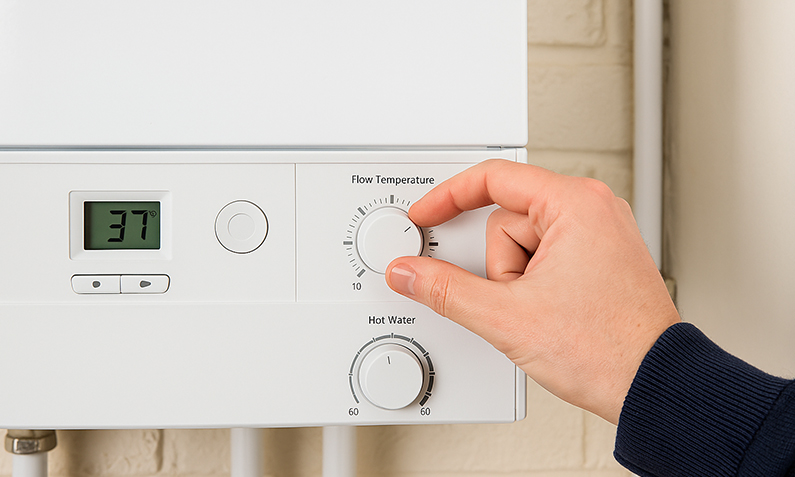
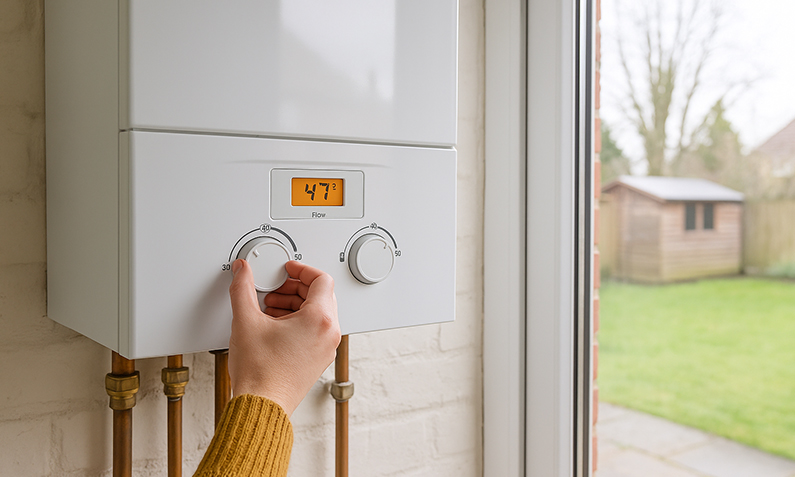
Most combi boilers come with two dials or have digital controls.

  • radiator icon (heating temperature)
  • tap icon (hot water temperature)

To lower the flow temperature, you just need to change the radiator setting. The best range to use is 55–60°C.

System or conventional boilers (with a cylinder)

These have just one heating temperature that you can set for the boiler.

Turn the dial down from about 75–80°C until you get to 60°C. Make sure the cylinder thermostat stays at 60°C to keep everything safe and clean.

Important safety notes

  • Do not set the hot water cylinder temperature below 60°C. This is because it can make it easier for bacteria to grow.
  • If radiators do not heat rooms well, you may have to use higher flow temperatures or add more insulation.
  • Older boilers may not work well at lower temperatures, so the amount you save can change.

If you do not feel sure, you can talk to a heating engineer. You can also read your boiler’s instruction manual.

How to lower your boiler flow temperature

Signs your boiler flow temperature is set too high

  • The radiators be very hot even when the day is not cold.
  • It makes rooms get warm fast, but they cool off just as quickly.
  • The boiler turns on and off a lot.
  • Energy bills stay high even if you change the thermostat.

High flow temperatures can also cause wear on boiler parts as time goes on.

Additional energy-saving tips that complement lowering flow temperature

Turn the thermostat down by 1°C

Saves around 10% on annual heating costs.

Bleed radiators

Ensures hot water circulates properly.

Improve insulation

Draught excluders help stop cold air from getting in. Loft insulation keeps in the heat. Thicker curtains add another layer, so less heat goes out. These things work well to lower heat loss and make the room feel warmer.

Use smart heating controls

Smart thermostats help you keep the temperature right in your home. They also stop heating from getting too high. With smart thermostats, you do not need to worry about overheating.

Lower hot water temperature (combi boilers)

Set the hot water to about 50°C. This helps be comfortable and use energy well.

Want extra peace of mind? See protection plans now and check boiler cover in minutes

What if my radiators don’t heat up properly after lowering the flow temperature?

Try the following:

  • increase flow temperature a little, for example go from 55°C to 60°C
  • make sure the radiators are bled
  • look if there are cold spots, they may need balancing
  • improve the insulation in rooms that have problems
  • make sure all doors and windows seal tight

Not every home will work well with a flow temperature of 55°C. This is true, especially if there are older houses that have small radiators or single glazing. But, many homes can still be comfortable with a flow temperature of 60°C.

Should every home lower boiler flow temperature?

Homes that get the most out of this are:

  • places that use combi boilers
  • homes where there is good insulation
  • buildings that are new
  • households that want their energy use to be steady and lower

Homes that may need higher flow temperatures:

  • Older homes that feel cold or let in drafts
  • Homes that have very small radiators in them
  • Households that need the room to get warm fast

Even in the cases like these, lowering the temperature just a bit can still help.

Boiler cover

Compare Boiler cover quotes

  • Boiler cover from only £6.99 a month
  • We provide nationwide coverage
  • 1 month Free
Compare Quotes

When to consider boiler cover or home emergency protection

If you have an older boiler or you need to change the settings for the first time, you may worry about what happens if it stops working. Modern condensing boilers are good at saving energy. But the pumps, valves, and sensors inside can still break down as time goes by.

If you want to look at your boiler protection or change to a cheaper plan, it is good to compare boiler cover. This helps you see what you get for repairs, call-outs, and yearly checks.

Improving energy efficiency when lowering your boiler flow temperature

Lowering the boiler flow temperature is a simple way to help with energy efficiency in your home. The central heating system uses a lot of energy, so making small changes, along with this one, can be even better. These little adjustments can lower your gas bills, help with your carbon footprint, and let your boiler and heating system work better.

The average household may not know how much energy is lost because of old equipment or outdated boiler settings. A lot of older systems made before September 2015 do not meet today’s ErP or the earlier SEDBUK rules. These ratings help show the efficiency of your boiler. Many homes still use an old boiler, and these old boilers burn more fuel than they should.

Homes with a hot water tank or old heating system can get more from their heating by changing the heating flow temperature. You can bleed the radiators and check your use with a smart meter. A smart meter shows how fuel prices, your heating, and feel of temperature make your costs go up or down in real time.

If your boiler is over 10 to 15 years old, it can be a great way to cut down waste if you replace it with a more efficient model. Newer boilers use more of the amount of heat from each unit of gas burned. This can help lower carbon emissions in the UK, which come from burning fossil fuels. No matter the type of home, even smaller places can get something good from better boiler controls, better insulation, and lower thermostat temperature.

Lowering the flow temperature on your boiler helps lower your energy prices. It can make your heating feel more comfortable. This change also makes sure your heating setup works in the best way. If you do these steps together in the cold months, you will feel the difference.

Improving energy efficiency when lowering your boiler flow temperature

Correct as of 03 December 2025

FAQs About Adjusting Boiler Flow Temperature

What exactly does lowering boiler flow temperature do?

It lowers the temperature of the water that goes to your radiators. This helps your boiler work better and use less gas. Your rooms will still stay at the same temperature.

Is lowering boiler flow temperature the same as turning down the thermostat?

Many people get mixed up about this. Search engines like it when you give simple, useful explanations of heating controls. It helps people understand how the heating works. A clear answer also makes it easier for others to find what they need online.

Will lowering the flow temperature make my radiators feel cooler?

Yes, the radiators will feel warm, not very hot. But the home will still get to the thermostat temperature you set.

Can I lower the flow temperature on all boiler types?

Yes, but you get the most savings with new combi boilers. System and regular boilers can also help you save money. Still, you might need to set them a bit higher based on how big the radiators are.

Is it safe to reduce the flow temperature?

Yes. Heating engineers say that you should lower the flow temperature to save energy. Make sure the hot water in your cylinder stays at 60°C. This helps keep bacteria away and is safe for your heating system.

How much can I save by lowering boiler flow temperature?

Savings go from 9% to 12%. The amount depends on the boiler you use, how much insulation you have, and the settings you pick. This means UK households can save between £65 and £112 each year.

Some boilers do not heat rooms well when the temperature is below 55°C. When it is above 60°C, the boiler works with less efficiency. This is because the boiler does not spend enough time condensing.

Will lowering flow temperature affect my hot water?

Not with combi boilers. The hot water temperature is set on its own. You can change the flow temperature for the radiator circuit, but not for the hot water.

Why did installers set boilers so high originally?

To get good performance from your radiator, you need to use it the right way, especially if you are in an older home. But today, new boilers work better. They also use less energy when they run at lower temperatures.

Will lowering boiler flow temperature reduce wear and tear?

Yes, this is because the boiler does not turn on and off as often. It also doesn’t run at very high heat. This can help the boiler parts last longer.

Can smart thermostats work with lower flow temperatures?

Yes. Smart thermostats like Hive, Nest or Tado are good because they help to make heat cycles better at any flow temperature.

Does lowering boiler flow temperature make heating slower?

Many people often ask if it will take more time for rooms to get warm when the flow temperature is lower.

Will reducing my boiler flow temperature work with all radiator types?

This is an important question, mainly for older homes or places that have big radiators.

Can I lower the boiler flow temperature if I have a hot water tank?

This question is often asked by people who have system boilers in their homes, not by those who have combi boilers.

Does the ideal boiler flow temperature change depending on the type of home?

Search demand has questions like “best boiler flow temp for semi-detached” or for an “older home.”

Can lowering boiler flow temperature affect my boiler warranty?

Warranty concerns are a high-trust search signal.

Does reducing flow temperature work on older boilers?

Many people look online because they do not know if their old boiler or older heating system can use it. Some users need help with their heating system and wonder about their old boiler. A lot of searches are about heating and boiler questions. These people want to find answers for their heating and boiler issues.

How do weather compensation and load compensation affect boiler efficiency?

There are people who search for things like “smart controls” and “optimised heating.” These are users who want to know more about heating. They are not just curious. They want answers that can help them make good choices.

Will lowering my boiler flow temperature reduce carbon emissions?

This is linked to questions about the environment and saving energy.

Is it safe to adjust the boiler flow temperature myself?

Search engines show content that makes safety clear. They also help people see when they can do things themselves or when they should ask an engineer.

How does lowering flow temperature compare to replacing the boiler?

A lot of people ask if they should switch to an efficient model when they have an old boiler. This is a good question. Many want to know if it is better to keep the old boiler or get a new, efficient model. You can think about things like how much it costs to keep your current boiler working, and if the new one will help you save on bills. This can help you see if switching to an efficient model is worth it.

Also Read Related Articles

Boiler cover

Compare Boiler cover quotes

  • Boiler cover from only £6.99 a month
  • We provide nationwide coverage
  • 1 month Free
Compare Quotes
4000+ reviews