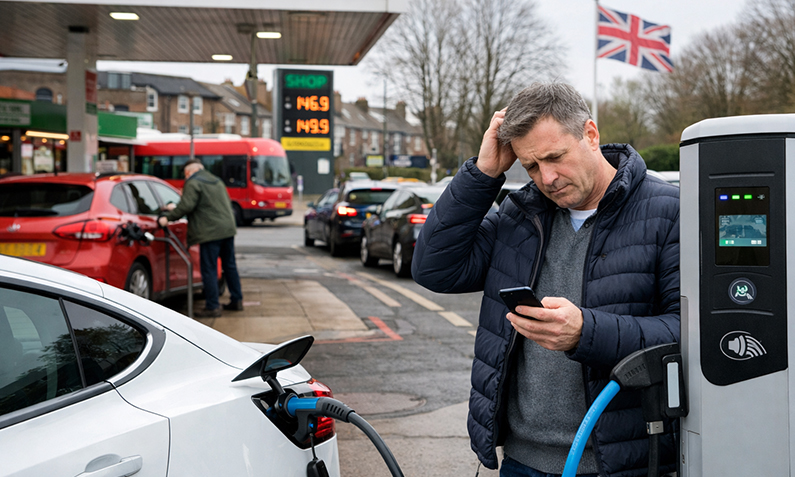






Why UK Drivers Hesitate to Switch to Electric Cars

February 4th, 2026
Why UK Drivers Hesitate to Switch to Electric Cars

Electric cars are becoming more visible on UK roads, yet a significant number of drivers remain unconvinced. Recent research suggests that almost one in four UK drivers say they would never consider buying an electric car, regardless of incentives or technological improvements.

Reluctance is strongest among older motorists. Among drivers aged over 55, around 43% say they would never go electric, highlighting a clear divide in attitudes toward electric vehicles (EVs), despite growing awareness of environmental benefits and lower fuel costs.

Compare the running costs of electric and petrol cars.

How many drivers say they would never buy an electric car?

A nationwide survey found that 24% of drivers say absolutely nothing would persuade them to switch to an electric car. This figure rises sharply with age.

Differences by age group

  • All drivers: around 1 in 4
  • Drivers aged over 55: over 4 in 10

Concerns tend to focus less on environmental issues and more on cost, practicality and reliability.

Why are older drivers more hesitant about electric cars?

Older drivers are often more cautious about large purchases and unfamiliar EV technology.

Common concerns include:

  • High upfront costs compared with an equivalent petrol or diesel car
  • Uncertainty around battery costs and longevity
  • Range anxiety and public charging availability
  • Insurance and repair costs

For many, sticking with a known vehicle type still feels like the safer option.

Compare Car Insurance

Save up to £523* on your car insurance

What are the main reasons drivers avoid electric cars?

The survey highlighted several recurring barriers.

Top reasons drivers won’t consider an electric car

Reason Percentage
Battery lifespan concerns 55%
High upfront costs 49%
Charging times 49%
Limited mile range 43%
Charging infrastructure worries Common
Insurance costs Common

Despite falling tailpipe emissions and environmental benefits, these concerns remain decisive.

Are concerns about battery life and range justified?

Battery performance has improved, but concerns are understandable.

Battery lifespan and EV range

Most EV batteries are designed to last 8–10 years, often supported by manufacturer warranties. Real-world EV range varies depending on:

  • Driving speed
  • Weather conditions
  • Use of heating or air conditioning

Modern EV technology, including regenerative braking, helps improve efficiency, but range anxiety persists for first-time buyers.

Are concerns about battery life and range justified

How much does it actually cost to charge an electric car at home in the UK?

Home charging is usually the cheapest option for EV owners.

Typical home charging costs

  • Charging at home using a standard tariff is generally cheaper than petrol or diesel
  • Costs depend on electricity rates, battery size, and type of charger
  • Drivers with a home charger and off-peak tariffs benefit most

Using renewable energy sources or solar panels can further reduce charging costs.

Compare electric and petrol car running costs.

How expensive is public charging?

Public charging costs vary widely.

  • Rapid public chargers are usually more expensive
  • Public charging in car parks and motorway services costs more than home charging
  • A growing charging network means availability is improving, but pricing remains inconsistent

For drivers without home charging, public network costs are a major consideration.

Do electric cars cost more to insure?

Insurance costs are a concern for many EV drivers.

Why EV insurance can be higher

  • Higher repair costs due to specialist parts
  • Battery-related damage risk
  • Longer repair times

That said, electric car insurance pricing varies by model, driver profile and insurer, and some EVs are becoming more competitive.

Compare Car Insurance

Save up to £523* on your car insurance

A growing number of EV models now appeal to mainstream buyers.

  • Tesla Model Y – strong range and charging network access
  • BMW iX – premium build and safety features
  • Smaller electric hatchbacks offering lower upfront costs

According to Society of Motor Manufacturers and Traders, around a quarter of new electric cars on sale are eligible for current government grants.

What should I know before buying a used electric car?

Used EVs can offer better value, but checks are essential.

Key things to check

  • Battery health and remaining capacity
  • Charging compatibility
  • Warranty coverage
  • Breakdown cover availability

Understanding battery condition is particularly important for first-time EV buyers.

What government incentives are available for electric cars?

The UK government currently supports EV adoption through targeted schemes.

Electric Car Grant

  • £1,500 or £3,750 off eligible new EVs
  • Focused on lower-priced models

Other benefits may include:

  • Reduced or zero vehicle excise duty (road tax)
  • Lower congestion charge costs in some cities
  • Salary sacrifice schemes for company car drivers

What would persuade more drivers to switch?

Drivers said they would reconsider EVs if they saw:

  • Lower charging costs
  • Improved public charging coverage
  • Greater mile range
  • Clearer long-term financial benefits

Lower greenhouse gas emissions, reduced noise pollution, and zero tailpipe emissions appeal to some, but cost certainty remains key.

What would persuade more drivers to switch

Where can I find trusted information and advice on choosing an electric vehicle?

Drivers benefit from:

  • Independent consumer guides
  • Insurance comparisons
  • Manufacturer specifications
  • Ownership cost comparisons

Looking at financial benefits, insurance costs and real-world charging needs together provides a clearer picture.

See how car ownership costs compare across vehicle types.

Correct as of 02 February 2026

FAQ’s About Switching to an Electric Cars

Why won’t some drivers consider electric cars?

Concerns around cost, charging, battery lifespan and insurance remain the main barriers.

Are electric cars cheaper to run than petrol cars?

Often yes, especially for home charging, but savings depend on usage patterns.

Do electric cars have lower emissions?

Yes. EVs produce zero tailpipe emissions, reducing carbon dioxide output.

Do electric cars cost more to insure?

Some models do, but costs vary widely and are becoming more competitive.

Are electric cars suitable for first-time buyers?

They can be, but understanding charging access and insurance is important.

Is switching to electric good news for drivers?

For some drivers, yes — particularly those focused on fuel savings and lower maintenance.

Also Read Related Articles

The Importance of Comparison Sites

Get Cheaper Car Insurance – Even with Points or Claims

We help you find policies that suit your situation and budget.

4000+ reviews