





Do You Pay Standing Charges Even Without Energy Use?

March 20th, 2026
Do You Pay Standing Charges Even Without Energy Use?

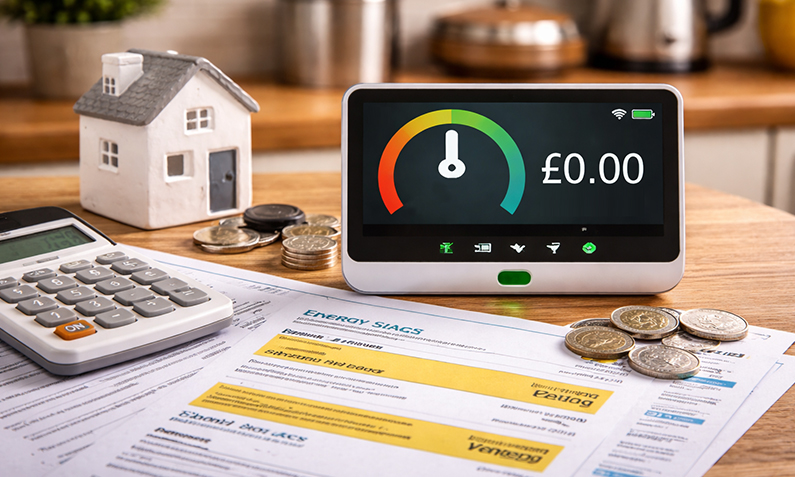
Standing charges are a fixed daily cost included in most UK electricity and gas tariffs. These charges help cover the cost of maintaining the infrastructure that delivers energy to homes and businesses across the country.

Even if you use very little energy, or none at all, the standing charge usually still applies. This is because the charge covers the fixed costs of maintaining the energy supply network, rather than the amount of electricity or gas used.

Standing charges are usually a fixed daily amount that appears on most electricity and gas tariffs. Even if your energy use is extremely low, the charge still applies as long as the property maintains an energy connection to the national grid.

Many households notice this when they receive electricity bills with little or no usage, especially if a property is temporarily empty or used as a holiday home. In these situations, the standing charge can still appear on the bill even when energy consumption is extremely low.

Understanding why these charges apply can help households make better sense of their energy bills and evaluate tariffs more effectively when they compare energy prices.

You can compare energy prices to see how standing charges vary between suppliers.

What is a Standing Charge on Energy Bills?

A standing charge is a fixed daily fee added to most electricity and gas tariffs. It applies every day that a property remains connected to the energy supply network.

Unlike the unit rate, which reflects how much energy is used, the standing charge helps cover the cost of keeping the infrastructure running.

Some people compare standing charges to line rental, because they represent the cost of keeping a property connected to the energy network even when no electricity or gas is used.

Costs typically covered by standing charges

Cost Type Description
Energy network maintenance Maintaining cables, pipelines and substations
Metering services Installing and maintaining meters
Supplier operating costs Billing systems and customer support
Government schemes Funding energy efficiency programmes
Energy supply network Infrastructure delivering energy to homes

Because these costs apply regardless of energy usage, they are recovered through a daily fee rather than through the unit rate.

Your Next Bill Could Be Lower

Use our calculator to see what you’d save — takes under 6 minutes.

Do Standing Charges Apply Even If You Use No Energy?

Yes, standing charges usually apply even if no electricity or gas is used.

As long as a property remains connected to the energy network, the daily charge continues to apply. This means you may still receive an energy bill even if the property has used no energy during that period.

Electricity usage is measured in kilowatt hour (kWh), which is the standard unit used to calculate energy consumption on electricity and gas bills.

For example, if the electricity standing charge is around 57p per day, the yearly cost would be more than £200 even if the household used no electricity at all.

Example annual cost with no energy usage

Energy Type Daily Standing Charge Annual Cost
Electricity ~57p ~£208
Gas ~29p ~£106

These costs may vary slightly depending on the supplier, tariff and region.

Why Energy Suppliers Charge a Standing Charge

Standing charges exist because energy suppliers must maintain the infrastructure required to supply electricity and gas to homes.

Even when energy usage is low, the systems that deliver energy still need to operate safely and reliably.

Maintaining energy infrastructure

The UK energy system includes power stations, transmission lines, pipelines and local distribution networks.

These systems must be maintained continuously to ensure that electricity and gas can be delivered safely to households.

Metering and network costs

Energy suppliers must also install and maintain meters that measure household energy consumption.

This includes traditional meters and smart meters, which automatically send meter readings to suppliers.

Energy supply network

Standing charges also contribute to the cost of operating the wider energy supply network, including customer service systems and billing platforms.

Because these systems support all connected properties, their costs are shared across customers through the standing charge.

It may help to compare energy deals before choosing a tariff.

What Happens to Energy Bills in Empty Properties?

Standing charges can still apply to empty homes.

If a property remains connected to the energy network, the supplier will normally continue to apply the daily charge even if no energy is used.

This can happen in situations such as:

  • vacant rental properties
  • second homes
  • holiday homes
  • properties between tenants

For example, an empty property may still generate charges even if no appliances or heating systems are used.

Standing Charges and Prepayment Meters

Standing charges also apply to households using a prepayment meter.

With a prepayment meter, the standing charge is usually deducted automatically from the meter balance each day.

If there is not enough credit on the meter, the charge may accumulate and be deducted when the meter is topped up.

This means the standing charge still applies even if no energy is used during that period.

Standing Charges and Prepayment Meters

Can You Avoid Paying Standing Charges?

In most cases, standing charges cannot be avoided while a property remains connected to the energy network.

However, some suppliers offer tariffs that reduce or remove the daily fee.

Zero standing charge tariffs

A zero standing charge tariff removes the daily charge but increases the unit price of electricity or gas.

These tariffs may benefit households that use very little energy, but they can cost more for homes with higher energy consumption.

Because of this pricing structure, households should compare both the unit rate and the standing charge when reviewing tariffs.

How the Ofgem Price Cap Affects Standing Charges

The energy regulator Ofgem sets limits on the maximum amount suppliers can charge customers on standard tariffs through the energy price cap.

The price cap was introduced to protect households from excessive pricing in the energy market and to help control the total costs of energy.

The cap is reviewed four times each year, typically in:

  • January
  • April
  • July
  • October

Each update may affect both the standing charge and the cost per unit of energy.

Although suppliers cannot exceed the cap, they may still structure tariffs differently within those limits.

Global events such as supply disruptions or political unrest can also influence wholesale energy prices and affect the wider market.

Standing charges differ between suppliers, so it can be useful to compare energy tariffs.

Government Support Schemes and Standing Charges

Some standing charge costs help fund government support schemes designed to help vulnerable households manage their energy bills.

One example is the Warm Home Discount Scheme, which provides financial assistance to eligible customers who may struggle with rising energy costs.

These programmes form part of broader energy policies aimed at supporting households during periods of high energy prices.

Prepayment Meter Tariffs – Find Cheaper Options Today

Compare top-up tariffs in your area and cut your prepayment energy costs.

How to Reduce Energy Costs When Usage Is Low

Households with low energy consumption may still want to manage the cost of standing charges.

Although the daily fee cannot usually be removed entirely, there are several ways to reduce overall energy costs.

Review tariffs regularly

Energy prices change frequently, so reviewing tariffs periodically may help identify better deals.

Compare tariff structures

Some tariffs have lower standing charges but higher unit rates.

Monitor energy consumption

Understanding energy usage can help households choose tariffs that match their needs.

Many households review different suppliers before switching and may choose to compare energy tariffs to see how standing charges and unit prices differ.

Some households choose to compare energy suppliers before switching to a new deal.

Correct as of 16 March 2026

FAQs about Standing Charges and Energy Usage

Do standing charges apply if I use no energy?

Yes, standing charges usually apply even if no electricity or gas is used. The charge continues as long as the property remains connected to the energy network.

Why do energy suppliers charge a standing charge?

Standing charges help cover the cost of maintaining the UK energy infrastructure. These costs apply regardless of how much energy a household uses.

Can I avoid standing charges completely?

In most cases, standing charges apply while a property remains connected to the energy supply. Some suppliers offer zero standing charge tariffs, but these usually have higher unit prices.

Do empty houses still pay standing charges?

Yes, empty properties normally still pay standing charges if they remain connected to the energy network. The daily fee continues even if no electricity or gas is used.

Do prepayment meters have standing charges?

Yes, standing charges also apply to households with a prepayment meter. The daily charge is normally deducted automatically from the meter balance.

Do standing charges vary by region?

Yes, standing charges can vary depending on where you live. Network costs differ across England, Scotland and Wales, which can affect tariffs.

How often do standing charges change?

Standing charges can change when the Ofgem energy price cap is updated. The price cap is reviewed four times each year.

Do smart meters affect standing charges?

No, having a smart meter does not usually change the standing charge on an energy tariff. However, smart meters can provide more accurate meter readings and billing.

Why do I still get an energy bill when I use no energy?

You may still receive an energy bill because the standing charge applies even when energy usage is zero. The charge covers the cost of keeping the property connected to the energy network.

Can I disconnect my property to avoid standing charges?

It is possible to disconnect a property from the energy network, but this usually requires work by the network operator. Reconnecting the property later can involve additional costs.

Are standing charges included in electricity and gas tariffs?

Yes, most energy tariffs include both a standing charge and a unit rate. The standing charge is a daily cost, while the unit rate applies to the amount of energy used.

Do all energy suppliers charge a standing charge?

Most UK energy suppliers include a standing charge on standard tariffs. Some suppliers offer tariffs without a standing charge, but these usually have higher unit prices.

Also Read Related Articles

Boiler cover

Compare Boiler cover quotes

  • Boiler cover from only £6.99 a month
  • We provide nationwide coverage
  • 1 month Free
Compare Quotes
4000+ reviews