













Compare Micro Camper Van Insurance

  • You can save up to £671* on your van insurance
  • 97% of people who reviewed recommend Free Price Compare
  • Get van insurance quotes from over 63 insurers
GB

Don't have your registration number? No worries, just click here. click here.

Retrieve Quotes

Tip: Think about the type of goods you will be taking. Some items may need special insurance.

4000+ reviews

You could save up to £671* T&C's apply

We compare van insurance quotes from all of these suppliers and more...

  • Admiral
  • Hasting Direct
  • Budget Insurance
  • GoSkippy
  • Autonet
  • Axa Redefining Standards
  • Vans4leisure
  • Mustard

Micro camper van insurance is designed for small vans that have been converted into compact living spaces. These vehicles are popular for weekend trips, festivals, occasional overnight stays and low-cost DIY camping setups. Because micro campers include beds, storage, insulation or leisure power supplies, standard car insurance is not always suitable.

A micro camper sits between a normal small van and a full campervan. This means it needs specialist cover that reflects:

  • The type of vehicle
  • The conversion work
  • The value of the interior
  • How the van is used
  • Safety and storage conditions

This is where micro camper van insurance is different from traditional van insurance or campervan insurance.

Compare micro camper van insurance quotes

What Is Micro Camper Van Insurance?

Micro camper van insurance is a type of insurance made for small vans with light leisure conversions. These vehicles normally include:

  • Fold-out beds or removable sleeping platforms
  • Built-in or modular storage
  • Basic insulation or wall lining
  • Leisure batteries or simple power supplies
  • Portable cooking equipment rather than fixed gas systems

They do not usually meet DVLA motor caravan criteria, so insurers treat them differently from full campervans.

This type of policy is suitable for:

  • DIY micro camper builds
  • Professionally built micro campers
  • Day vans
  • Festival vans
  • Weekend touring campers

Because the type of campervan is lighter, cheaper and less complex than a full-size campervan, premiums are usually lower.

When Does a Van Become a Micro Camper for Insurance Purposes?

A van becomes a micro camper when it gains sleeping or leisure features that change how it is used, such as:

  • A bed or sleeping platform
  • Internal storage units
  • Insulation or lining
  • Leisure batteries or inverters
  • Curtains or blackout screens

Once these changes are made, insurers will not treat it as a standard van. Declaring these changes is essential to avoid invalidating your insurance.

How Is Micro Camper Van Insurance Different From Campervan Conversion Insurance?

Insurance for micro campers differs from converted campervan insurance mainly because micro campers have:

  • Portable cooking systems, not fixed gas
  • Lower values and cheaper conversions
  • Less structural change
  • Lighter interior layouts
  • Smaller engines, so repair costs are lower
Feature Micro Camper Insurance Full Campervan Insurance
Cooking setup Portable Fixed kitchen
Electrical systems Leisure battery Full 12V + 240V
DVLA classification Usually not changed Often reclassified
Vehicle value Lower Higher
Premiums Lower Higher
Type of vehicle Small vans Mid-size or large campers

Micro campers often sit closer to a modified van policy rather than full leisure vehicle insurance.

How Is Micro Camper Van Insurance Different From Campervan Conversion Insurance

What Levels of Protection Can Micro Camper Owners Choose?

Just like standard vehicle insurance, micro camper policies fall under three main coverage options:

Type of Insurance Level of Protection
Third party Covers injury or damage to others
Third party, fire and theft Adds fire and theft cover
Fully comprehensive Covers your micro camper and accidental damage

Most micro camper owners choose fully comprehensive cover because it protects both the van and the interior equipment.

Compare micro camper cover options

What Does Micro Camper Van Insurance Cover?

Micro camper van insurance can cover:

  • Accidental damage
  • Fire and theft
  • Damage to sleeping or storage units
  • Damage to leisure batteries or small power supplies
  • Personal effects cover
  • Breakdown cover and roadside assistance
  • European travel (optional extra)
  • Window, lock and door damage

Different insurers offer different add-ons depending on the van layout.

Get Quotes

What Is Not Covered by Most Micro Camper Policies?

Excluded Risk Reason
Unreported modifications Insurer wasn’t told about the conversion
Full-time living Requires specialist cover
Business use, deliveries, courier work Needs commercial vehicle insurance
Wear and tear Not an insured event
Pest damage or damp Considered natural deterioration
Extra seating without approval Must meet legal requirements

These exclusions protect insurance companies from unsafe conversions or non-leisure usage.

What Safety Requirements Apply to Micro Camper Vans

What Safety Requirements Apply to Micro Camper Vans?

Micro campers have fewer fixed systems, but insurers may still look for:

  • Evidence of safe wiring if a leisure battery is fitted
  • Ventilation for portable cookers
  • Secure mounting of storage or beds
  • Smoke detectors or fire extinguishers
  • Properly fitted window coverings

These safety checks help reduce fire risks and keep premiums lower.

How Do Insurers Work Out the Value of a Micro Camper?

Insurers look at:

  • The cost of the base vehicle
  • The cost of materials used in the build
  • Photos of the inside layout
  • Receipts for batteries, woodwork, insulation and accessories
  • Professional invoices if parts of the build were done by specialists

This helps insurers set the true value of your vehicle, so you’re not underinsured.

Get Quotes

How Does Storage Affect Micro Camper Van Insurance?

Storage is a key rating factor. Insurers may ask whether the van is kept:

  • In a locked garage
  • On a private driveway
  • Inside monitored storage facilities
  • On a public road overnight

Secure storage helps reduce higher premiums, especially for vans left unattended with interior equipment inside.

How Much Does Micro Camper Van Insurance Cost?

Micro campers are cheaper to insure than larger campers because they are smaller and contain fewer fixed systems.

Micro Camper Type Typical Annual Premium
Basic DIY micro camper £250 – £450
Mid-range leisure setup £400 – £650
High-spec micro camper £600 – £900

Premiums depend on:

  • Driving history
  • Number of drivers
  • Storage location
  • Value of your campervan
  • Conversion quality
  • Level of protection chosen

Check micro camper insurance prices

Do Micro Campers Need Breakdown Cover?

Yes. Many micro camper owners add:

  • Breakdown cover
  • Roadside assistance
  • Home start
  • National recovery

Micro campers may carry extra weight or equipment compared to a standard van, so leisure-based assistance is recommended.

Do Micro Campers Need Breakdown Cover

Is Micro Camper Insurance a Legal Requirement?

Yes. Any vehicle used on public roads must be insured to at least third-party level. This applies even if the camper is:

  • Only used on weekends
  • Lightly converted
  • Not fully finished
  • DVLA-unclassified

Driving without suitable insurance risks:

  • Fixed penalties
  • Vehicle seizure
  • Invalid claims
  • Legal action if a third party is injured

Get Quotes

What Happens in the Unfortunate Event of an Accident?

If you make a claim, insurers check:

  • That all modifications were declared
  • Photos and receipts match the conversion
  • Whether interior items were securely fitted
  • Storage arrangements
  • Personal effects cover limits

Accurate information helps avoid disputes.

5 Micro Vans That Are Cheaper to Insure

Smaller vans usually sit in lower insurance groups, have cheaper repair parts, and attract less theft risk than large camper conversions. This makes them ideal base vehicles for low-cost micro camper builds and lower insurance premiums.

These five models are among the cheapest micro vans to insure in the UK when used for leisure conversions:

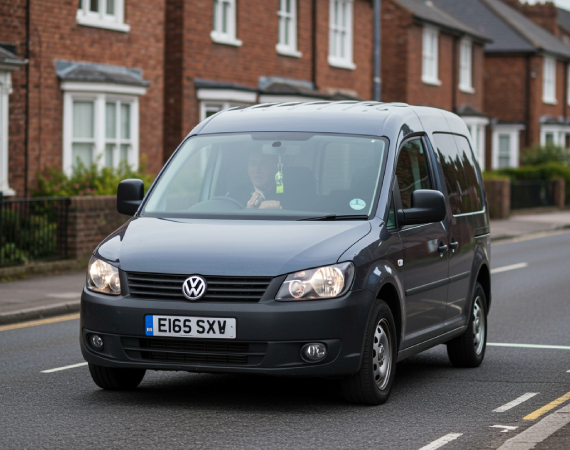
1. VW Caddy

The VW Caddy is one of the most popular micro camper base vehicles in the UK.

Why it’s cheaper to insure:

  • Low theft risk compared to larger campervans
  • Strong safety rating for its size
  • Widely available and low-cost replacement parts
  • Often driven short distances for leisure use

It is especially popular for weekend campers using removable beds and storage units, which keeps insurance costs lower.

VW Caddy

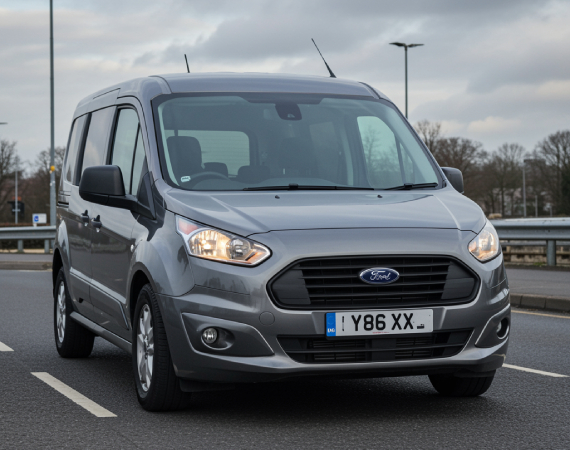
2. Ford Transit Connect

The Transit Connect offers the reliability of the larger Transit range but at a lower insurance cost.

Why it’s cheaper to insure:

  • Proven mechanical reliability
  • Easy and cheap repairs
  • Lower engine sizes than full Transit vans
  • Strong availability of parts across the UK

It suits micro campers with leisure batteries, fold-out beds and festival setups without the higher costs of full camper insurance.

Ford Transit Connect

3. Citroën Berlingo

The Berlingo is one of the cheapest micro vans to run and insure.

Why it’s cheaper to insure:

  • Lightweight body
  • Low repair bills
  • Smaller engines reduce risk ratings
  • Often stored at home rather than public storage yards

It is widely used for DIY micro camper builds on a tight budget.

Citroën Berlingo

4. Peugeot Partner

The Peugeot Partner shares the same base platform as the Berlingo, which helps keep costs down.

Why it’s cheaper to insure:

  • Simple engineering
  • Cheap accident repair costs
  • Strong parts availability
  • Lower annual mileage typical for leisure use

It’s popular with people building low-profile micro campers that still function as daily vehicles.

Peugeot Partner

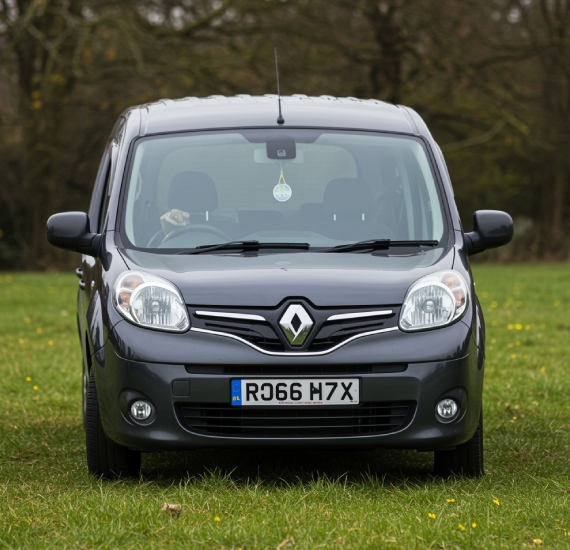
5. Renault Kangoo

The Kangoo is known for low running costs and low insurance premiums.

Why it’s cheaper to insure:

  • Small engine sizes
  • Light overall vehicle weight
  • Lower accident damage payouts
  • Often driven at low speeds on short trips

It works well for minimalist micro camper conversions with removable sleeping kits.

These vans make excellent base vehicles for people wanting low-cost micro camper setups.

Renault Kangoo

Who Should NOT Use Micro Camper Van Insurance?

Micro camper insurance is not suitable if you:

  • Live full time in your van
  • Rent the van out
  • Use it for courier or delivery work
  • Carry tools for business purposes
  • Carry passengers professionally
  • Have a heavily modified van with fixed electrics and gas

These uses require different types of cover.

Get Quotes

Common Mistakes That Invalidate Micro Camper Insurance

  • Not declaring leisure batteries or power supplies
  • Using fixed gas without safety certificates
  • Adding extra seats without legal approval
  • Letting someone drive who isn’t named on the policy
  • Underestimating the van’s value
  • Failing to update storage address

Avoiding these mistakes helps protect your cover.

Micro Camper Insurance Checklist (Before You Get a Quote)

  • V5C logbook
  • Photos of your micro camper interior
  • List of modifications
  • Storage address
  • Value of your camper
  • Driver licence details
  • Travel plans (UK or Europe)

Having these ready helps insurers give an exact price.

Not Sure Which Policy You Need?

If your micro camper is only partly converted, you can still insure it. Just provide photos and a clear description of your setup.

Compare micro camper van insurance quotes

FAQs About Micro Camper Van Insurance

Yes. Micro campers usually cost less to insure because they are smaller and have fewer fixed systems.

Yes. DIY conversions can be insured as long as all changes are declared.

Yes, but limits apply unless you list high-value items separately.

No. Most micro campers remain registered as standard vans.

Yes. Many insurers offer optional European cover.

Most providers offer breakdown and roadside assistance as optional extras.

Several UK van insurance providers and leisure vehicle specialists offer self-build micro camper policies. The easiest way to see who will cover your setup is by comparing multiple insurers at once, as acceptance varies by build quality and risk.

Provide full details of your conversion, upload photos, declare all modifications and compare specialist insurers. This gives you accurate pricing rather than estimates.

Van Insurance Provider

Page last updated on: 18/12/2025

Page reviewed by: Tim Bailey

4000+ reviews